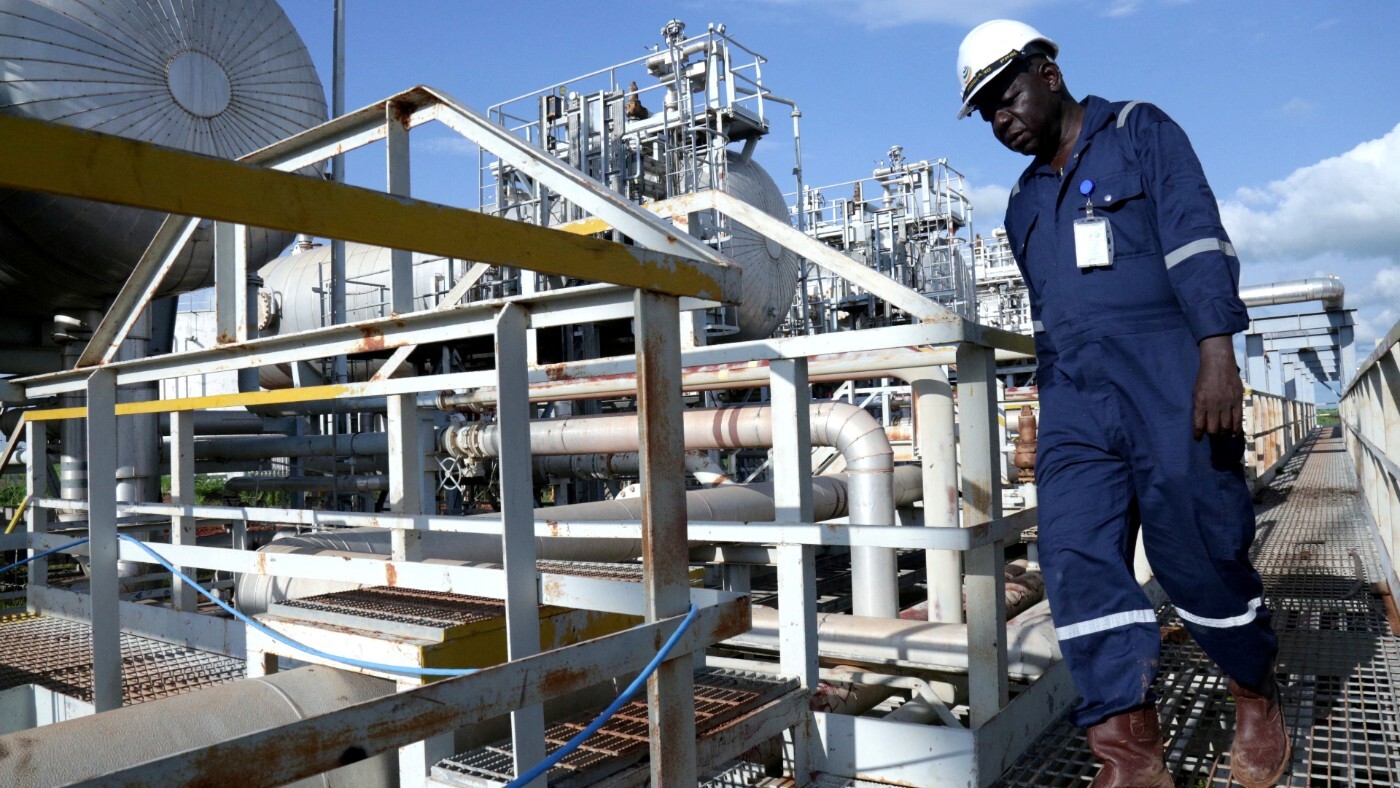
In a significant escalation of Sudan’s ongoing civil conflict, paramilitary Rapid Support Forces (RSF) have captured the nation’s largest oil field at Heglig, consolidating control over resource-rich southern territories previously held by the Sudanese Armed Forces (SAF). This strategic victory grants the RSF command over critical infrastructure including approximately 75 wells, processing stations, and a vital segment of the 1,600km Greater Nile Oil Pipeline that exports crude to international markets via Port Sudan.
The capture represents both military and economic transformation in the conflict. Militarily, it opens a corridor toward el-Obeid and potentially back to Khartoum, while economically it provides the RSF with substantial revenue streams through control of oil transfer nodes and refineries. Conflict analyst Emadeddin Badi notes this development enables the RSF to replicate the model of UAE-backed Libyan commander Khalifa Haftar, using oil infrastructure as bargaining leverage and military financing.
International dimensions complicate the situation, with the United Arab Emirates facing persistent allegations of supplying the RSF despite official denials. The involvement of South Sudanese forces further illustrates the conflict’s regional complexity, as the landlocked nation depends heavily on the pipeline for its oil exports. South Sudanese soldiers were documented facilitating the RSF’s takeover after the SAF’s 90th infantry brigade withdrew following negotiations with local groups.
The RSF’s advancement effectively bifurcates Sudan, with the army retaining northern, eastern and central regions while the RSF controls western and substantial southern territories. This division raises concerns about potential long-term partition, though analysts note key differences with Libya’s situation, particularly regarding coastal access and bureaucratic infrastructure.
Production at Heglig has been suspended following the takeover, with engineers evacuating to South Sudan. The facility previously processed approximately 130,000 barrels daily of South Sudanese crude alongside its own 40,000-barrel production, representing a crucial component of both nations’ economies that now falls under paramilitary control.