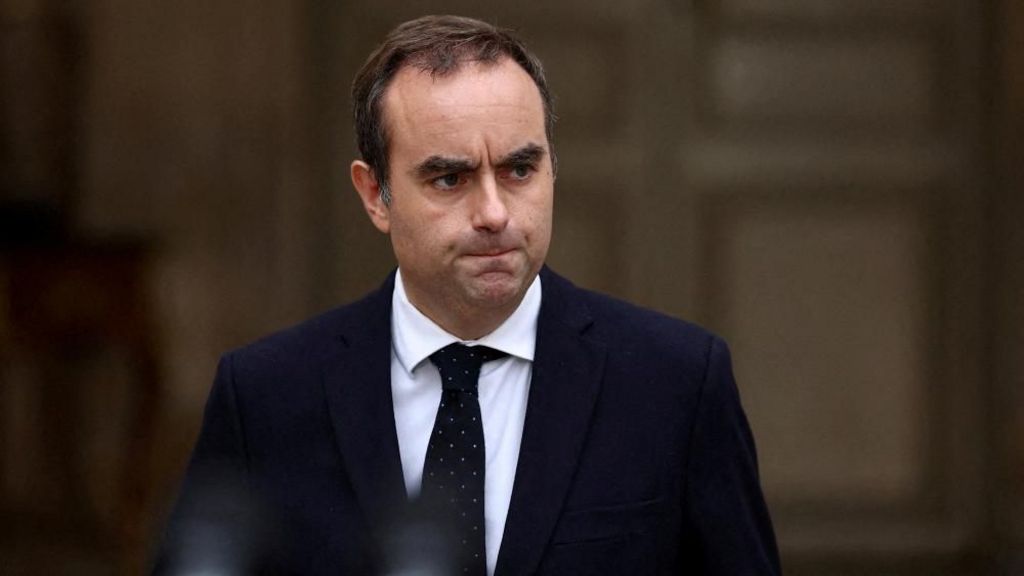
French Prime Minister Sebastien Lecornu confronts a pivotal political challenge as the National Assembly prepares to vote on the 2026 social security budget this Tuesday. The outcome will serve as a critical indicator for the government’s ability to pass subsequent financial legislation and could potentially undermine Lecornu’s leadership authority.
Appointed by President Emmanuel Macron in September, Lecornu has dedicated his premiership to navigating complex budget legislation through France’s divided parliament. The National Assembly, fractured since Macron’s June 2024 snap elections, remains split into three nearly equal blocs—center, left, and far-right—with none holding an outright majority.
In a strategic maneuver to secure passage, Lecornu has made significant concessions to the Socialist Party (PS), which holds approximately 70 seats. These include suspending Macron’s controversial pension reform that would raise the retirement age to 64 and renouncing the use of constitutional article 49-3 to bypass parliamentary approval. Socialist leaders Olivier Faure and Boris Vallaud have acknowledged Lecornu’s compromise efforts and are urging their deputies to support the budget.
However, these overtures to the left have risked alienating center-right allies, with prominent figures like former Prime Minister Edouard Philippe criticizing the bill’s inadequacy in addressing France’s deteriorating public finances. The parliamentary arithmetic remains exceptionally tight, with the far-right National Rally (140 seats), far-left France Unbowed (71 seats), and smaller left-wing factions (55 seats) all expected to reject the legislation.
France operates with two distinct budget laws: the social security budget covering healthcare and pensions, and the main budget encompassing all other government expenditures. Both have consistently run substantial deficits for years. If Tuesday’s vote fails, the government would likely implement emergency provisions to maintain operations using 2025 allocations starting January 1st.
Despite the high stakes, political observers suggest Lecornu is unlikely to resign immediately following a potential defeat. By voluntarily relinquishing the 49-3 option, the Prime Minister has strategically positioned parliament to bear responsibility should the budget legislation collapse.