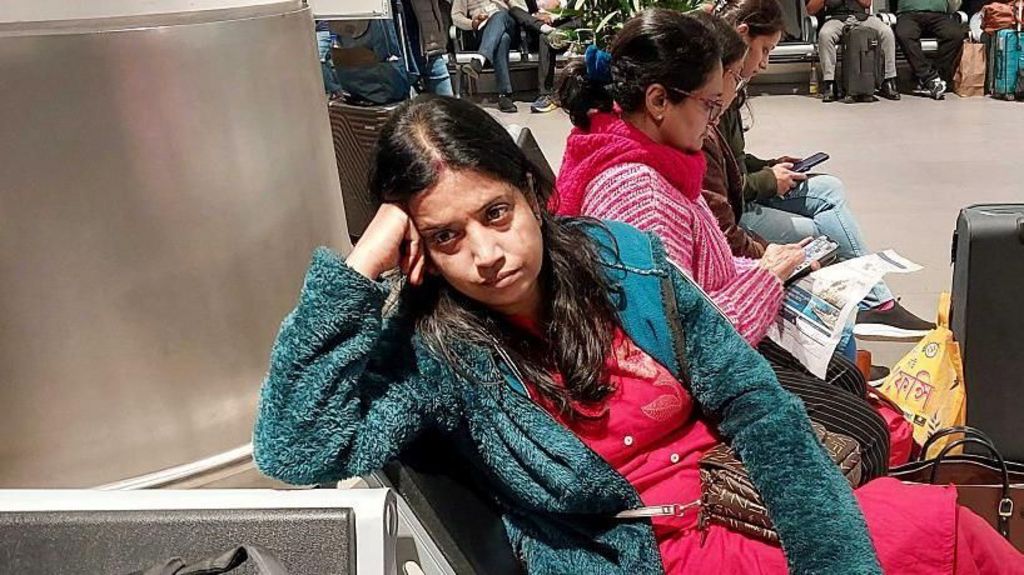
India’s aviation sector is reeling from one of its most severe operational crises in years, triggered by massive flight cancellations from the country’s largest carrier, IndiGo. The airline canceled over 1,600 flights on December 5th alone, stranding hundreds of thousands of passengers and disrupting critical life events including weddings, funerals, and examinations.
The crisis stems from IndiGo’s failure to adequately prepare for new crew rest regulations implemented by India’s Directorate General of Civil Aviation (DGCA). These regulations, introduced nearly two years ago to align with global safety standards, mandate longer weekly rest periods for pilots (increased from 36 to 48 hours) and stricter limits on nighttime landings (reduced from six to two). While competitors like Air India successfully implemented these changes, IndiGo admitted it couldn’t fully comply by the November deadline.
Aviation experts point to deeper systemic issues within the airline. Mark Martin, an industry analyst, questioned whether cost considerations prevented necessary hiring: ‘Did they do this because adopting the new rules would have required them to hire hundreds of new pilots and raised costs?’ The airline’s aggressive expansion into international routes may have further diverted management attention from compliance requirements.
The human impact has been devastating. Passengers like Manjuri, who was transporting her husband’s coffin for final rites, faced unimaginable hardships. The widespread disruptions forced some travelers to camp at airports for days while others missed crucial family events and professional commitments.
Financial repercussions are mounting. Moody’s ratings agency warned of significant revenue loss from cancellations, refunds, customer compensation, and potential regulatory penalties. IndiGo’s stock price has tumbled in Mumbai trading as investors anticipate increased operational costs under the new rules.
Despite securing a temporary exemption until February, the airline faces mounting criticism. The Airline Pilots Association of India condemned the exemption as undermining safety standards. Competitors including Air India and SpiceJet have capitalized on the situation by adding hundreds of flights to accommodate stranded passengers.
Industry veterans like GR Gopinath, founder of Air Deccan, attribute the crisis to monopolistic indifference stemming from IndiGo’s 60% market dominance. The carrier transports over 100 million passengers annually through its 2,000 daily flights.
With parliamentary discussions underway and the aviation minister threatening ‘very strict action,’ IndiGo’s reputation as India’s reliable low-cost carrier hangs in the balance. The DGCA has issued a show-cause notice citing ‘significant lapses in planning and oversight’ and reportedly demanded a 5% reduction in flight schedules.
Experts warn that recovery may take years, with lasting damage to the airline’s financial stability, safety reputation, and passenger trust. The crisis represents a pivotal moment for India’s aviation regulator to demonstrate enforcement authority while ensuring passenger safety remains paramount.