Military tensions between Thailand and Cambodia reached a dangerous new level on Monday as Thai fighter jets conducted aerial assaults along their shared border, marking a significant escalation in the ongoing territorial dispute. The Royal Thai Air Force confirmed deploying F-16 aircraft to strike what it identified as Cambodian fire-support positions, command centers, and logistical routes that allegedly threatened Thai sovereignty.
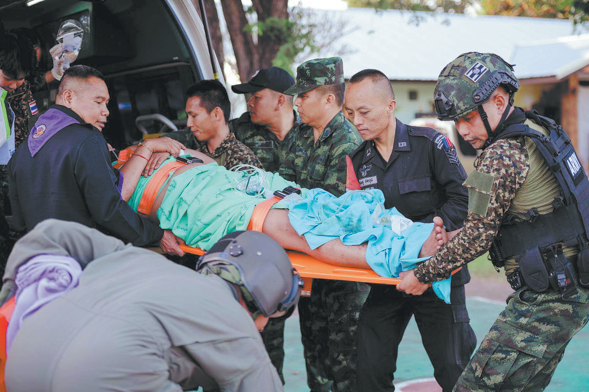
The aerial offensive follows weekend ground clashes in the Ubon Ratchathani Province that resulted in the death of at least one Thai soldier and multiple casualties on both sides. Thai military spokesperson Jackkrit Thammavichai asserted that Cambodia had mobilized heavy weaponry and repositioned combat units, necessitating what he described as ‘carefully executed defensive measures.’
Cambodia’s Defense Ministry vehemently denied these allegations, stating that their forces had not violated any ceasefire agreements and rejecting claims of heavy weapons deployment. According to reports from Agence France-Presse, the recent hostilities have claimed the lives of at least four Cambodian civilians, with Defense Ministry spokeswoman Maly Socheata accusing Thai forces of targeting non-combatants.
The humanitarian consequences are rapidly mounting, with approximately 400,000 residents evacuated across four Thai border provinces and the closure of hundreds of educational institutions. On the Cambodian side, 377 schools serving nearly 78,600 students have suspended operations indefinitely.
Thai Prime Minister Anutin Charnvirakul declared that military operations would continue ‘as necessary according to the situation,’ while Cambodian Senate President Hun Sen urged restraint among frontline troops. The economic implications are already causing concern among analysts, with Kiatnakin Phatra Securities economist Pipat Luengnaruemitchai warning of potential damage to tourism and trade networks.
Academic voices including Professor Puangthong Pawakapan of Chulalongkorn University have called for neutral observers to monitor the conflict and prevent further escalation, emphasizing that the violence ‘benefits no one—especially border communities and the long-term economic stability of both nations.’