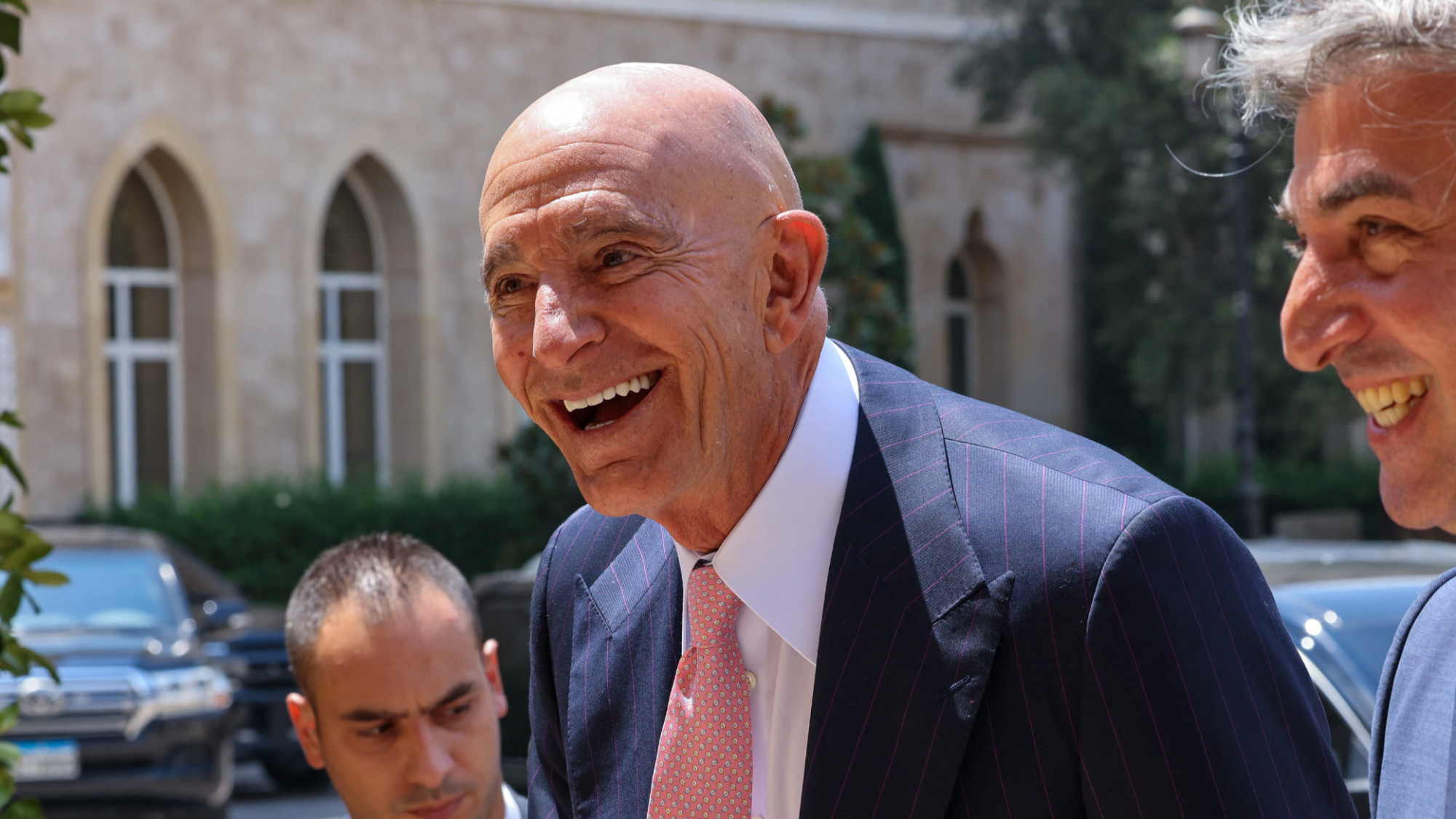
In a striking departure from conventional diplomatic rhetoric, US Special Envoy for Syria Tom Barrack has articulated a controversial vision for Middle Eastern governance during the Doha Forum. The billionaire diplomat asserted that Western-imposed democratic models have consistently failed in the region, while suggesting that benevolent monarchies have demonstrated greater effectiveness.
Barrack, appointed by former President Donald Trump, delivered his assessment during a panel discussion on Syria’s future. He characterized the post-Assad administration under President Ahmad al-Sharaa as achieving ‘epic’ and ‘heroic’ accomplishments since assuming power in December 2024. The envoy specifically criticized Western interventionist policies, stating that ‘almost every decision that the West has imposed on the region, rather than allowing it to evolve on its own, has been a mistake.’
Drawing from recent historical examples, Barrack noted that Western efforts in Libya, Iraq, and other nations have resulted in political paralysis rather than sustainable governance. He advocated for international support that empowers Syrians to establish their own sovereign government without external pressure or unrealistic timelines.
Regarding ongoing Syrian-Israeli border tensions, Barrack proposed resolving conflicts through incremental ‘baby steps’ rather than comprehensive imposed solutions. In a particularly provocative statement, he questioned Israel’s democratic credentials, suggesting that monarchical systems have proven more successful in the region despite democratic claims.
The envoy’s comments align with his unconventional diplomatic approach, having previously described himself as an ‘events-driven mercenary’ during an August interview. Barrack has consistently challenged established geopolitical narratives, including describing regional peace as ‘an illusion’ and questioning the relevance of Sykes-Picot established borders in contemporary Middle Eastern politics.