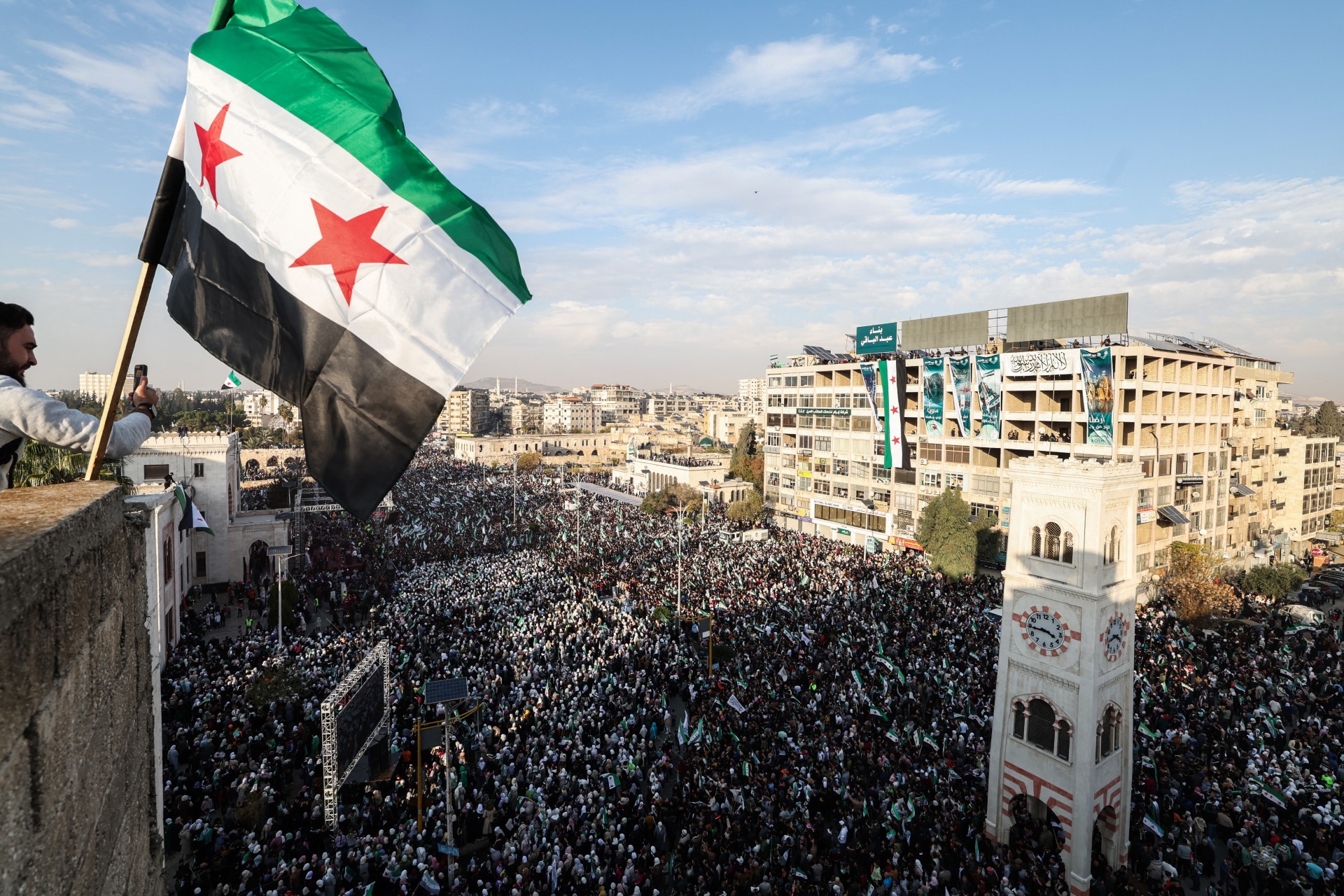
December 8, 2024, marked a seismic shift in Syrian history as Bashar al-Assad’s five-decade dynastic rule abruptly collapsed under a lightning rebel offensive. The overnight disappearance of his regime transformed Damascus from a surveillance state to a city of liberation, with Assad’s omnipresent portraits replaced by revolutionary martyrs’ memorials.
The initial euphoria saw prisoners emerging from notorious detention centers while citizens celebrated in streets once patrolled by leather-jacked security forces. Yet this victory remains bittersweet for families like that of content creator Abd al-Hadi Safi, whose brother vanished into Assad’s prison system in 2012. “We got rid of a tyrant, but without justice, this story isn’t finished,” Safi told Middle East Eye, echoing sentiments of thousands seeking accountability.
President Ahmad al-Sharaa’s transitional government faces monumental challenges in reconciling sectarian divisions that erupted violently throughout the year. Alawi communities suffered retaliatory massacres despite comprising only 10-15% of the population, while July’s Sweida province operations triggered catastrophic Druze-Bedouin violence that killed hundreds and required tribal peace agreements.
The Kurdish northeast presented different complications, with nominal reintegration agreements masking deep distrust between the Syrian Democratic Forces and Damascus. While Sharaa’s administration canceled millions of Assad-era travel bans and formed transitional justice committees, many victims’ families perceive continued impunity for former regime officials.
Internationally, Syria’s diplomatic transformation has been remarkable. Sharaa’s pragmatic approach—dismantling Assad’s captagon empire, confronting Hezbollah supply lines, and cooperating on counterterrorism—earned him an unprecedented Oval Office meeting and gradual sanctions relief. Analyst Kamal Alam notes: “Sharaa understood the previous regime never compromised and paid the price. He has been the opposite—flexible, pragmatic.”
One year into this transition, Syria stands between celebration and reckoning—having toppled a dictator but not yet built a fully just state from the ruins of his police regime.