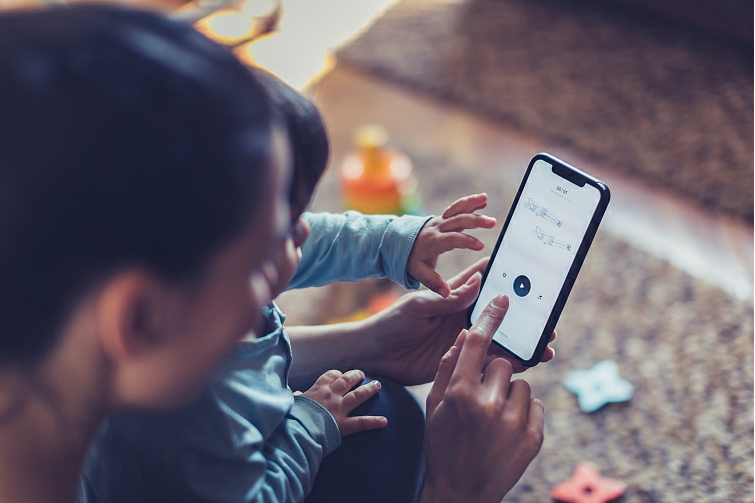
Chinese health and education authorities have unveiled comprehensive guidelines implementing a total prohibition of electronic screen exposure for children aged 0-3 years. This decisive measure forms part of an ambitious national initiative to safeguard children’s physiological ‘far-sight reserve’ and combat the escalating myopia epidemic at its developmental origins.
The joint policy directive, issued by the Ministry of Education, National Health Commission, and National Disease Control and Prevention Administration, highlights the critical importance of preserving natural hyperopic conditions in early childhood. Normally present at birth (approximately 250-300 degrees), this far-sight reserve gradually diminishes through adolescence, typically stabilizing into normal vision between ages 12-15. Premature depletion serves as a primary indicator for myopia development.
Alarming statistics reveal myopia incidence among Chinese schoolchildren reached 51.9% in 2022, with high school students exceeding 80% prevalence. This follows the ministry’s 2021 classroom smartphone prohibition, now expanded to encompass earlier developmental stages.
Age-specific interventions include:
• 0-3 years: Complete screen avoidance, minimum 10 hours daily sleep, and maximized outdoor sunlight exposure
• 3-6 years: Outdoor activity prioritization with minimal screen contact, replacing academic preparation with visual-tracking games
• School-aged children: Mandatory two-hour daily outdoor activities and development-appropriate exercise plans
Healthcare institutions must conduct regular refractive screenings at ages 2-6, while schools perform biannual vision assessments with standardized monitoring of far-sight reserve trends. Children identified with deficient reserve will receive targeted interventions and specialist referrals.
The guidelines emphasize parental responsibility through role modeling—reducing personal screen usage during family time—and creating vision-healthy environments with ergonomic furniture and enforced 20-20-20 rules (20-second distance-viewing breaks every 20 minutes). Educational institutions will assign physical education homework and utilize parent-teacher meetings to disseminate scientific eye care knowledge, supported by enhanced training for school medical staff.
This multi-faceted approach establishes collaborative protection mechanisms engaging families, educational institutions, medical facilities, and communities in preserving juvenile ocular health from infancy through adolescence.