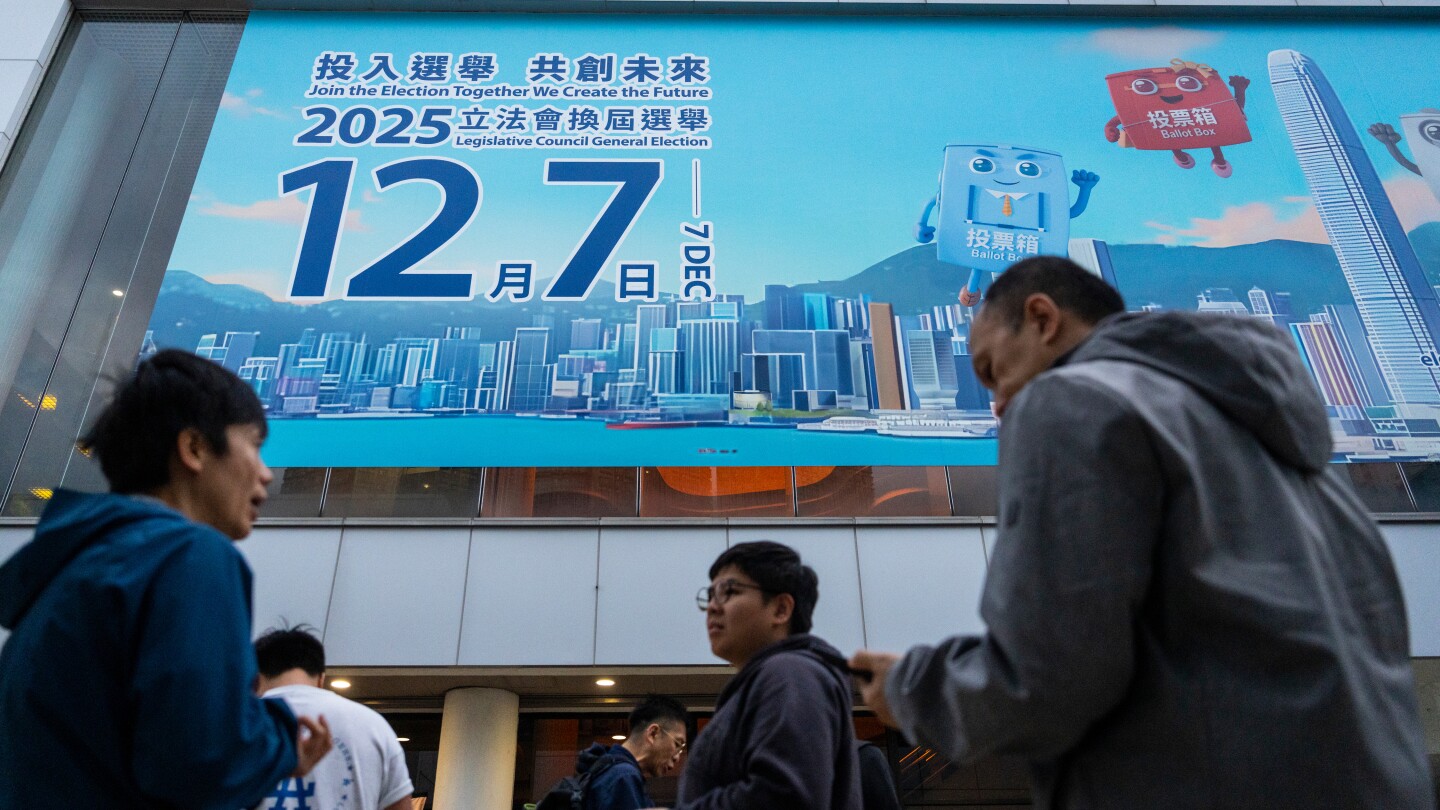
Hong Kong conducted its second legislative election under a revamped political framework on Sunday, with voter participation rates emerging as a critical indicator of public sentiment. The electoral process unfolded against the somber backdrop of a catastrophic apartment fire that claimed 159 lives less than two weeks prior, raising substantial questions about governmental accountability and oversight mechanisms.
The electoral system, fundamentally restructured in 2021, has effectively marginalized pro-democracy opposition voices through stringent candidate vetting processes requiring demonstrated loyalty to Beijing. Of the Legislative Council’s 90 seats, only 20 are now directly elected by the general populace, while 40 are selected by a pro-Beijing election committee and 30 represent functional constituencies from major industries.
Chief Executive John Lee actively encouraged voter participation, framing the election as instrumental for advancing policy reforms and addressing the recent tragedy. Despite government efforts to boost turnout through extended voting hours, additional polling stations, and transportation subsidies, analysts projected continued voter apathy. The previous 2021 election saw participation plummet to approximately 30%, and many anticipated further suppression due to public discontent over the government’s handling of the fire incident.
Campaign activities remained suspended throughout the final days preceding the election as a mark of respect for fire victims. Authorities simultaneously pursued legal action against individuals accused of encouraging election boycotts or invalid voting. The devastating fire has exposed systemic deficiencies in building maintenance regulations and alleged bid-rigging practices, placing additional scrutiny on the government’s governance capabilities.
Political observers noted that depressed turnout could indicate dissatisfaction even among traditional government supporters, potentially reflecting broader concerns about accountability and institutional effectiveness within the territory’s political framework.