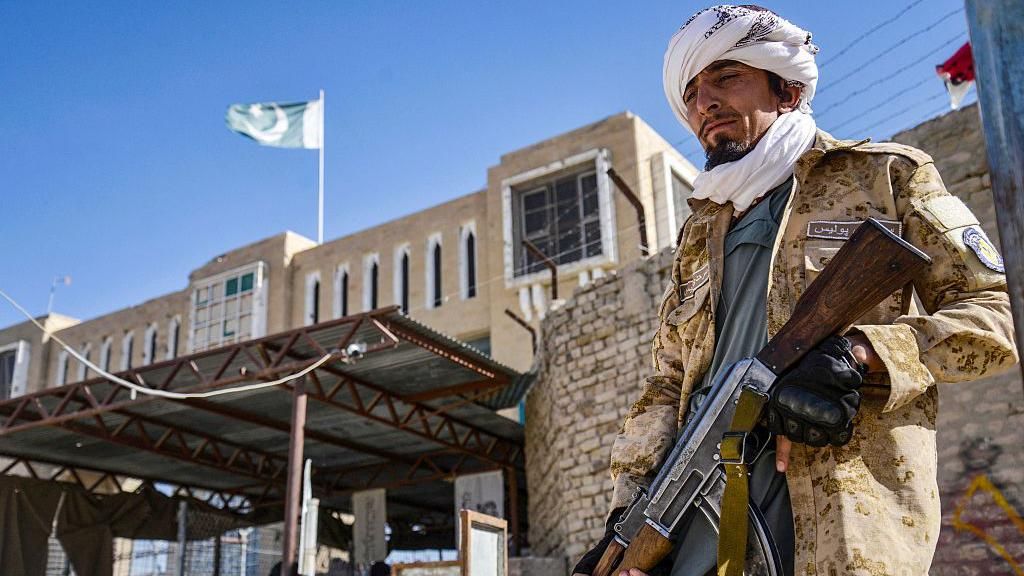
A fragile ceasefire between Pakistan and Afghanistan’s Taliban government has shattered with renewed cross-border hostilities erupting near the strategic frontier city of Spin Boldak. The overnight exchange of fire marks the latest escalation in tensions along the volatile 1,600-mile Durand Line demarcation.
Local medical authorities in Kandahar confirmed receiving four casualties from the border skirmishes, though the total death toll remains unverified. Eyewitness accounts describe panicked civilians fleeing Spin Boldak and adjacent towns, with footage capturing families evacuating via vehicles and on foot amid the resurgence of violence.
Both nations engaged in mutual recriminations through official channels. Mosharraf Zaidi, spokesperson for Pakistani Prime Minister Shehbaz Sharif, denounced what he termed “unprovoked firing” by Taliban forces, asserting that Pakistan’s military had delivered “an immediate, befitting & intense response” to protect territorial sovereignty.
Conversely, Taliban representatives countered that Pakistani forces had “initiated attacks,” compelling their defensive retaliation. This mutual blame game underscores the deep-seated distrust between the neighboring nations, despite recent diplomatic interventions.
The clashes occur scarcely two months after Qatar and Turkey brokered a ceasefire agreement that had temporarily halted the most severe fighting since the Taliban’s 2021 ascension to power. The breakdown of this arrangement highlights the precarious nature of border security arrangements.
Underlying the immediate violence are persistent allegations from Islamabad that Taliban-ruled Afghanistan provides sanctuary to militant groups operating against Pakistani interests. Kabul consistently denies these charges, instead attributing them to Pakistan’s “own security failures.”
The timing proves particularly diplomatically sensitive, coming just days after both parties concluded inconclusive fourth-round peace talks in Saudi Arabia. While sources indicate both sides had nominally committed to maintaining the ceasefire during these negotiations, the practical implementation appears to have collapsed amidst ongoing strategic disagreements.