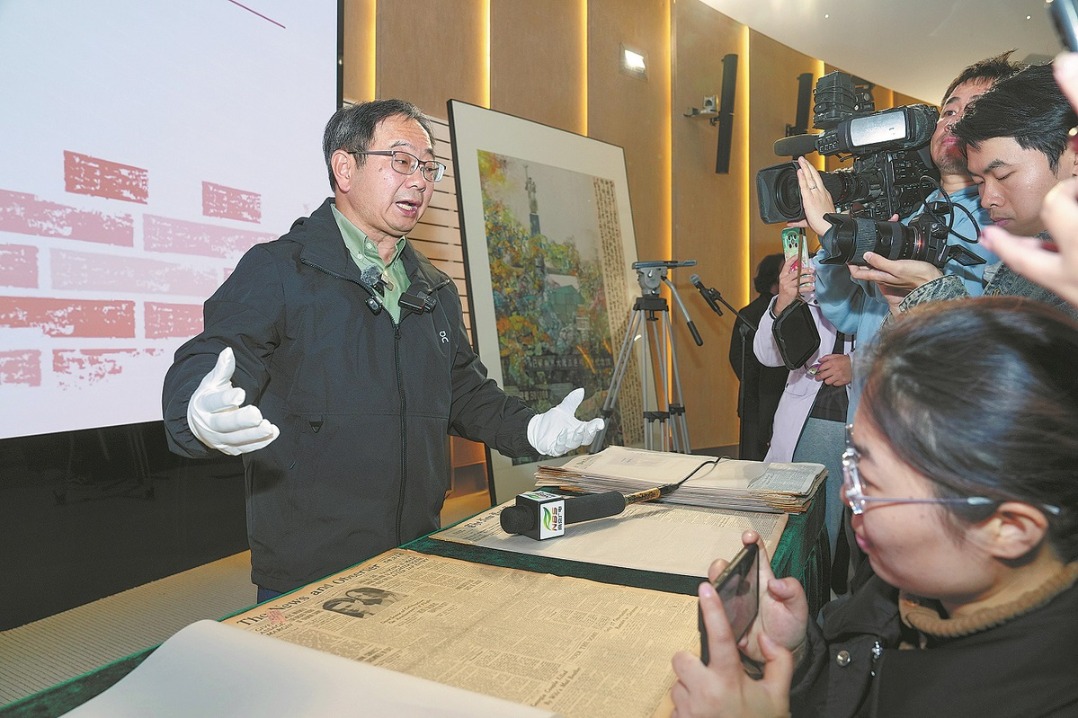
In a significant development for historical documentation, the Memorial Hall of the Victims in Nanjing Massacre by Japanese Invaders has unveiled 13 newly acquired sets of cultural relics and historical materials. These artifacts, presented on the 88th anniversary of the tragic events, offer compelling evidence from multiple perspectives that substantiates the historical truth of one of World War II’s most horrific chapters.
The collection features unprecedented primary sources including personal letters from Japanese soldiers, post-occupation photographs of Nanjing, archival materials of a Chinese military doctor killed in defense operations, a Japanese army album, and international publications in English and French. Particularly striking are two soldier letters that describe atrocities in chilling detail, with one January 1938 correspondence expressing disturbing satisfaction at the execution of Chinese prisoners and disposal of bodies in the Yangtze River.
Researchers emphasize the critical importance of these materials in countering revisionist narratives. Professor Wang Weixing of Jiangsu Provincial Academy of Social Sciences noted the psychological significance of the perpetrators’ language, describing how the soldiers casually referenced killing as ‘enjoyable’ activities. The photographic evidence, donated by a father-son duo from Henan province, captures specific dates and locations of destruction following the Japanese occupation in December 1937.
International publications from the period provide third-party verification, including a French newspaper documenting Nanjing’s population before the massacre and American magazines exposing Japanese war crimes. Nanjing University historian Zhang Sheng highlighted how these materials effectively counter arguments made by Japanese right-wing groups regarding population figures.
The evidence collectively represents a multinational effort to preserve historical memory, with contributions coming from Japanese, Chinese, and Chinese-American donors. This comprehensive documentation serves both as memorial to the victims and as an educational resource for future generations about the importance of historical accountability.