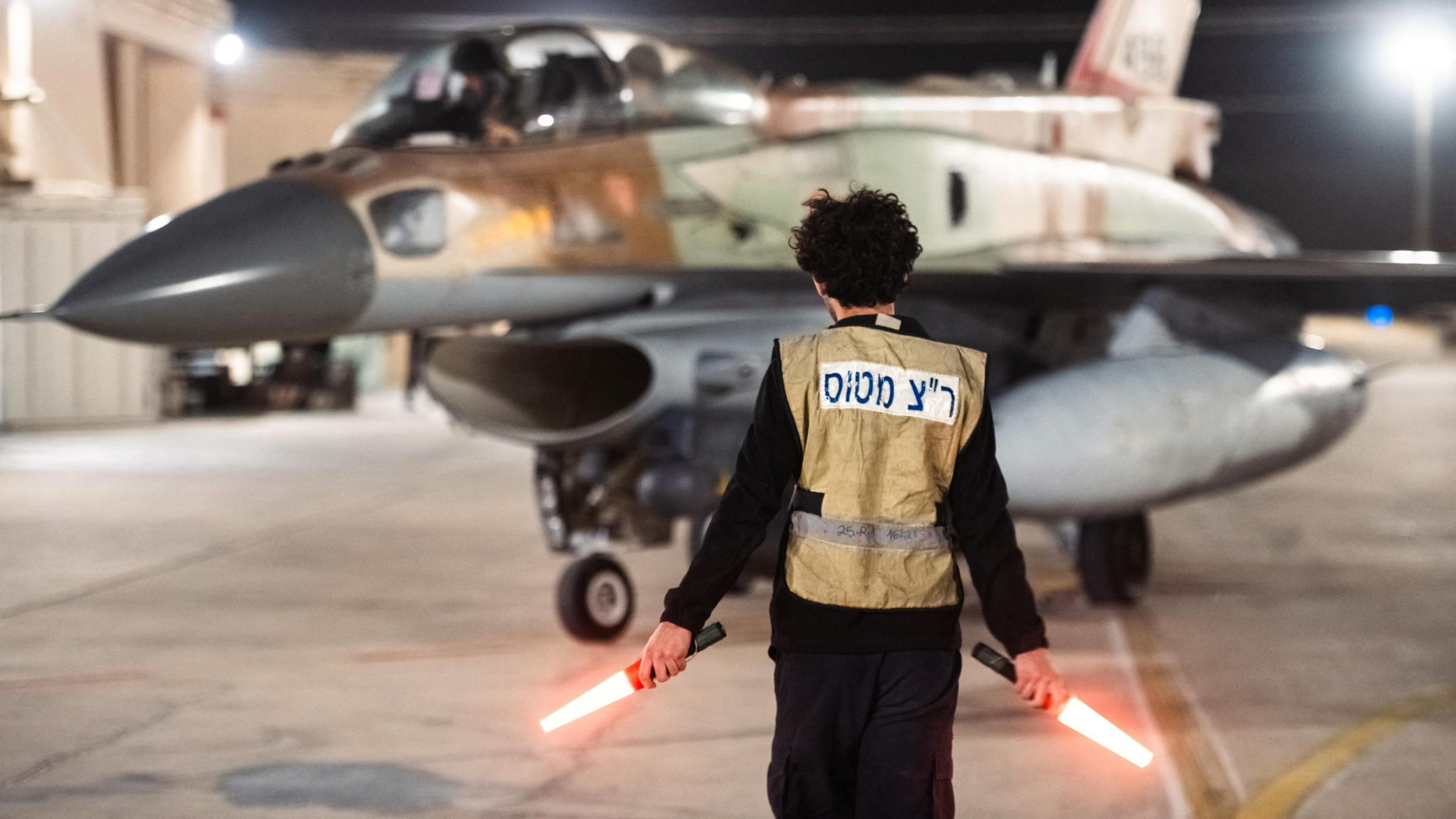
Former Iranian President Hassan Rouhani has issued a stark warning regarding Iran’s national security vulnerabilities, emphasizing that the nation’s airspace has become dangerously exposed following recent regional conflicts. With sixteen years of experience as secretary of the Supreme National Security Council, Rouhani criticized current administration officials for underestimating Iran’s defense shortcomings, particularly highlighting how easily Israeli aircraft can penetrate Iranian airspace.
Rouhani asserted that Iran’s neighboring countries—including Iraq, Syria, Lebanon, and Jordan—have airspace effectively controlled by the United States and Israel, leaving Iran without genuine deterrence capabilities. He advocated for strengthened regional alliances, stating that helping neighboring nations achieve independence ultimately benefits Iran’s security interests through shared risks and common objectives.
This security alert emerges alongside significant domestic controversies. Iranian police recently conducted a raid on a private villa in Lavasan, north of Tehran, detaining over twenty individuals including seven prominent actors. Charges included illegal assembly, public indecency, and alcohol-related offenses. Legal experts have condemned the operation as violating both Iranian law and religious principles, with media outlets comparing the incident to the restrictive early post-revolution years.
Simultaneously, the Masoud Pezeshkian administration has implemented a controversial fuel price increase policy, triggering concerns about potential social unrest. Effective December 12, the new policy maintains a government allocation of 60 liters at 15,000 rials and 100 liters at 30,000 rials monthly, with additional fuel priced at 50,000 rials per liter. While energy experts acknowledge the economic necessity of aligning prices with market rates, the move remains sensitive given that the 2019 fuel protests resulted in hundreds of casualties.
Regionally, diplomatic activity has intensified with simultaneous visits by Saudi Deputy Foreign Minister Saud bin Mohammed al-Sati and Turkish Foreign Minister Hakan Fidan to Tehran. International relations analysts interpret these visits as reflecting growing regional concerns about Israel’s expanding influence. Experts suggest that despite historical rivalries, both Saudi Arabia and Turkey recognize the threat posed by Israel and may seek limited cooperation with Iran to establish regional balance and prevent further conflict escalation.