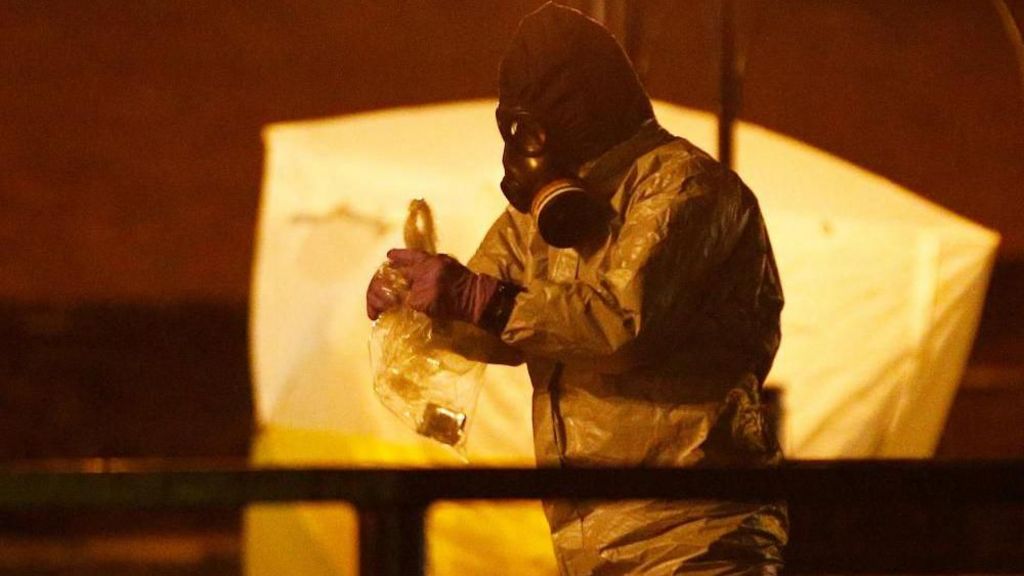
A startling emergency call received by MI6 headquarters on March 4, 2018, triggered one of Britain’s most significant intelligence crises in recent history. The notification that former Russian double agent Sergei Skripal had been poisoned on UK soil sent shockwaves through British intelligence agencies, raising profound questions about security protocols for defectors that continue to resonate today.
Skripal’s complex history reveals why his case presented particular challenges. Recruited by MI6 during the 1990s, he was eventually captured by Russian authorities before being exchanged in a 2010 spy swap. Upon his arrival in Britain, intelligence assessments deemed his ongoing risk level relatively low—a judgment senior officials later acknowledged as gravely mistaken. As a ‘settled defector,’ Skripal maintained autonomy over his security arrangements, explicitly rejecting offers of a new identity and life reconstruction that might have prevented the attack.
The recently published report indicates that while no specific intelligence predicted the nerve agent assault, authorities failed to conduct updated, regular risk evaluations despite escalating tensions with Russia. The 2014 Ukraine crisis significantly darkened UK-Russia relations, and Skripal’s continued consultations with European intelligence services potentially elevated his visibility as a target. Russian President Vladimir Putin, himself a former intelligence officer with frequently expressed animosity toward traitors, was unlikely to forget such betrayals—nor was the GRU, Russia’s military intelligence agency where Skripal had previously served.
The deployment of Novichok nerve agent represented more than mere assassination attempt; it constituted a deliberate demonstration of state power. Intelligence experts widely interpret the attack as a calculated message to potential defectors: betrayal of Russian secrets to Western agencies would result in relentless pursuit, regardless of time elapsed or collateral damage to family members.
British intelligence responded rapidly to the incident, immediately enhancing protective measures for at-risk defectors nationwide. Investigation confirmed that a GRU unit executed the poisoning through a short-term mission team that entered Britain, deployed the toxin via a modified perfume bottle (which subsequently caused the death of Dawn Sturgess), and exfiltrated successfully. While many operatives were identified within months—with Bellingcat and other investigative outlets exposing numerous GRU operations and false identities—the fundamental question remains: could such an operation recur?
Post-Salisbury security improvements, compounded by responses to Russia’s 2022 Ukraine invasion, have substantially pressured Russian intelligence operations across Europe. Mass diplomatic expulsions and enhanced information-sharing have complicated traditional spycraft. In adaptation, Russian agencies increasingly employ proxy operatives—as evidenced by the recent conviction of Bulgaria-based individuals hired from Moscow to conduct surveillance and discuss kidnappings of Russian exiles in Britain.
This new model utilizes disposable, deniable agents who may fail frequently but require different detection methodologies than traditional espionage. Counter Terrorism Police report a fivefold increase in hostile state threat mitigation since Salisbury, noting Russia’s expanded use of low-level criminals for arson and other attacks.
Contemporary Russian intelligence operations now engage in persistent low-level conflict with Britain and European nations, emphasizing surveillance and sabotage despite reduced capability for high-profile nerve agent attacks. While improved awareness and defenses have diminished certain risks, the evolving proxy-based threat paradigm presents novel challenges that demand continuous intelligence adaptation.