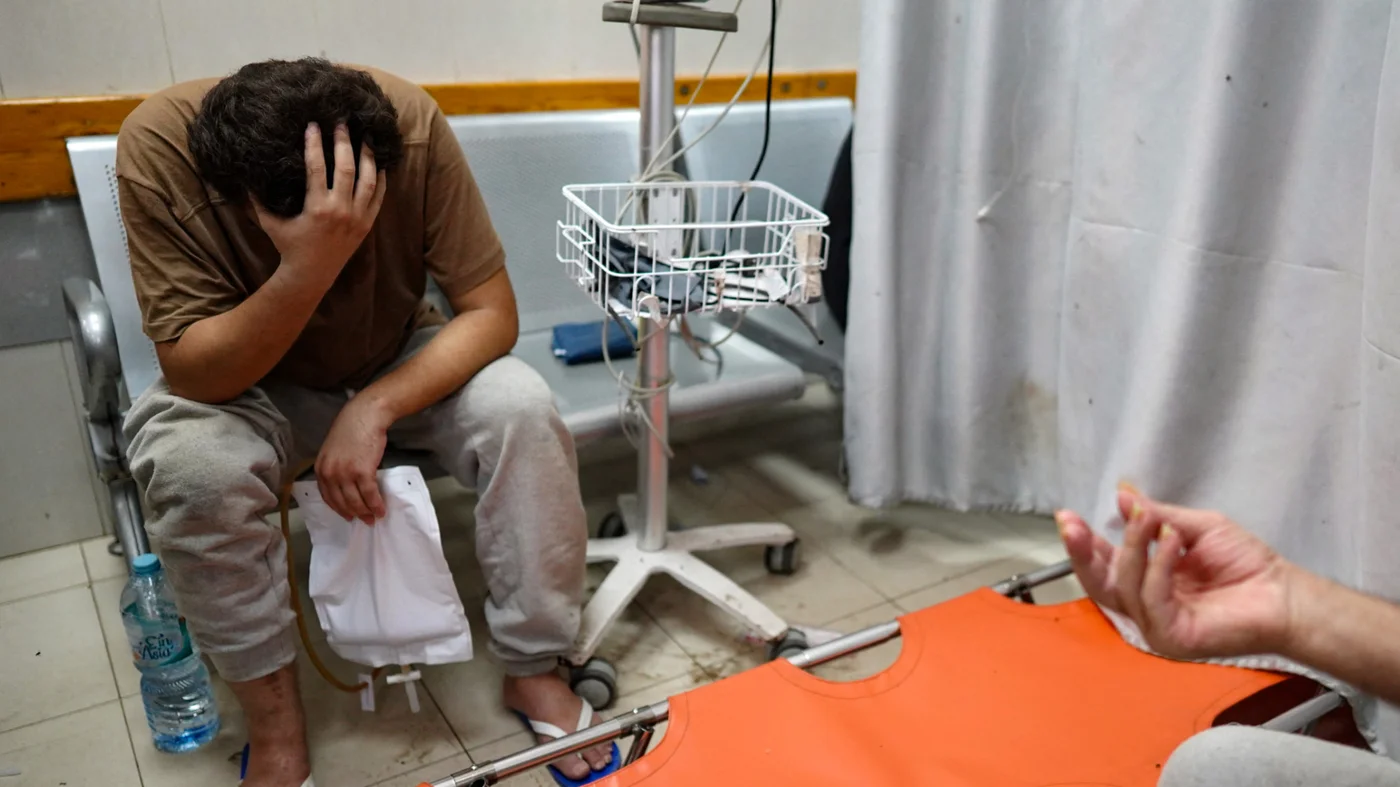
A damning report from Israel’s own Public Defender’s Office has exposed a humanitarian crisis within the nation’s detention facilities, documenting systematic violence, extreme malnutrition, and severe overcrowding affecting Palestinian prisoners. The investigation, conducted through multiple facility visits in 2023 and 2024, reveals conditions that have drastically deteriorated since October 2023.
The report details how the Israel Prison Service (IPS) implemented a separate, nutritionally inadequate menu specifically for ‘security prisoners’—a designation predominantly applied to Palestinians. This has resulted in widespread malnourishment, with released detainees describing meals consisting of minuscule portions of undercooked rice shared among several inmates for an entire day. The Public Defender’s Office documented severe hunger manifesting in dramatic weight loss, extreme weakness, and frequent fainting spells among the prison population.
Despite a Supreme Court ruling in September mandating the provision of adequate food, the report indicates conditions have failed to improve, with some prisoners alleging further reductions in rations. Representatives observed clear signs of severe malnutrition and dehydration during visits, noting many inmates appeared dangerously emaciated.
The investigation further uncovered widespread and systematic violence perpetrated by prison staff. Detainees reported frequent, unprovoked physical abuse during cell searches, beatings during transfers between wings, and assaults while being transported to court appearances. The Public Defender emphasized this violence was not precipitated by events requiring the use of force.
These findings align with extensive documentation by media and human rights groups of systemic abuse and torture of Palestinians in Israeli custody, which has surged to unprecedented levels. Since October 2023, at least 100 prisoner deaths have been reported under these conditions, occurring amid widespread accounts of physical abuse, sexual assault, medical neglect, and starvation. Classified Israeli data indicates civilians constitute the majority of these fatalities. The circumstances surrounding these deaths remain largely concealed by prison authorities, and no legal proceedings or accountability measures have been initiated to date.
The crisis has been exacerbated by a massive arrest campaign following the outbreak of the Gaza war in 2023, which pushed the prison system into extreme overcrowding. The IPS detainee population surged by 3,000 within just two months, reaching approximately 23,000 inmates by late 2024—far exceeding the system’s official capacity of 14,500. Approximately 90% of Palestinian prisoners were confined to living spaces smaller than three square meters, with thousands deprived of beds. Inmates were typically held for 23 hours daily in dark, poorly ventilated cells with inadequate sanitation, sleeping on mattresses on the floor.
Basic hygiene has become nearly impossible to maintain due to critical shortages of toilet paper, soap, and towels. Cells were stripped of all personal belongings except for a Quran. The report also noted outbreaks of scabies in several Palestinian wings that reached near-epidemic proportions.
According to Palestinian prisoner-monitoring groups, these deplorable conditions have persisted even after the recent Gaza ceasefire. While at least 9,250 Palestinians are currently held in Israeli jails, the actual figure is believed to be significantly higher, as Israel withholds information on hundreds abducted from Gaza. Nearly half of all Palestinian detainees are held without charge or trial under indefinitely renewable administrative detention orders.