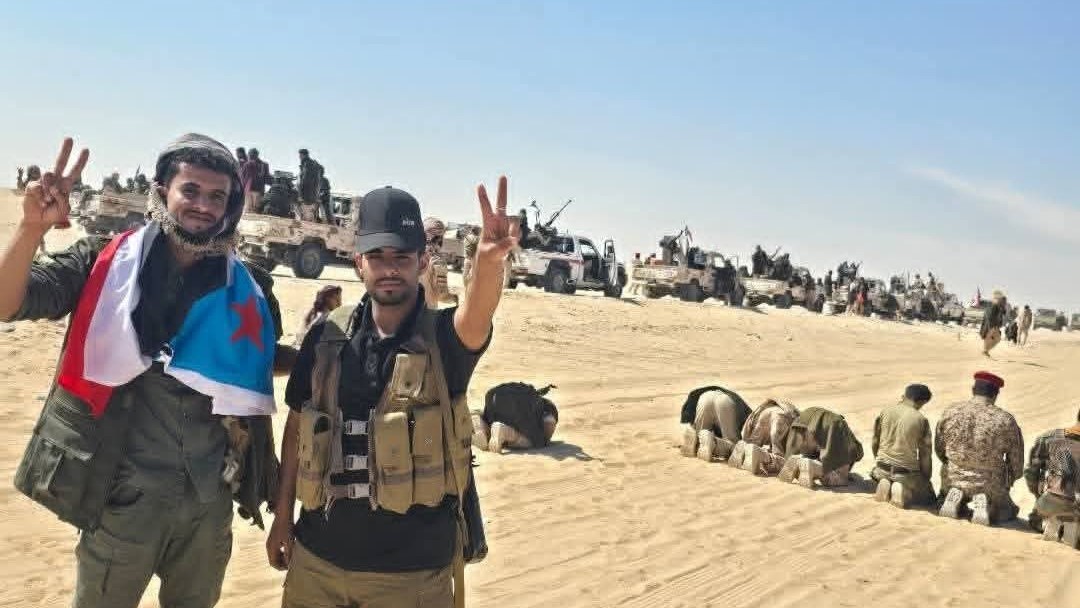
A significant geopolitical shift is underway in southeastern Yemen as forces aligned with the Southern Transitional Council (STC) have successfully captured extensive territories, including the strategically vital Hadhramaut province. The military operation, codenamed “The Promising Future,” has resulted in the hoisting of the historic South Yemen flag across administrative buildings and critical infrastructure points throughout the region.
The STC’s military wing, known as the Hadrami Elite Forces, executed a rapid offensive that secured control of Seiyun, one of Hadhramaut’s largest urban centers, along with its presidential palace and international airport. This development effectively places approximately one-third of Yemen’s territory under STC authority, including regions containing 80 percent of the nation’s modest oil reserves.
The campaign encountered initial resistance from the Saudi-backed Hadramout Tribal Alliance, which briefly seized PetroMasila, Yemen’s largest oil company facility, in a preemptive maneuver. However, STC forces subsequently reclaimed the installation, compelling tribal forces to withdraw following Saudi-mediated negotiations that prevented direct confrontation between Saudi and UAE-backed factions.
Symbolically significant actions have accompanied the territorial gains, with armed personnel replacing Yemeni national flags with the South Yemen banner at strategic locations including the Shahn border crossing with Oman. This flag, featuring a light blue chevron and red star representing the former Yemeni Socialist Party, hadn’t flown officially since Yemeni unification in 1990.
Analysts indicate these developments substantially enhance the STC’s position within Yemen’s complex political landscape. The council now commands crucial supply routes and logistical corridors connecting to anti-Houthi forces in Marib, potentially altering the balance of power within the Presidential Leadership Council that has governed southern Yemen amid internal divisions.
The STC’s foreign ministry justified its military campaign by characterizing Hadhramaut as a “haven for terrorism” and breeding ground for extremist organizations including ISIS and al-Qaeda. Open-source intelligence reports indicate the separatists employed UAE-supplied military equipment during their offensive, including Chinese-manufactured artillery systems and Emirati-produced armored vehicles, underscoring the complex international dimensions of Yemen’s multilayered conflict.