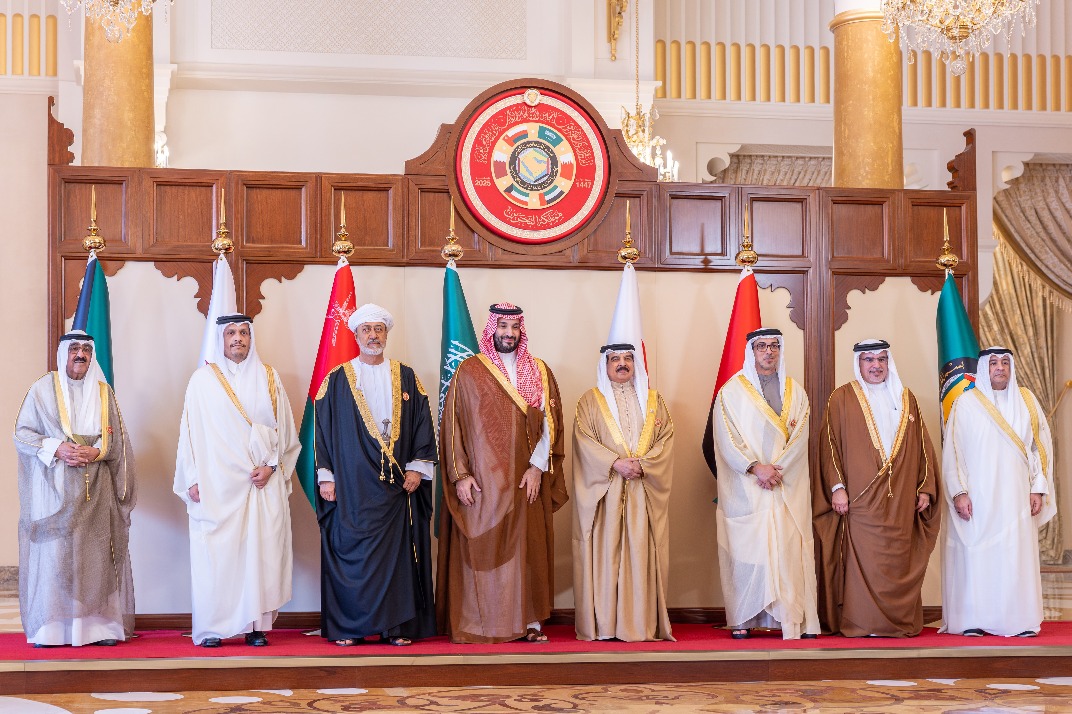
At the 46th session of the Gulf Cooperation Council’s Supreme Council, regional leaders delivered a powerful collective stance on the Israeli-Palestinian conflict during their December 3 meeting in Bahrain. Convened at Al Sakhir Palace under the presidency of Bahrain’s King Hamad bin Isa Al Khalifa, the high-level gathering produced a strongly worded communique that condemned Israel’s military actions while reaffirming support for Palestinian self-determination.
The Council explicitly held Israel ‘fully responsible for its ongoing violations and attacks against the Gaza Strip,’ citing the devastating civilian death toll that has disproportionately affected women and children. The statement rejected any justification portraying Israeli operations as self-defense and demanded immediate troop withdrawal from occupied territories.
Beyond condemnation, the GCC leadership articulated a clear vision for Palestinian rights, emphasizing the ‘legitimate rights of the Palestinian people to establish their independent state’ and warning against any attempts to undermine these inalienable rights. The communique specifically rejected displacement efforts in Gaza and expressed concern over demographic changes in Jerusalem, calling for protection of Islamic holy sites.
The timing of the summit proved strategically significant, occurring just one day after the UN General Assembly adopted resolutions demanding Israeli withdrawal from occupied Palestinian territories and Syria’s Golan Heights. The GCC explicitly endorsed US-brokered ceasefire efforts and outcomes from the Sharm El Sheikh Peace Summit while maintaining criticism of specific Israeli policies.
Regional security concerns also featured prominently in discussions. GCC Secretary-General Jasem Mohamed Albudaiwi referenced two ‘painful incidents’ that demonstrated Gulf unity: Iranian missile attacks targeting a US base in Qatar in June, and what he described as ‘brutal Israeli aggression’ during Qatari mediation efforts in September that resulted in casualties.
The Council further condemned Israeli attacks on Iranian nuclear facilities, noting the potential regional endangerment. Former Bahraini parliament member Jasim Husain observed that this condemnation would likely please Iranian officials while reaffirming the GCC’s commitment to peaceful conflict resolution.
The meeting occurred amid heightened tensions surrounding the Rafah Crossing, with Israel announcing plans for limited openings exclusively for Gaza resident exits to Egypt—a move that raised depopulation concerns. Egyptian officials subsequently denied coordination with Israel on this matter, highlighting the complex diplomatic landscape surrounding humanitarian access issues.