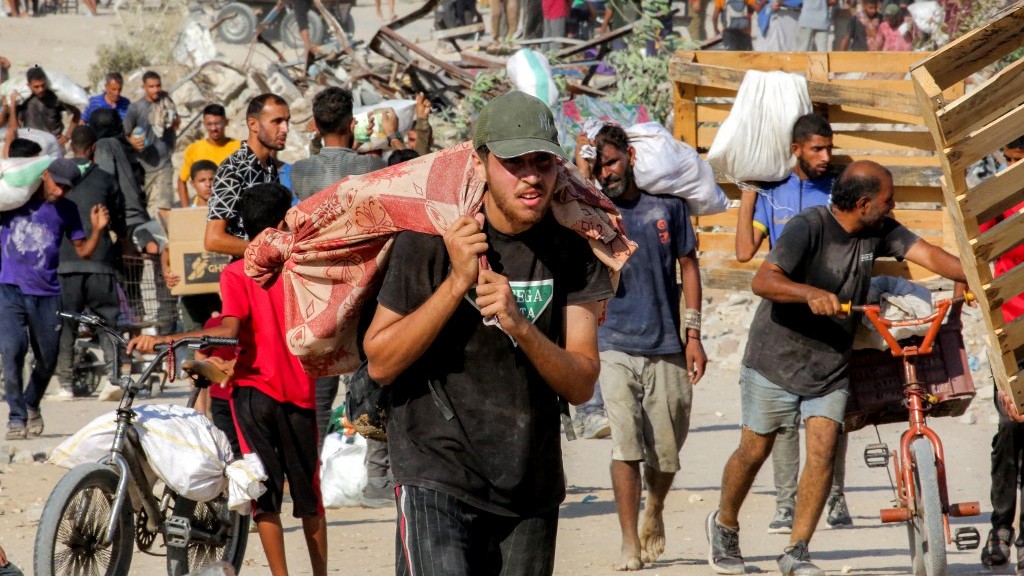
A comprehensive CNN investigation has uncovered disturbing evidence of Israeli soldiers using bulldozers to dispose of Palestinians killed while attempting to access humanitarian aid near the Zikim crossing into northern Gaza. The remains were reportedly pushed into shallow, unmarked graves or left exposed for extended periods in areas deemed too dangerous for recovery operations.
The investigation, which analyzed hundreds of videos, photographs, satellite imagery, and eyewitness accounts, reveals a pattern of mishandling the dead that international legal experts indicate violates humanitarian law. Testimonies from aid truck drivers, civil defense workers, and former Israeli military personnel describe recurring scenes of decomposing bodies being bulldozed into sand with no effort toward identification or proper burial.
Multiple videos geolocated to the Zikim area show the aftermath of shootings targeting Palestinian aid seekers. Footage from June depicts partially buried bodies surrounding an overturned aid truck, while September recordings capture Palestinians fleeing under heavy fire while carrying sacks of flour. Audio forensic analysis confirmed gunfire originating from approximately 340 meters away—corresponding to the distance of an identified Israeli military position.
Eyewitness accounts describe horrific conditions, with one civil defense worker reporting: ‘The bodies we recovered were decomposed, they had clearly been there for a while, there were signs that dogs had eaten parts of them.’ Another aid driver characterized the area as ‘like the Bermuda Triangle – no one knows what’s happening in that area.’
The investigation further reveals that this practice appears systemic across Gaza. An Israeli military whistleblower described how nine unarmed Palestinians’ bodies were left to rot near his outpost in early 2024, with commanders ordering bulldozers to cover them with sand. Another former officer confirmed receiving no protocols for handling casualties, leading to ad-hoc decisions to use bulldozers for makeshift burials.
Satellite imagery shows persistent bulldozing activity around the crossing from mid-June until its closure on September 12, with some operations having no clear operational purpose beyond moving soil and debris. International humanitarian law explicitly requires conflict parties to protect the dignity of the dead, facilitate identification, and allow for proper burial—obligations that legal experts say are being violated by these practices.