In a significant strategic move, the United Kingdom and Norway have formalized a comprehensive defense pact aimed at safeguarding critical undersea infrastructure from growing Russian naval activities. The agreement, signed at RAF Lossiemouth in northern Scotland, establishes a joint fleet operation between the two NATO allies specifically designed to monitor and deter Russian submarine operations in the North Atlantic.
The Lunna House Agreement—named after the World War Two Norwegian resistance base in the Shetland Isles—comes amid a documented 30% increase in Russian vessel sightings in UK waters over the past two years. British officials express particular concern about the vulnerability of undersea data cables and energy pipelines, which form the backbone of Britain’s communications and energy networks.
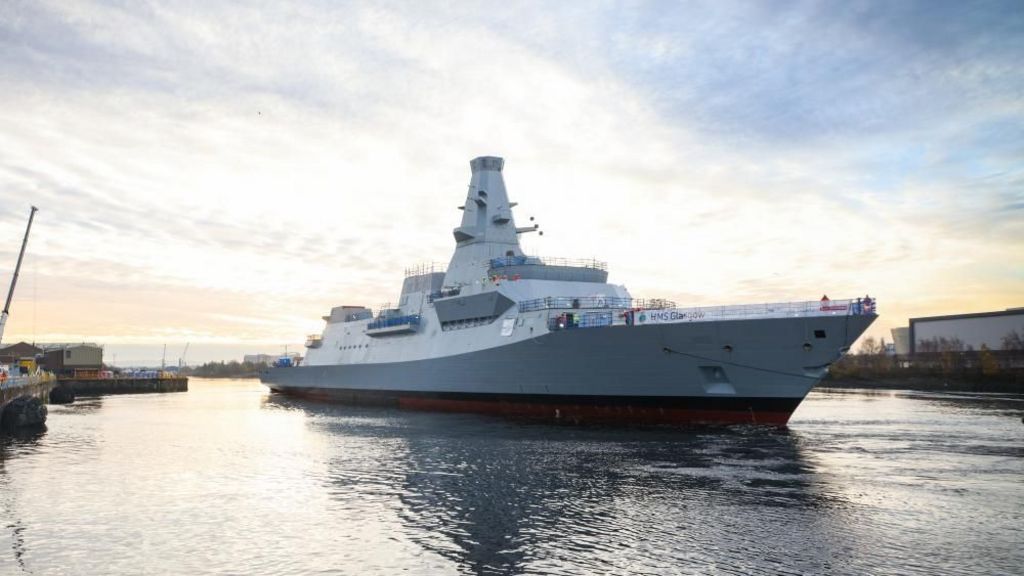
The collaborative fleet will comprise at least 13 advanced anti-submarine warfare vessels, including at least five Norwegian ships and the Royal Navy’s new Type-26 frigates. These warships will patrol the critical waters between Greenland, Iceland, and the United Kingdom—a region known as the GIUK Gap that serves as a strategic chokepoint for Russian naval movements.
Prime Minister Keir Starmer hailed the partnership as “historic,” emphasizing its role in strengthening collective security. The agreement extends beyond joint patrols to include comprehensive military cooperation: shared war gaming exercises, deployment of UK-built Sting Ray torpedoes, training of Royal Marines in Norwegian sub-zero conditions, and technological collaboration on uncrewed mine hunting systems.
Notably, the Royal Navy will integrate advanced Norwegian Naval Strike Missiles capable of neutralizing enemy vessels at ranges exceeding 100 miles. This enhancement addresses recent parliamentary concerns about UK over-reliance on American defense resources.
The pact responds to heightened anxieties following multiple incidents involving Russian vessels, including the spy ship Yantar, which has been accused of targeting RAF aircraft with lasers and suspected of mapping undersea infrastructure. While Russia maintains that Yantar serves as an oceanic research vessel, Western intelligence agencies regard it as a significant threat to transatlantic security.
This bilateral agreement builds upon a £10 billion warship deal signed in September and represents a concrete NATO response to evolving undersea threats in the aftermath of Russia’s invasion of Ukraine.