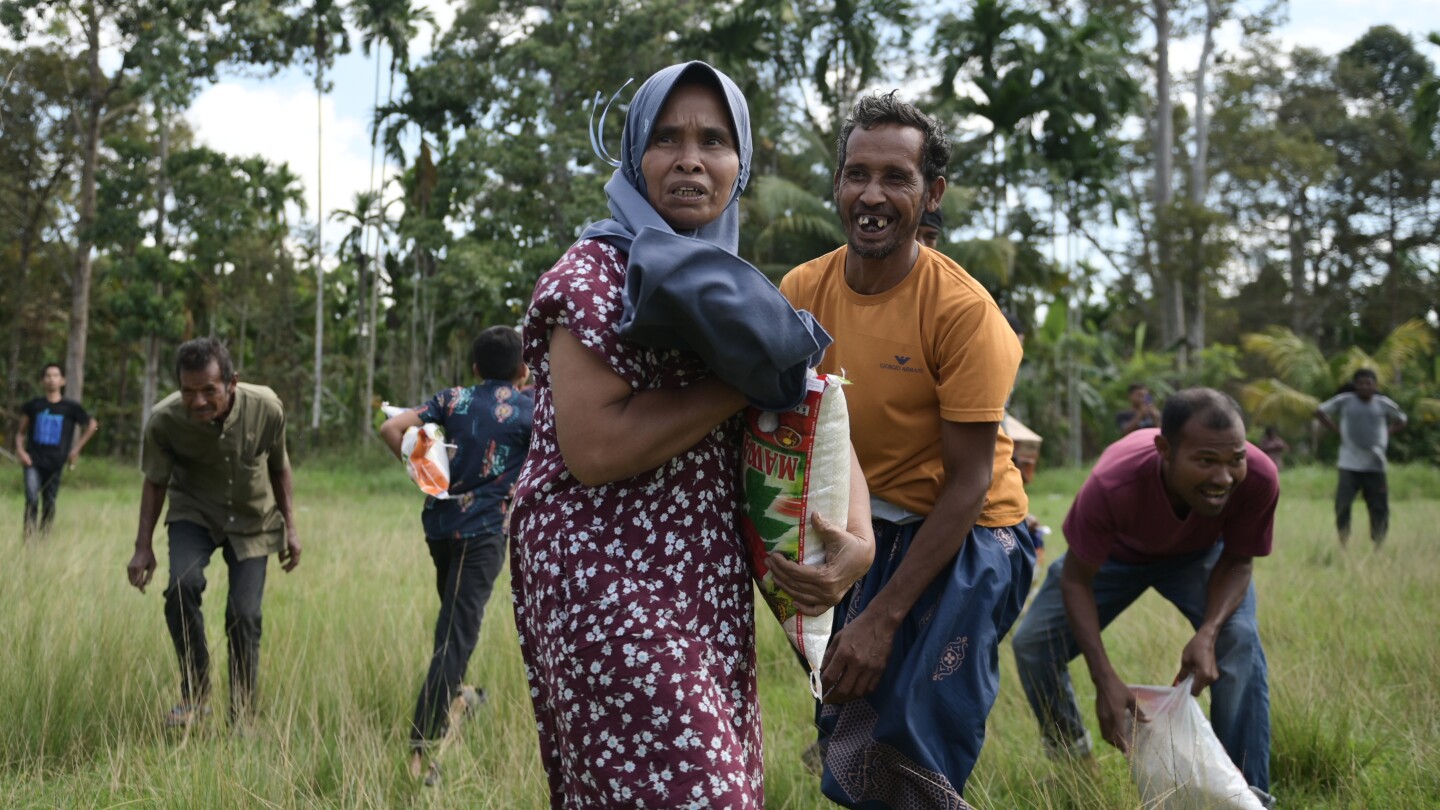
Environmental experts are pointing to decades of systematic deforestation as a critical factor exacerbating last week’s catastrophic flooding across Southeast Asia, where the death toll has now exceeded 1,500 people. The disaster has left hundreds missing and thousands struggling with severe shortages of food and clean water in isolated regions.
In Indonesia, where 837 fatalities have been confirmed, environmental organizations have documented alarming forest loss patterns. WALHI, Indonesia’s leading environmental advocacy group, revealed that over 240,000 hectares of primary forest vanished in 2024 alone. Global Forest Watch further quantified the long-term devastation, reporting that flood-affected provinces have lost approximately 19,600 square kilometers of forest since 2000—an area exceeding the size of New Jersey.
Eyewitness accounts from Padang describe massive quantities of neatly cut timber scattered across beaches and flood zones, suggesting widespread illegal logging operations rather than natural tree displacement. “These were clean, neatly cut pieces of wood—they looked like the result of illegal logging,” observed Ria Wati, a 38-year-old resident.
The ecological crisis has prompted significant government response. President Prabowo Subianto has pledged comprehensive policy reforms following his visit to devastated areas, emphasizing that “protecting our forests is crucial.” Environment Minister Hanif Faisol Nurofiq has launched investigations into eight companies suspected of environmental violations that may have worsened the disaster, with lawmakers calling for permit revocations.
As rescue operations continue across Indonesia, Sri Lanka (479 deaths), and Thailand (185 deaths), the region faces not only immediate humanitarian challenges but also mounting pressure to address the underlying environmental degradation that turned severe weather into a catastrophic event.