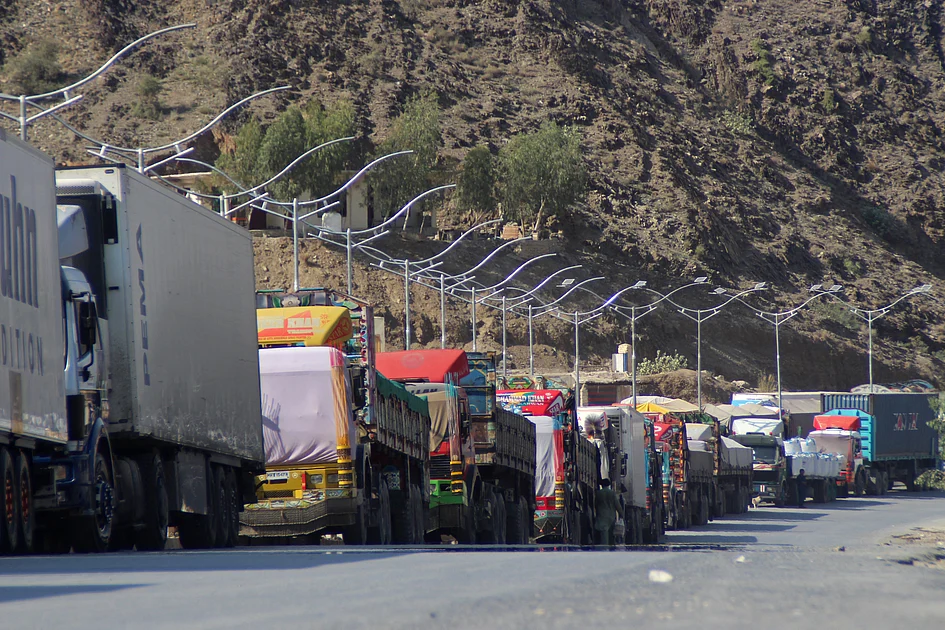
In a significant humanitarian gesture, Pakistan has authorized the United Nations to transport essential supplies into Afghanistan through a temporary border opening. This marks the first partial reopening since October’s deadly cross-border clashes severely strained relations between the neighboring nations.
The approval came through a formal exception to Pakistan’s border closure policy, specifically for UN humanitarian containers. According to anonymous government officials, this limited authorization covers critical supplies including food provisions, medicinal products, medical equipment, and other health and education-related essentials.
The aid delivery will be implemented through a structured three-phase process, though specific timelines for the initial phase remain undisclosed. A United Nations representative confirmed the arrangement, indicating readiness to commence operations once logistical details are finalized.
However, uncertainty persists on the Afghan side. Authorities in Spin Boldak, the Afghan border city near the crucial Chaman crossing, reported no official notification regarding the humanitarian corridor and confirmed the border gate remains closed.
The border closure, initiated on October 12 following lethal cross-border exchanges and a subsequent fragile ceasefire, has created substantial economic hardship. The Pakistan-Afghanistan Joint Chamber of Commerce and Industry estimates losses exceeding $100 million on both sides, with approximately 25,000 border region workers affected by the trade suspension.
Pakistan emphasized that this authorization constitutes a conditional humanitarian exception rather than a full border reopening. Official statements clarify that general trade, immigration, and Afghan Transit Trade arrangements remain suspended indefinitely. The decision reflects ongoing tensions stemming from Islamabad’s allegations that Taliban authorities harbor militants conducting cross-border attacks—claims consistently denied by Afghanistan’s government.
As Afghanistan’s largest trading partner, Pakistan normally supplies crucial commodities including rice, pharmaceuticals, and raw materials while absorbing nearly half of Afghan exports, according to World Bank data. This humanitarian corridor represents a critical lifeline for a nation facing severe economic and humanitarian challenges.