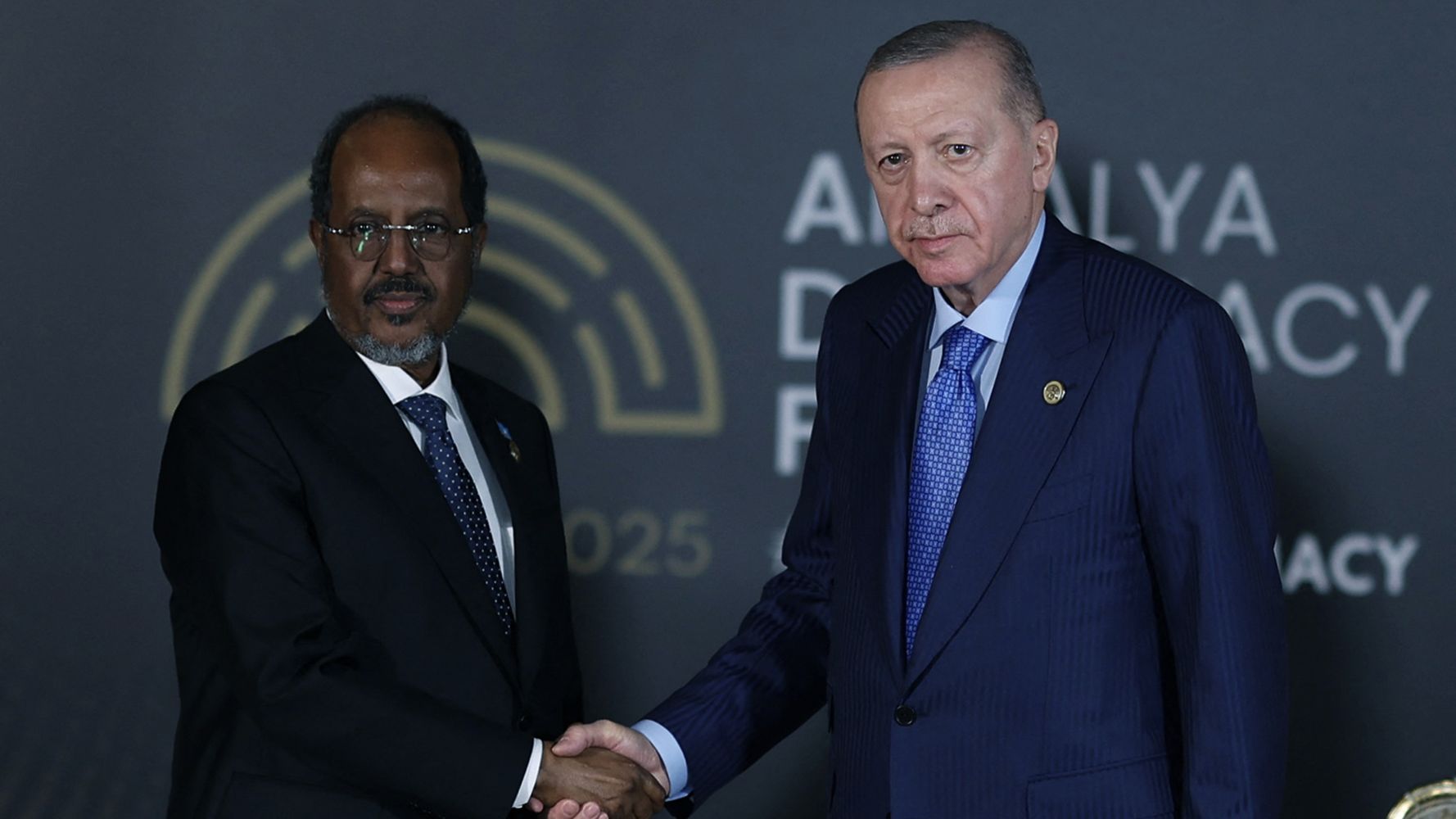
The Republic of Turkey has formally announced its strategic ambition to commence offshore hydrocarbon drilling operations in Somali maritime territories by 2026. This development follows the completion of an extensive seismic survey conducted by the research vessel Oruc Reis, which meticulously analyzed three designated zones encompassing 15,000 square kilometers in total during its ten-month mission.
Energy Minister Alparslan Bayraktar disclosed to press members on Wednesday that the comprehensive data acquisition phase has concluded. Preliminary interpretations of the seismic data suggest promising subsurface formations, with a full analytical report scheduled for official release in January 2025. The minister outlined the subsequent phase, indicating that Turkey will deploy its newly acquired fleet of advanced drilling vessels to undertake complex operations in ultra-deep waters reaching depths of approximately 3,000 meters.
This ambitious energy venture is not without significant challenges. Minister Bayraktar explicitly acknowledged the dual hurdles of substantial infrastructural deficits and persistent security concerns within the region. The absence of basic access roads to onshore sites necessitates complete infrastructure development before extraction can begin. Security protocols already implemented during the seismic survey, which included naval frigate escorts for the Oruc Reis, will be further enhanced for drilling operations.
The Turkey-Somalia bilateral agreement encompasses both offshore and onshore energy exploration rights. While offshore drilling presents technological challenges due to extreme depths, onshore operations face logistical obstacles. A Somali official source confirmed that infrastructure development tenders will be issued imminently to ensure road access is established prior to the 2026 operational timeline.
Geological assessments by international agencies, including the U.S. Energy Information Administration, estimate Somalia’s potential hydrocarbon reserves could exceed 30 billion barrels of oil equivalent. However, realizing this potential requires monumental investment estimates ranging from $500 million for initial exploration to several billion dollars for full field development.
This energy partnership forms part of Turkey’s broader strategic engagement with Somalia dating back to 2011. Ankara has provided over $1 billion in humanitarian assistance, constructed its largest global embassy in Mogadishu, operates critical infrastructure including the airport and seaport, maintains a significant military training facility (Turksom), and has professionally trained approximately one-third of Somalia’s national armed forces.