In a significant strategic shift, Turkey is poised to enter the United States energy market through direct investment in natural gas production and exploration. The announcement was made by Turkish Energy Minister Alparslan Bayraktar, outlining a comprehensive plan to secure the nation’s energy future and establish itself as a pivotal gas supplier for Southern Europe.
The cornerstone of this strategy involves a massive procurement deal: Turkey is set to receive 1,500 liquefied natural gas (LNG) cargoes from the United States over the coming decade and a half. Minister Bayraktar emphasized that this move is designed to ‘hedge our position on gas supply and to build the entire value chain,’ necessitating upstream investments in the US market.
Advanced negotiations are already underway with American energy giants, including Chevron and ExxonMobil. Bayraktar indicated that formal agreements involving Turkish Petroleum could be finalized and announced within the next month. This builds upon existing cooperation with US-based Continental Resources on unconventional production techniques like hydraulic fracturing (fracking).
Beyond mere import, Turkey’s ambition is to become a key energy conduit for Europe. A primary focus is on overcoming the bottleneck at the Bulgarian interconnection, which currently has a limited capacity of 3.5 billion cubic meters (BCM). Ankara aims to at least double this capacity, with an ultimate goal of achieving a maximum export capacity of 10 BCM to the southeastern European market, which includes Ukraine.
This European strategy was a central topic during Ukrainian President Volodymyr Zelenskyy’s recent visit to Turkey. Discussions centered on utilizing Ukraine’s vast underground gas storage facilities. The concept involves purchasing and storing gas during lower-priced summer months for consumption in the winter. Collaborative efforts between Turkey’s BOTAŞ and Ukraine’s Naftogaz are exploring viable solutions, with similar talks ongoing with Greece.
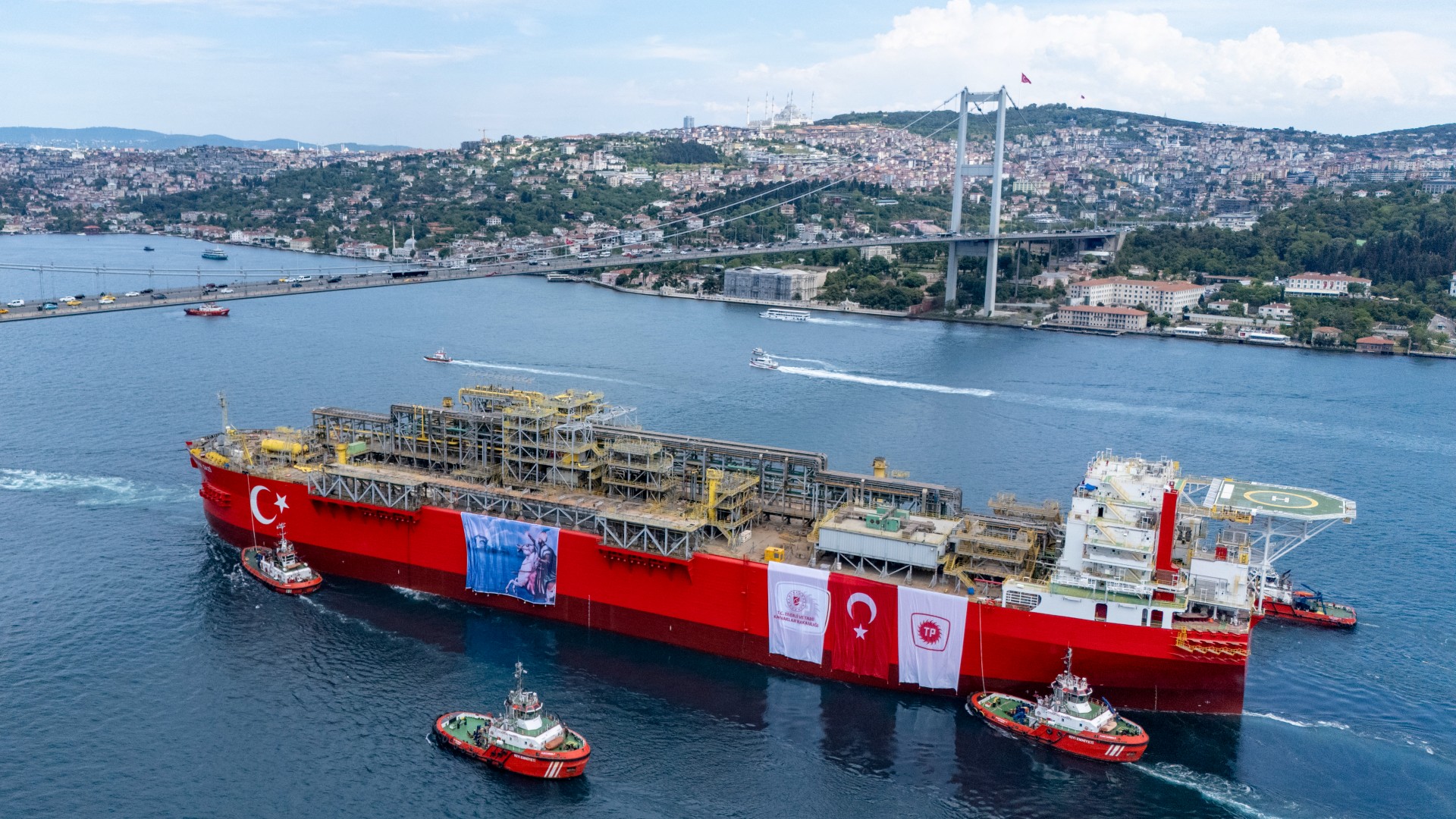
Highlighting its infrastructural advantage, Turkey boasts a substantial regasification capacity of 32 BCM per year. Minister Bayraktar projected an excess capacity of 10-15 BCM next year, far surpassing Greece’s capabilities. To further cement this position, Turkey plans to expand its fleet of Floating Storage Regasification Units (FSRUs) from three to five in the coming years.
In a move that underscores its new role as an energy intermediary, Turkey is also considering leasing its surplus FSRU capacity to other nations. Countries like Egypt and potentially Morocco could leverage Turkish infrastructure to facilitate their own seasonal LNG purchases, solidifying Ankara’s position as a critical node in the global energy landscape.