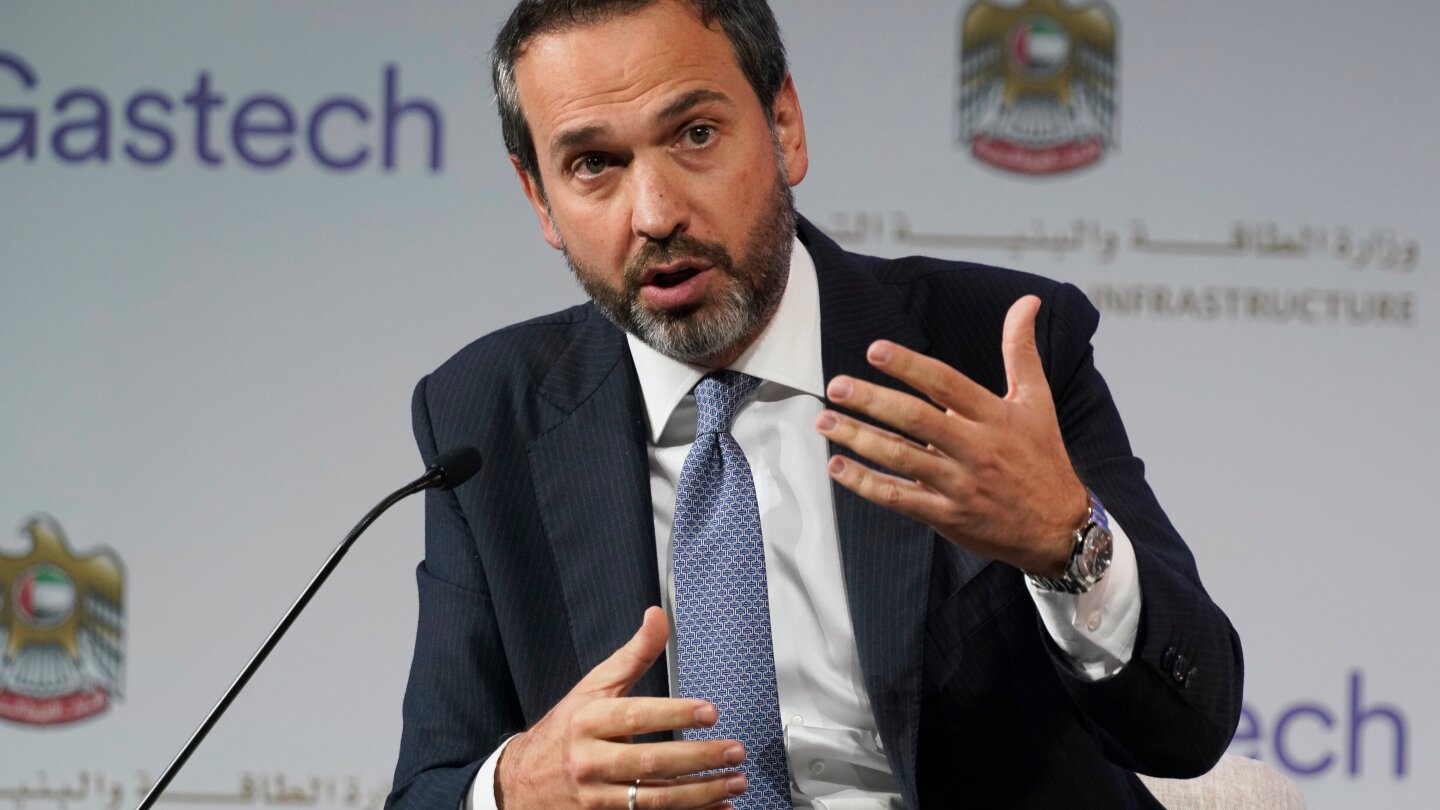
ISTANBUL — Turkish Energy Minister Alparslan Bayraktar has issued an urgent appeal for safeguarding critical energy infrastructure in the Black Sea following a series of naval drone strikes targeting Russian oil tankers near Turkey’s coastline. The recent attacks, claimed by Ukrainian forces, have raised significant concerns about the security of energy transportation routes and underwater pipelines in the region.
Speaking at a press conference on Wednesday, Minister Bayraktar emphasized the dual vulnerability of maritime shipping and two crucial subsea pipelines—Blue Stream and Turk Stream—that transport natural gas from Russia to Turkey. Drawing parallels to the 2022 Nord Stream pipeline sabotage incident, Bayraktar highlighted Turkey’s substantial dependence on imported energy resources.
“We implore all involved parties to exempt energy infrastructure from military conflicts, as these facilities directly impact civilian daily life,” Bayraktar stated. “Maintaining uninterrupted energy flows through the Black Sea and the strategic Bosphorus and Dardanelles straits remains imperative for regional stability.”
Ukrainian authorities confirmed targeting two tankers on November 28, with a third vessel struck Tuesday en route to the Turkish port of Sinop. President Recep Tayyip Erdogan condemned these incidents as serious threats to “navigation safety, human life, and environmental protection” within Turkey’s exclusive economic zone.
The situation presents complex geopolitical challenges for Turkey, a NATO member that relies on Russian hydrocarbons for nearly half its total energy consumption. This dependency has drawn pressure from Washington, including during President Erdogan’s September meeting with Donald Trump, where the former U.S. president encouraged reduced Turkish energy ties with Moscow.
Despite these pressures, Bayraktar defended Turkey’s energy relationship with Russia, noting Moscow’s historical reliability as a supplier since Turkey’s gas transition in the 1980s. However, he acknowledged the necessity of diversifying Turkey’s energy portfolio: “While Russia has proven dependable, maintaining a balanced supply framework remains crucial. We are actively pursuing competitive gas from multiple sources to avoid overreliance on any single nation.”
Concurrently, Turkey continues expanding energy cooperation with Russia beyond hydrocarbons. The Russian state corporation Rosatom is constructing the Akkuyu nuclear power plant on Turkey’s Mediterranean coast, projected to generate approximately 10% of Turkey’s electricity upon completion. However, the project faces significant challenges including Western sanctions-related delays and a reported $2 billion financing obstruction at JP Morgan due to frozen Russian assets.
Bayraktar revealed that project administrators have sought Chinese components to replace unavailable Western technology and are now seeking mediation to release frozen funds for project continuation. The minister anticipates the first electricity generation from Akkuyu by next year, despite ongoing complications arising from geopolitical tensions.