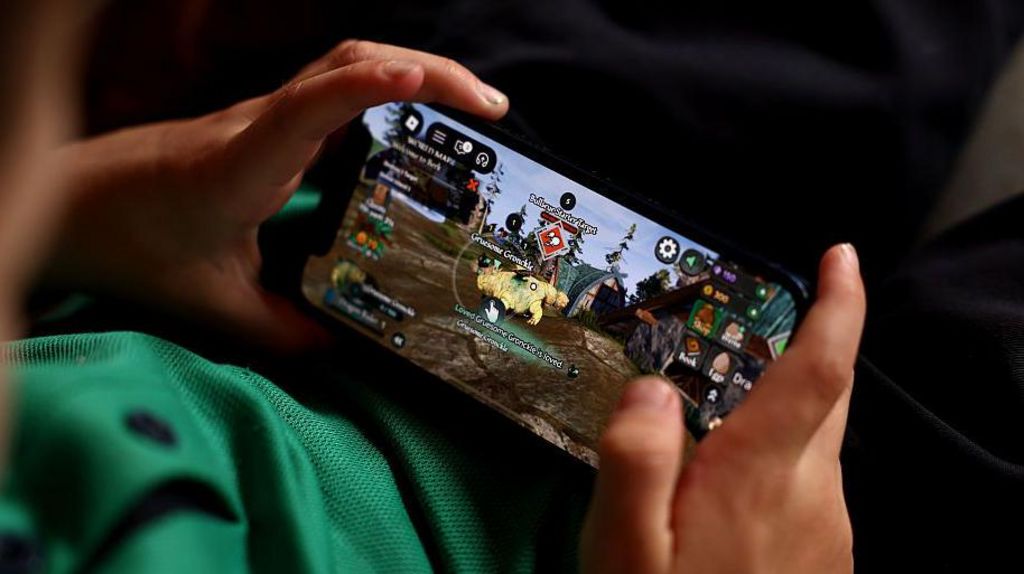
Russian authorities have implemented a nationwide ban on the popular gaming platform Roblox, citing significant concerns regarding child safety and the proliferation of extremist content. The country’s media watchdog, Roskomnadzor, officially restricted access to the U.S.-based platform after identifying numerous violations of Russian digital laws.
According to official statements from Russian media outlets, the regulator determined that Roblox contained ‘inappropriate content that can negatively impact the spiritual and moral development of children.’ The platform’s open architecture, which enables users to create and share custom games, has reportedly facilitated the spread of content related to terrorism simulations, gambling activities, and LGBT themes—the latter being classified as extremist under Russian law.
The multiplayer platform, which has ranked among Russia’s most downloaded mobile applications in recent years, now joins several other countries that have restricted Roblox over similar concerns. Turkey previously banned the platform, while Singaporean authorities investigated Roblox in 2023 after a self-radicalized teenager accessed ISIS-themed servers through the platform.
Roblox Corporation responded to the ban by emphasizing its commitment to user safety. ‘We respect the laws of the countries where we operate,’ a company spokesperson stated. ‘Our platform provides a positive space for learning and creativity, backed by robust proactive and preventative safety measures designed to detect and prevent harmful content.’
The Russian ban comes amid increasing global scrutiny of Roblox’s safety protocols. Last month, Texas Attorney General Ken Paxton filed litigation against the company, accusing it of ‘flagrantly ignoring’ child protection laws and ‘deceiving parents’ about potential dangers. In response to mounting criticism, Roblox recently announced it would prohibit children from chatting with adult strangers, marking a significant policy shift for its networking features.