The Eurovision Song Contest confronts its most consequential crossroads in decades as organizers convene in Geneva for a pivotal emergency session. At stake is Israel’s continued participation in the world’s largest music competition amid escalating geopolitical tensions and allegations of improper voting practices.
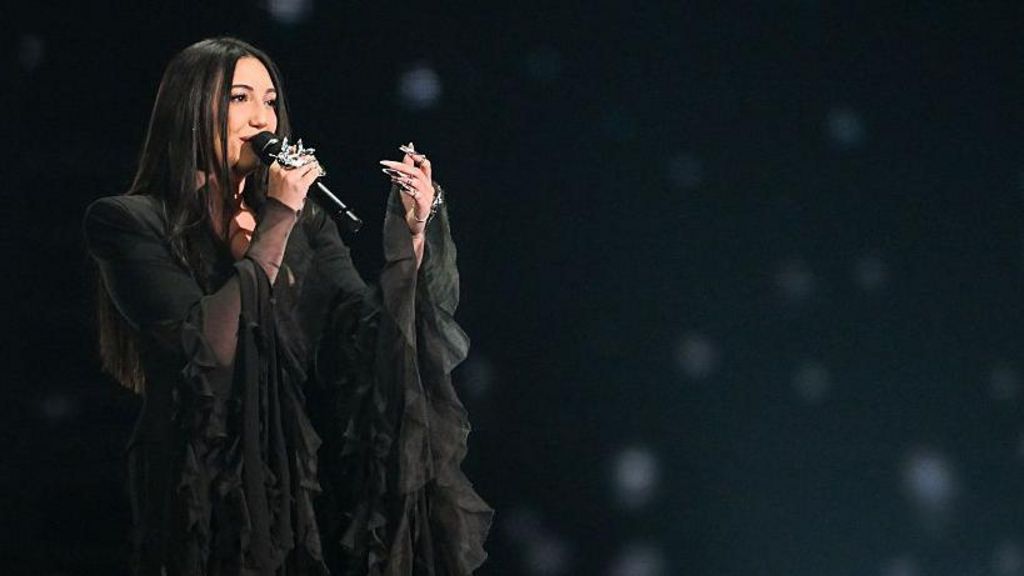
The emergency meeting follows two consecutive years of significant protests targeting Israel’s involvement. During the 2025 grand final in Basel, Switzerland, security personnel intercepted two protesters attempting to storm the stage and throw paint on Israeli contestant Yuval Raphael—a singer who had previously survived the October 2023 Hamas attacks. Despite the disruption, Raphael secured second place overall after winning the public vote, a result that sparked immediate controversy.
Multiple participating nations, including Ireland, Spain, the Netherlands, and Slovenia, have threatened complete withdrawal if Israel remains in the competition. Their objections center on Israel’s military operations in Gaza and allegations of government-mediated voting manipulation. Conversely, Germany has indicated it would boycott if Israel is excluded, creating a diplomatic stalemate.
In response to voting integrity concerns, the European Broadcasting Union (EBU) recently announced sweeping reforms to safeguard contest neutrality. These measures include reducing maximum votes per person from 20 to 10, implementing enhanced fraud detection systems, and explicitly discouraging ‘disproportionate promotion campaigns’ supported by governmental entities.
EBU leadership hopes these changes will alleviate concerns regarding Israel’s participation. However, should member broadcasters—including BBC Director General Tim Davie—deem the measures insufficient, a direct vote on Israel’s Eurovision future will proceed.
Natalija Gorščak of Slovenian broadcaster RTV stated her country would refuse participation regardless of the outcome, emphasizing moral principles over musical diplomacy. Eurovision analyst Paul Jordan described the situation as ‘a real crisis point’ for an event designed to transcend politics.
The decision carries practical implications for the 2026 contest in Vienna, where Austrian broadcaster ORF has already declared Israel ‘an inseparable part of Eurovision.’ Meanwhile, Spanish RTVE’s president has condemned Israel’s participation as ‘untenable’ given Gaza casualties, which Hamas-run health authorities report exceed 70,000.
With the EBU attempting to balance artistic unity against deepening geopolitical fractures, Thursday’s meeting may determine whether the contest can preserve its apolitical ethos or succumb to irreversible politicization.