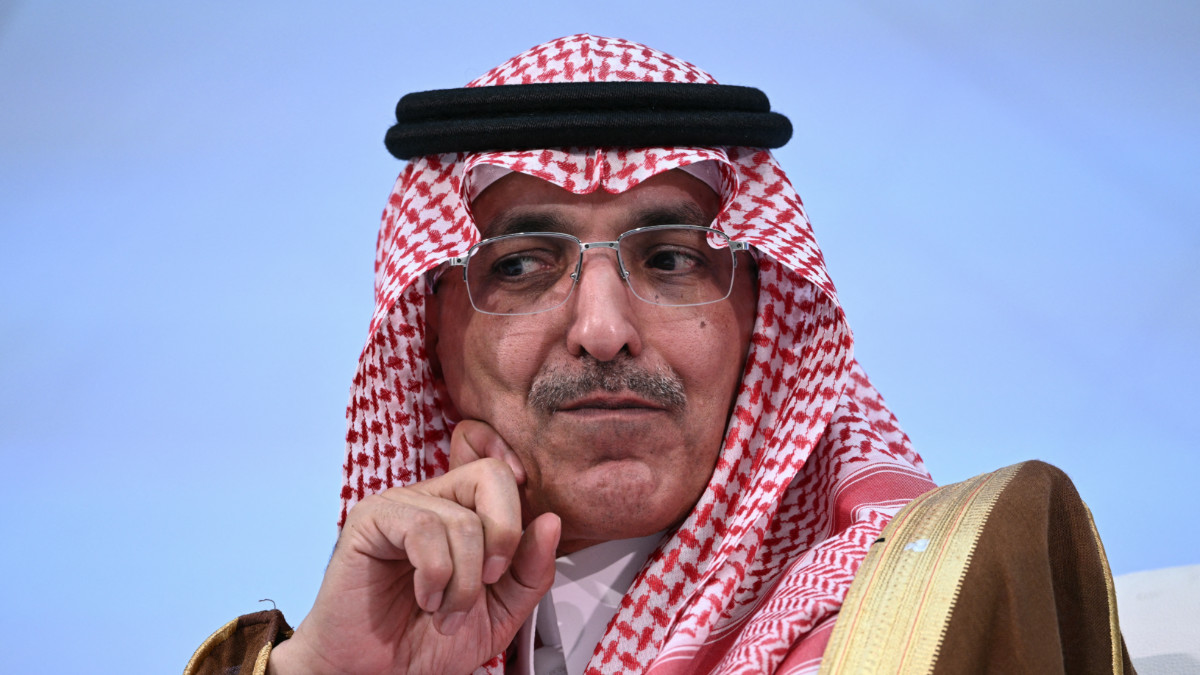
Saudi Finance Minister Mohammed al-Jadaan has delivered a definitive statement on the kingdom’s flexible approach to its landmark Vision 2030 initiative, declaring the government possesses “absolutely no ego” in its execution. The remarks, made during a post-budget briefing in Riyadh, represent the most explicit confirmation that Saudi authorities are conducting a comprehensive reassessment of several futuristic megaprojects originally conceived under Crown Prince Mohammed bin Salman’s economic diversification blueprint.
This pragmatic stance emerges amidst multiple international reports indicating significant scaling back of ambitious developments. Key components of the flagship NEOM project, including the revolutionary 170km linear city known as ‘The Line,’ are undergoing substantial downsizing according to architectural and development sources. Concurrently, construction of the Trojena desert ski resort has reportedly fallen behind schedule, prompting internal discussions about potentially relocating the 2029 Asian Winter Games.
Minister al-Jadaan emphasized that this recalibration does not equate to reduced government expenditure but rather a strategic reallocation of resources. “Spending efficiency doesn’t mean cutting spending,” he clarified. “It means decreasing spending on some items to increase on others.” This shift prioritizes sectors where Saudi Arabia holds competitive advantages, particularly artificial intelligence—which benefits from cheap electricity—and tourism, leveraging its status as home to Islam’s holiest sites.
The financial context for this strategic pivot is outlined in Saudi Arabia’s newly unveiled budget, which projects a substantial reduction in the national deficit from 5.3% of GDP in 2025 to 3.3% in 2026. al-Jadaan characterized this deficit as “by design,” noting the government’s deliberate policy choice to maintain deficit spending through 2028 while ensuring fiscal sustainability.
Despite project modifications, Saudi Arabia continues to advance its economic transformation agenda. The kingdom is proceeding with major expansion projects around Mecca’s Grand Mosque and has recently relaxed restrictions on alcohol sales, signaling ongoing efforts to attract Western visitors and diversify its revenue streams beyond hydrocarbon exports.