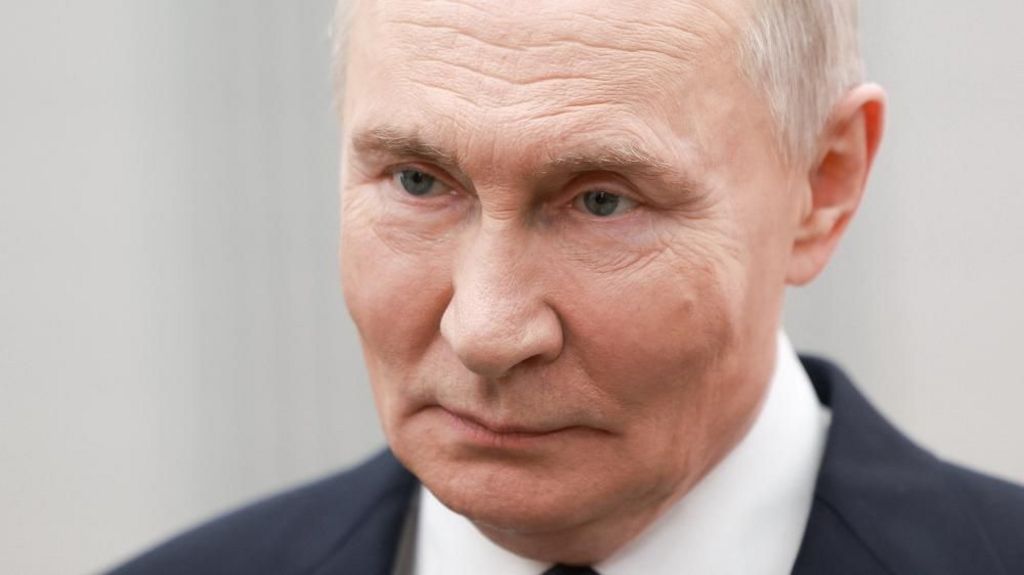
Recent diplomatic engagements concerning Ukraine have revealed Russian President Vladimir Putin’s unwavering position on continuing military operations despite growing economic challenges. During five hours of negotiations in Moscow involving U.S. envoy Steve Witkoff and Donald Trump’s adviser Jared Kushner, Kremlin foreign policy aide Yuri Ushakov explicitly stated that “no compromise version has yet been found” regarding potential peace agreements.
This hardened stance aligns with Putin’s recent rhetoric, where he has characterized Ukrainian leadership as a “thieving junta” and accused European officials of undermining peace initiatives. Russian state media has simultaneously projected images of Putin in military attire analyzing frontline maps and celebrating alleged battlefield advances—claims frequently disputed by Ukrainian authorities and international observers.
Nearly four years into Russia’s full-scale invasion, the Kremlin leader appears convinced of his strategic advantage despite substantial Russian casualties and economic strain. Putin’s demeanor suggests a leader determined to persuade Western nations of his inevitable victory, projecting an image of unstoppable momentum in pursuing military objectives.
However, beneath this show of confidence lies increasing economic vulnerability. Despite circumventing international sanctions, Russia faces declining hydrocarbon revenues and expanding budget deficits. Putin himself acknowledged concerning “imbalances” within the Russian economy, noting decreased production output across several sectors this year.
The critical question emerging from these developments is whether mounting economic pressures will eventually compel Moscow to recalibrate its military ambitions. While Putin currently maintains a posture of invincibility, the sustainability of Russia’s war effort remains contingent on continuous financial resources that show signs of deterioration.