In a significant diplomatic development, Israel and Lebanon are preparing for their first official non-military engagement this Wednesday, marking a tentative step toward establishing economic relations between the historically adversarial nations.
The Israeli Prime Minister’s office confirmed that Benjamin Netanyahu has authorized the acting director of the National Security Council to dispatch a representative to meet with Lebanese economic officials. This groundbreaking initiative aims to create foundational elements for future economic cooperation between the two countries, which technically remain in a state of conflict.
Concurrently, Lebanon’s presidential office announced the appointment of Simon Karam, a prominent attorney and former ambassador to the United States, to lead a civilian delegation to the supervision committee overseeing implementation of the 2024 ceasefire agreement. This committee, which previously consisted exclusively of military representatives from Lebanon, the United States, France, Saudi Arabia, and Egypt, will now include Lebanese civilian participation for the first time.
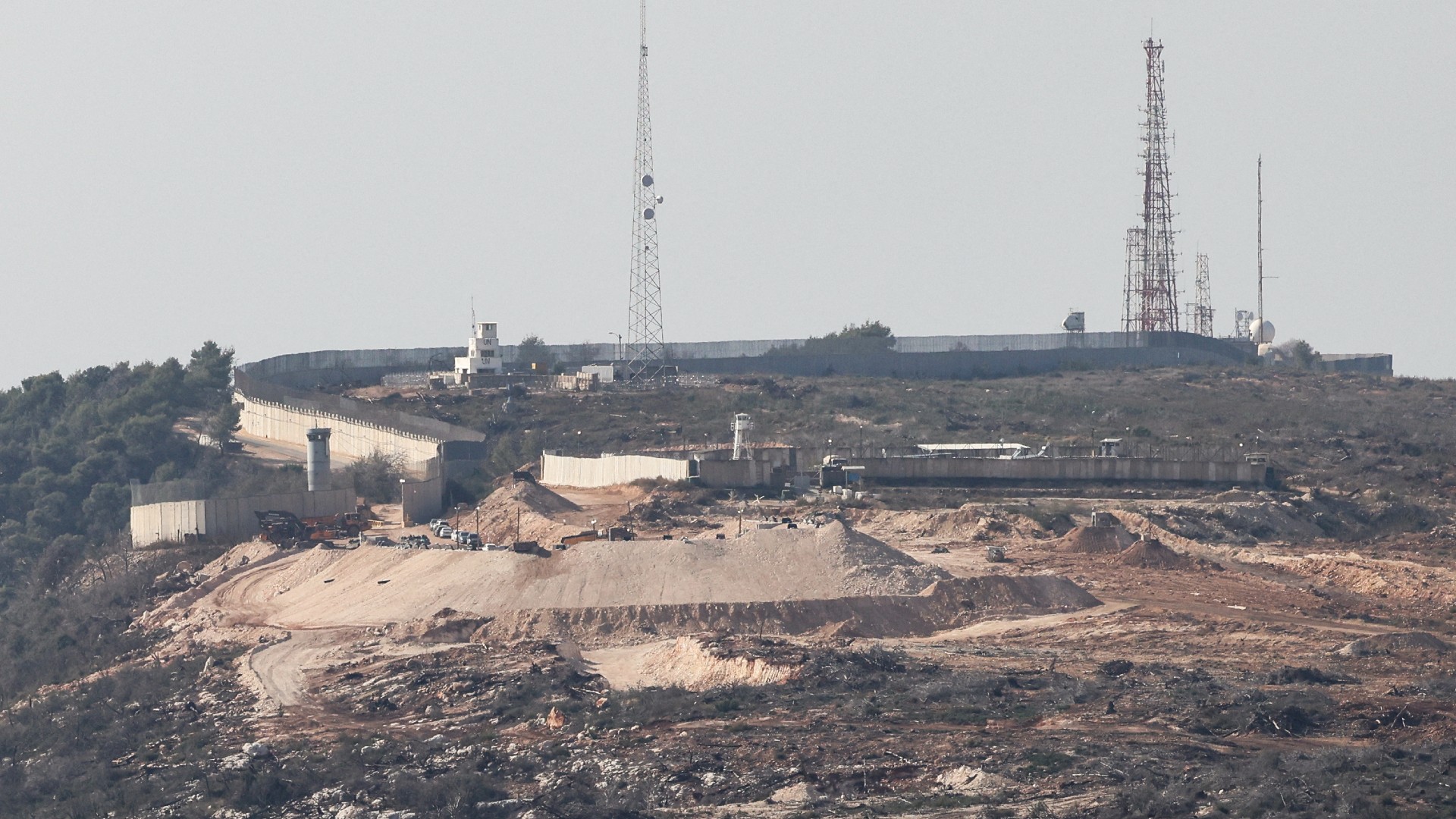
The meeting in Naqoura, southern Lebanon, occurs against a complex backdrop of ongoing tensions. Despite the November 2024 ceasefire that ended over a year of hostilities between Israel and Hezbollah, violence has persisted with near-daily Israeli attacks on Lebanese territory. Israel maintains occupation of five strategic border areas, preventing thousands of displaced residents from returning to their destroyed villages due to continued military activity.
The humanitarian toll has been substantial, with more than 300 fatalities—including over 100 civilians—resulting from Israeli strikes since the ceasefire signing. Recent escalations have raised concerns in Beirut about potential Israeli military expansion, particularly following accusations from Israeli leadership that Lebanon has delayed efforts to disarm Hezbollah.
This diplomatic overture represents a delicate balancing act for both governments. Lebanon maintains its official non-recognition of Israel, previously insisting exclusively on military representation in ceasefire oversight. Lebanese military delegates have historically avoided direct contact with Israeli counterparts, making this economic dialogue particularly noteworthy despite the ongoing security challenges.