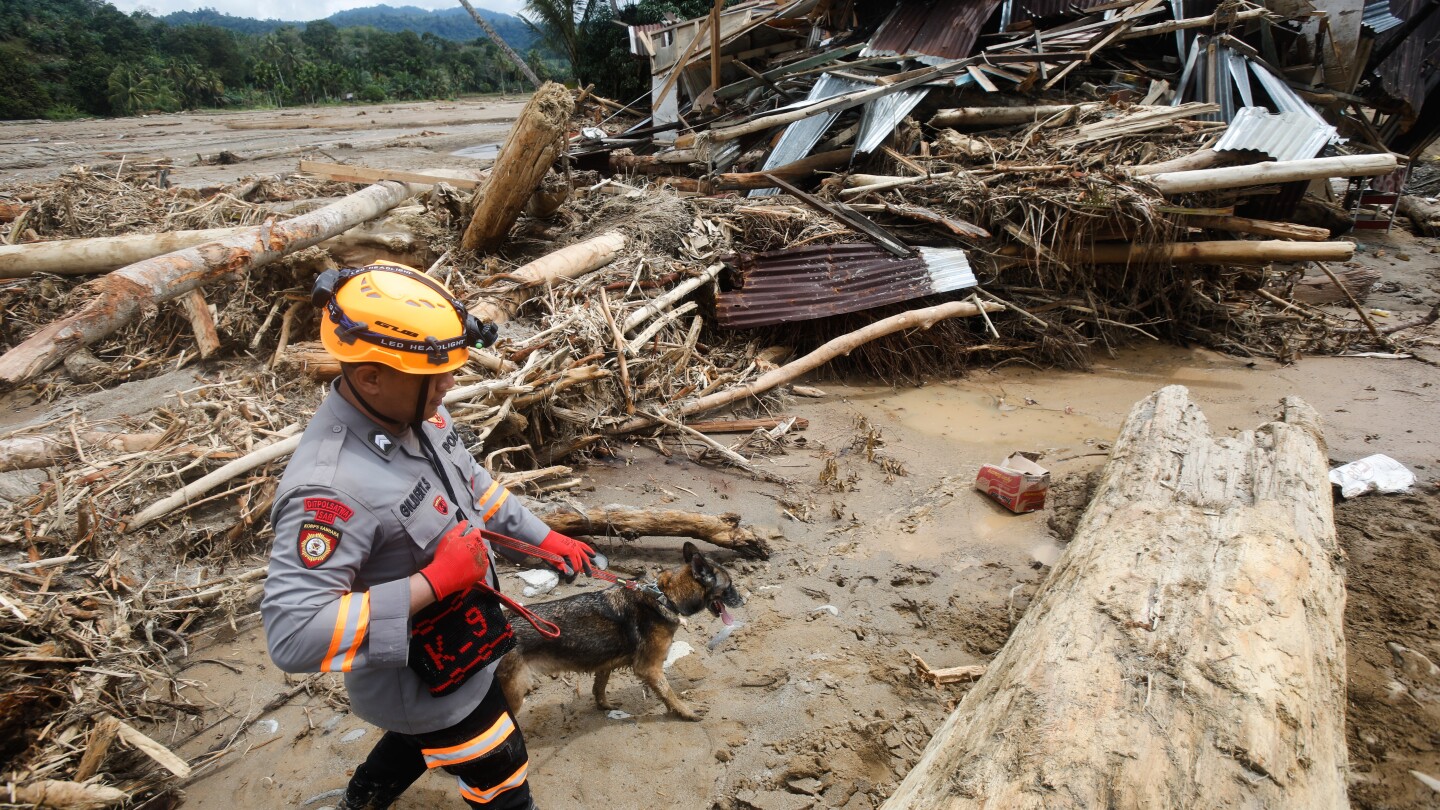
A series of devastating floods and landslides triggered by unprecedented rainfall has plunged multiple Southeast Asian nations into crisis, with the collective death toll surpassing 1,400 across Indonesia, Sri Lanka, Thailand, and Malaysia. The catastrophe has not only resulted in massive human casualties but has also exposed profound economic disparities influencing regional disaster response capabilities.
Indonesia remains the epicenter of the tragedy, reporting a staggering 753 fatalities. Rescue operations face immense challenges as washed-out roads, collapsed bridges, and persistent landslides hinder access to isolated communities in the hardest-hit provinces of North Sumatra, West Sumatra, and Aceh. With approximately 650 individuals still missing and over 1.5 million residents displaced, the National Disaster Management Agency is racing against time amid ongoing power and telecommunications outages. The government has deployed three hospital ships to assist overwhelmed local medical facilities, where approximately 2,600 injured are receiving treatment.
While Indonesian President Prabowo Subianto has visited affected areas and pledged reconstruction support, his administration has notably refrained from declaring a national emergency or formally seeking international assistance. This stands in contrast to Sri Lanka, where President Anura Kumara Dissanayake has actively engaged diplomatic channels for support.
The disaster has laid bare stark contrasts in national recovery capacities. Middle-income economies like Indonesia and Thailand have demonstrated stronger fiscal capabilities, mobilizing extensive rescue operations, deploying military assets, and channeling emergency funds. Thailand’s government spokesperson announced the successful restoration of utilities in most southern regions and the disbursement of over $31 million in compensation to affected households.
Conversely, Sri Lanka, still recovering from a severe economic crisis, faces significantly constrained conditions. With limited resources, foreign exchange shortages, and weakened public services, the island nation’s disaster response remains heavily reliant on external support. Prime Minister Harini Amarasuriya has urgently appealed to international diplomats for relief and reconstruction assistance. The flooding is expected to severely impact Sri Lanka’s economic stability, particularly affecting rice-growing regions and vegetable suppliers, potentially forcing the depletion of scarce foreign currency reserves despite being under an International Monetary Fund bailout program.
The international community has begun responding with India, Pakistan, and the United Arab Emirates launching relief efforts, while other nations have pledged additional support for the region’s recovery.