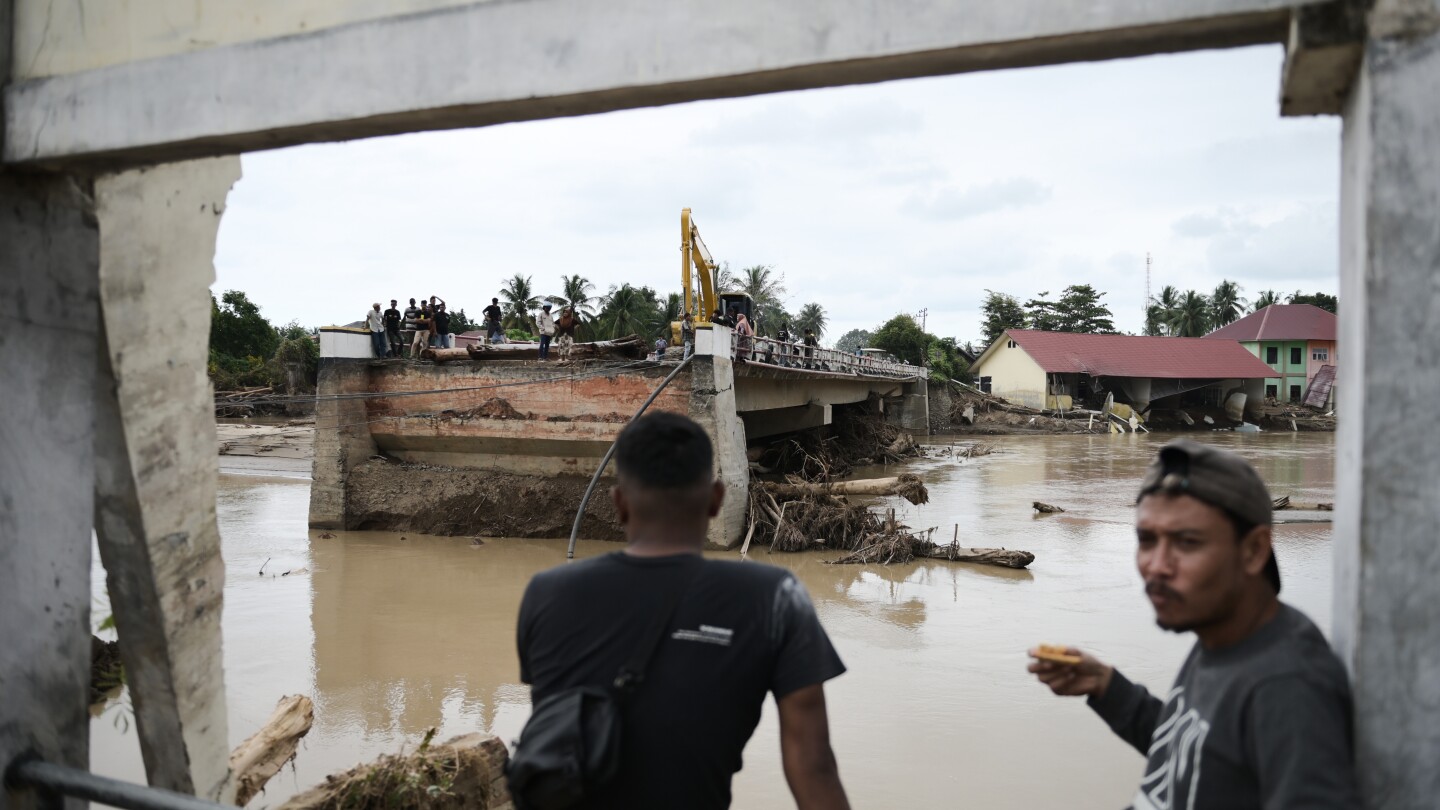
Southeast Asia is experiencing catastrophic flooding of historic proportions, with climate scientists confirming these devastating events represent a dangerous new normal rather than anomalous weather patterns. The region has recorded over 1,200 fatalities across Indonesia, Sri Lanka, and Thailand, with more than 800 individuals still missing following relentless rains and landslides that have overwhelmed national response capabilities.
Climate scientists point to alarming environmental triggers that set the stage for 2025’s extreme weather. Atmospheric carbon dioxide levels surged by the largest margin ever documented in 2024, creating what the UN’s World Meteorological Organization describes as a ‘turbocharged’ climate system. Asia is warming at nearly double the global average rate, resulting in stronger, wetter storms with increased frequency and unpredictability.
The human toll is staggering: entire villages in Indonesia remain isolated after critical infrastructure was destroyed, thousands in Sri Lanka lack access to clean water, and Thailand’s leadership has publicly acknowledged deficiencies in their emergency response. Malaysia continues recovery efforts from its worst flooding in recent memory, which claimed three lives and displaced thousands. Vietnam and the Philippines have endured a year of consecutive destructive storms that have left hundreds dead.
Professor Benjamin Horton of City University Hong Kong explains the scientific mechanisms: ‘Warmer ocean temperatures provide enhanced energy for storm formation while rising sea levels amplify storm surges. Although total storm numbers may not increase dramatically, their severity and unpredictability certainly will.’
The region’s disaster preparedness systems have proven inadequate against these climate-fueled catastrophes. Aslam Perwaiz of the Asian Disaster Preparedness Center notes that governments traditionally prioritize disaster response over proactive preparation, leaving them vulnerable to increasingly unpredictable weather patterns. Unregulated development and ecosystem degradation have exacerbated flooding impacts, with deforestation particularly concerning in Indonesia where affected provinces have lost forest coverage exceeding New Jersey’s size since 2000.
The economic consequences are devastating. Vietnam estimates $3 billion in losses from natural disasters during the first eleven months of 2025, while Thailand’s agricultural sector alone suffered approximately $47 million in damages since August. Southern Thailand’s November flooding caused an estimated $781 million in losses, potentially reducing national GDP by 0.1%.
Despite contributing minimally to global carbon emissions, Southeast Asian nations bear disproportionate climate impacts while struggling with limited financial resources. At the recent COP30 conference in Brazil, countries pledged to triple climate adaptation funding and make $1.3 trillion in annual climate financing available by 2035—commitments that remain insufficient compared to developing nations’ needs and uncertain in their implementation.
As Southeast Asia stands at a climate crossroads, expanding renewable energy while maintaining fossil fuel dependence, communities face the harsh reality that extreme weather has become their permanent reality.