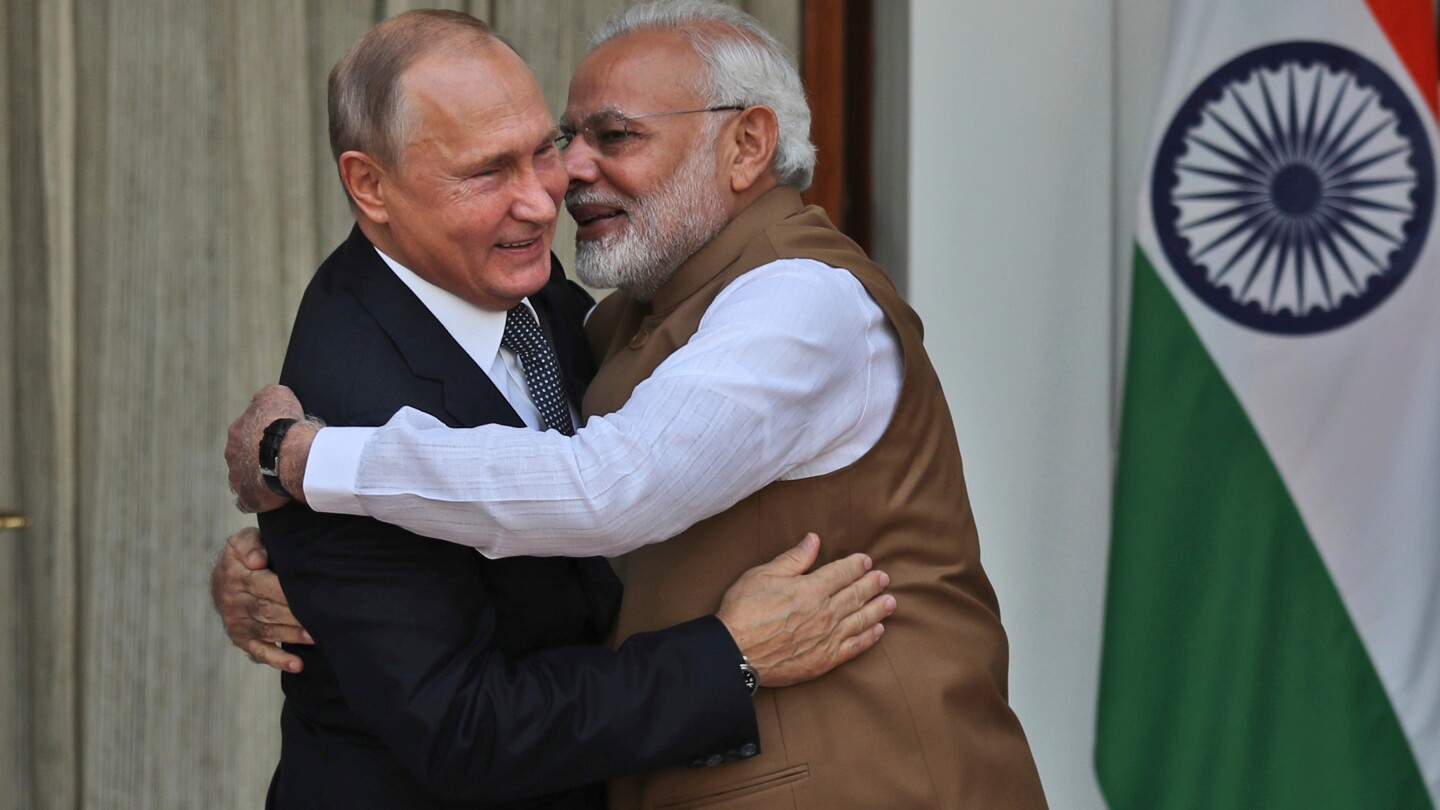
Russian President Vladimir Putin’s upcoming state visit to India presents a critical test for New Delhi’s delicate diplomatic positioning between Moscow and Washington. The two-day summit beginning Thursday will see Putin and Indian Prime Minister Narendra Modi reviewing bilateral relations while navigating complex international pressures stemming from the ongoing conflict in Ukraine.
The visit occurs against the backdrop of intensified U.S. efforts to advance a Ukraine peace plan and secure broader international cooperation. India has maintained a nuanced position regarding the Ukraine conflict, refraining from direct condemnation of Russia while advocating for peaceful resolution. This balanced approach reflects New Delhi’s strategic calculations in preserving relationships with both global powers.
Economic cooperation forms a central pillar of the discussions, with both nations preparing to sign agreements covering trade facilitation, maritime collaboration, healthcare, and media exchanges. India seeks expanded market access for its pharmaceuticals, agricultural products, and textiles while pursuing long-term fertilizer supplies from Russia. The negotiations will also address safe migration protocols for Indian skilled workers seeking employment in Russia.
The energy sector remains particularly contentious as India continues purchasing discounted Russian oil despite U.S. pressure and retaliatory tariffs. New Delhi defends these imports as essential for meeting the energy demands of its 1.4 billion population. The summit will explore expanded civil nuclear cooperation and Indian investments in Russia’s Far East, building on existing partnerships like the Russian-assisted Kudankulam nuclear facility.
Defense cooperation constitutes another critical dimension, with India expected to press for expedited delivery of S-400 surface-to-air missile systems under their 2018 agreement. Discussions will cover potential acquisitions of additional units, modernization of Russia-made Su-30MKI fighter jets, and improved coordination on joint military exercises. Despite India’s diversification of defense suppliers, Russia remains its primary military hardware provider.
International relations experts suggest that while India avoids overt mediation roles, behind-the-scenes diplomacy by Modi could influence Putin to address Ukrainian and European concerns. The outcome of these high-stakes negotiations will significantly impact global geopolitical dynamics and energy markets amid ongoing conflict resolution efforts.