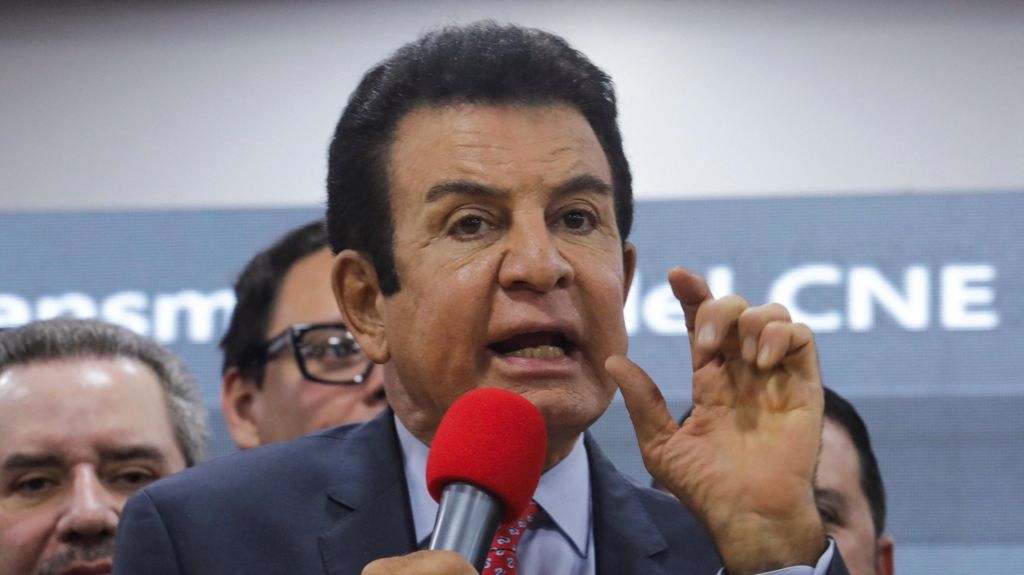
In a dramatic turn of events that has captivated international attention, Honduras finds itself at a political crossroads with presidential candidate Salvador Nasralla maintaining a slender advantage as vote counting continues. The electoral process, now entering its critical final stages, sees Nasralla narrowly outpacing his conservative opponent Nasry Asfura, though Asfura’s National Party remains confident of ultimate victory.
The election has been significantly influenced by external forces, particularly from Washington where former President Donald Trump has actively intervened in support of his preferred candidate. Trump’s involvement has ranged from suggesting potential aid cuts to the impoverished Central American nation to making unsubstantiated claims of electoral fraud, creating what analysts describe as an unprecedented level of American interference in Honduran domestic affairs.
Adding to the political turbulence, ex-President Juan Orlando Hernández has been unexpectedly released from U.S. custody after serving merely one year of his 45-year sentence for drug trafficking and weapons charges. His pardon, directly orchestrated by Trump, has sparked both celebration and outrage. Hernández’s presidency was marred by serious allegations of human rights violations and corruption, making his early release particularly controversial among Honduran citizens who had viewed his conviction as a rare instance of accountability for political elites.
Political analyst Josué Murillo characterizes Trump’s interventions as reminiscent of Cold War-era tactics: “No government should come here and treat us as a banana republic. That is a lack of respect. Donald Trump saying who we should elect violates our autonomy as a nation.”
The former first lady, Ana García Carías, has emerged as a vocal defender of her husband, describing his release as “like being in a dream, a dream made reality.” She attributes Hernández’s legal troubles to what she calls “lawfare” and a “politically motivated witch-hunt” by the Biden administration, despite evidence that the case against Hernández was developed during Trump’s own presidency. García Carías acknowledged the instrumental role of Trump allies Roger Stone and Matt Gaetz in securing the pardon.
As the nation awaits final election results, the outcome will determine not only Honduras’s political future but also the extent of American influence in Central American affairs, with Trump potentially gaining both a new ally in Asfura and the restoration of an old one in Hernández.