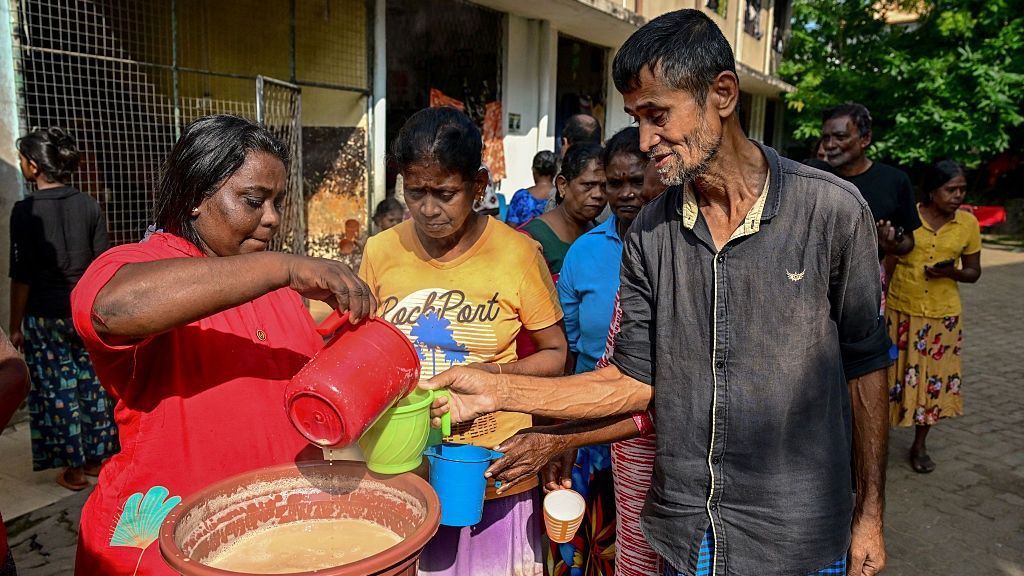
Sri Lanka faces an unprecedented humanitarian crisis following Cyclone Ditwah’s devastating landfall last week, which submerged entire communities and triggered catastrophic landslides across the nation. The disaster has claimed over 400 lives, left hundreds missing, and rendered 20,000 households uninhabitable, affecting more than one million residents in what President Anura Kumara Dissanayake describes as the country’s ‘most challenging natural disaster’.
Amidst widespread destruction, a remarkable grassroots mobilization has emerged. Citizens previously engaged in political activism during Sri Lanka’s 2022 economic crisis have repurposed their organizational skills for disaster relief. In Colombo’s Wijerama neighborhood, volunteers who once protested against former president Gotabaya Rajapaksa now operate community kitchens producing thousands of meals daily for flood victims.
Celebrities like actor-musician GK Reginold have joined the effort, navigating submerged suburbs via motorized fishing boats to deliver essential supplies to isolated families. ‘The main reason I wanted to do this is to at least help them have one meal,’ Reginold told the BBC, expressing fulfillment in providing crucial assistance.
The relief operation extends beyond physical spaces into digital realms. Social media activists have created public databases to coordinate donations and volunteer efforts, while volunteer-backed websites help donors identify specific needs across relief camps. Private companies and television channels have organized donation drives for food and basic necessities.
Despite this civilian-led response, political tensions simmer. Opposition lawmakers accuse authorities of ignoring early weather warnings and staged a parliamentary walkout alleging government attempts to limit disaster debates. President Dissanayake has appealed for unity, urging Sri Lankans to ‘set aside all political differences’ in rebuilding efforts.
Military helicopters continue rescue operations alongside incoming international aid, but the road to recovery remains long for a nation familiar with recent turmoil. As volunteer Sasindu Sahan Tharaka reflected after exhausting shifts at relief sites: ‘The empathy and capacity of our hearts is greater than the destruction that occurs during a disaster.’