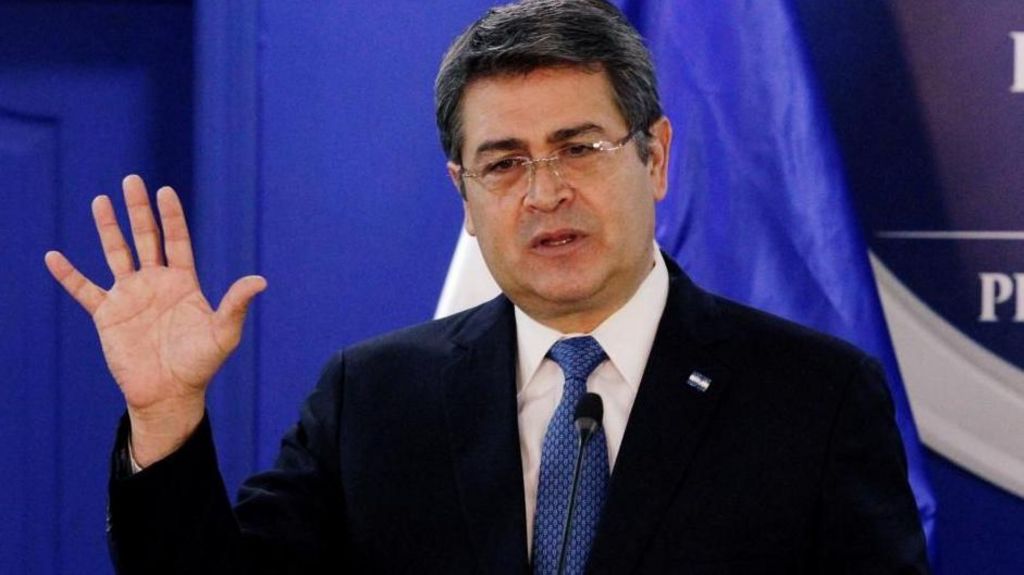
In a stunning reversal of justice, former Honduran President Juan Orlando Hernández has been released from prison following a presidential pardon from Donald Trump, despite being convicted for orchestrating one of the most extensive drug trafficking operations in hemispheric history.
The convicted leader, sentenced to 45 years imprisonment by a U.S. federal court in 2024 for masterminding a scheme that funneled over 400 tons of cocaine into the United States, walked free after Trump declared him a victim of “political persecution” and “over-prosecution” by the Biden administration’s Justice Department.
Hernández’s dramatic fall from power culminated a remarkable political trajectory that saw the conservative National Party leader maintain cordial relationships with consecutive U.S. administrations. Initially courted by Barack Obama during the migrant children crisis and subsequently endorsed by Trump following his controversial 2017 re-election victory, Hernández’s fortunes reversed when federal prosecutors uncovered his intricate partnership with notorious drug cartels.
Evidence presented during his three-week trial revealed Hernández accepted million-dollar bribes from infamous drug lord Joaquín “El Chapo” Guzmán during his initial presidential campaign, exchanging political protection for secured narcotics routes through Honduras. Prosecutors demonstrated how multiple state institutions, including the Honduran National Police, actively facilitated cocaine shipments while Hernández allegedly used campaign funds derived from drug profits to consolidate power.
The former president’s legal troubles intensified following the 2019 conviction of his brother, Juan Antonio “Tony” Hernández, who received a life sentence for cocaine smuggling. Shortly after leaving office in 2022, Hernández faced extradition to the United States, where he eventually received what prosecutors termed a “historic” sentence for narcotics trafficking and weapons charges.
Trump’s pardon announcement coincided with his endorsement of National Party candidate Tito Asfura in Honduras’ ongoing presidential election, a move analysts suggest reflects strategic alignment with right-leaning hemispheric allies. The decision has bewildered legal experts and policy analysts, who note the stark contradiction between Trump’s vehement anti-drug trafficking rhetoric and his liberation of a convicted narcotics kingpin.
White House Press Secretary Karoline Leavitt defended the pardon as necessary to “correct the wrongs” of the Biden Justice Department, while acknowledging Trump’s simultaneous commitment to combating “narco-terrorists” throughout the Americas. U.S. media reports indicate Hernández personally appealed to Trump in a four-page October letter, characterizing his prosecution as politically motivated and praising the former president’s leadership.
The unprecedented pardon has ignited intense scrutiny regarding the intersection of diplomatic relations, drug enforcement policy, and the application of presidential clemency powers in cases involving international narcotics trafficking and corruption.