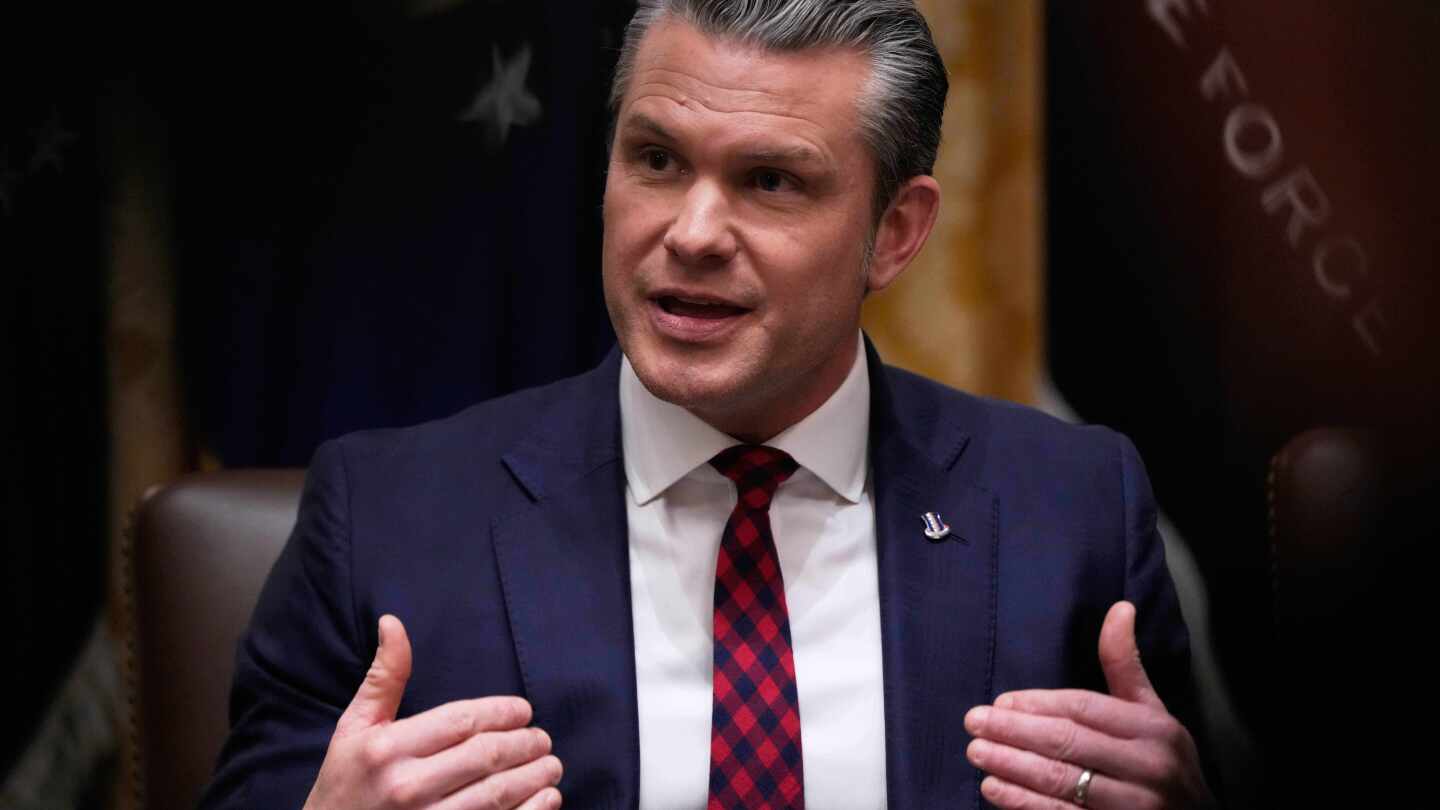
U.S. Defense Secretary Pete Hegseth has invoked the ‘fog of war’ doctrine to justify a controversial secondary military strike in the Caribbean Sea that resulted in casualties among survivors from an initial engagement. The incident, which targeted a vessel suspected of narcotics trafficking earlier this September, has prompted congressional scrutiny and raised questions about military protocol.
During Tuesday’s White House cabinet meeting, Secretary Hegseth defended the decision-making process, stating he observed no survivors in the water before authorizing the follow-up attack. ‘The vessel was actively engulfed in flames at the time of the secondary engagement,’ Hegseth testified, emphasizing the chaotic nature of combat operations. The Defense Secretary acknowledged he departed the operational theater following the initial strike, delegating full authority to Navy Vice Admiral Frank ‘Mitch’ Bradley who executed the subsequent action.
The Washington Post’s initial reporting revealed Hegseth issued verbal orders for the secondary strike that eliminated survivors from the first engagement. White House officials confirmed Monday that Admiral Bradley operated ‘within established legal parameters and his conferred authority’ when initiating the follow-up attack.
Congressional committees have announced formal reviews into U.S. military protocols regarding drug interdiction operations. Admiral Bradley is scheduled to deliver a classified briefing to military oversight legislators this Thursday. When questioned about the controversial strike, President Donald Trump expressed limited familiarity with the incident, noting he ‘relies on Secretary Hegseth’s assessment’ and had not received comprehensive briefing materials.