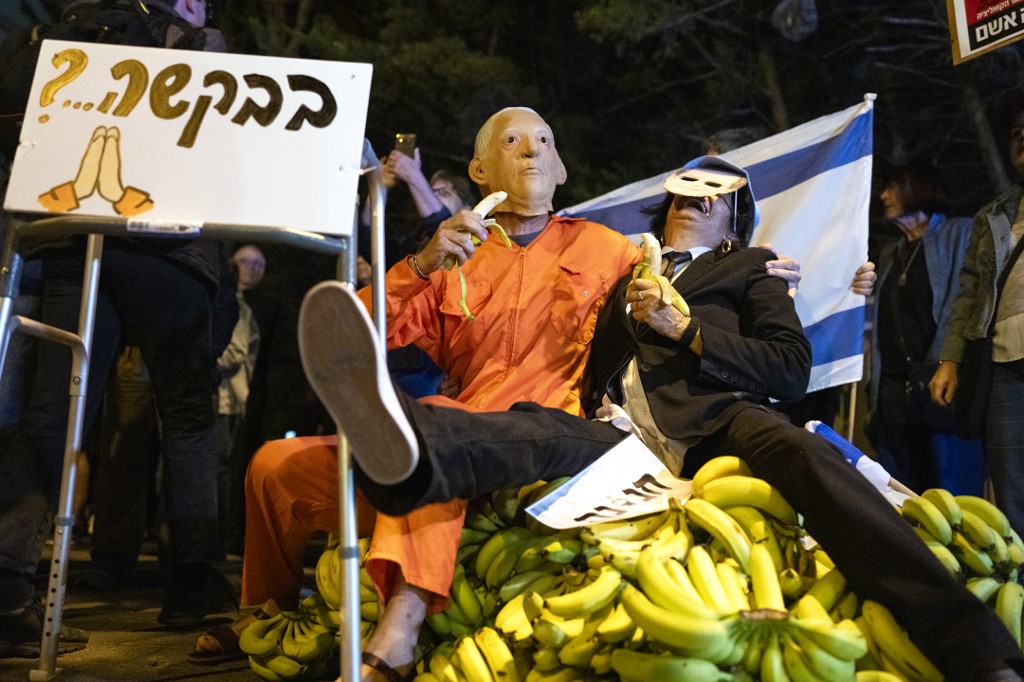
Israeli Prime Minister Benjamin Netanyahu has formally requested a presidential pardon from President Isaac Herzog, triggering intense nationwide debate amid his ongoing corruption trial. The 111-page legal submission, accompanied by a personal letter delivered Sunday, argues that clemency would serve the “public interest” by fostering national “reconciliation.”
Instead of unity, the move has exacerbated existing societal fractures. Protesters immediately gathered outside the presidential residence, while political figures across the spectrum voiced starkly contrasting views. President Herzog acknowledged the “controversy” surrounding the application, pledging to base his decision solely on Israel’s best interests while dismissing the impact of “violent discourse.”
Critics highlighted the petition’s most contentious aspect: Netanyahu’s refusal to admit guilt for charges of fraud, bribery, and breach of trust. Opposition Leader Yair Lapid declared Herzog cannot grant pardon without “admission of guilt, expression of remorse, and immediate retirement from political life.” Haaretz commentator Yossi Verter characterized the letter as bordering on “extortion by threats,” noting that meaningful dialogue would require contrition and commitment to leave politics.
Even within Netanyahu’s Likud party, dissent emerged. MP Tally Gotliv expressed feeling “pain and humiliation” over the submission, while far-right activist Arnon Segal lamented the right’s narrowed focus on acquittal rather than broader ideological goals.
Supporters presented counterarguments. Energy Minister Eli Cohen asserted Netanyahu “is not a corrupt person” and that pardoning would benefit Israel by ending “this saga.” Environmental Protection Minister Idit Silman suggested, without evidence, that U.S. President Donald Trump might impose sanctions on Israeli judicial officials should Herzog refuse clemency.
The controversy intersects with Israel’s security situation, with some social media users accusing Netanyahu of seeking to evade accountability for October 7 attacks. Enav Zangauker, mother of a recently released captive, condemned the move as prioritizing power retention over responsibility. Left-wing figures, including Hadash party leader Ayman Odeh, framed the pardon discussion as a distraction from Israel’s military actions in Gaza and the West Bank, asserting Netanyahu should face trial in The Hague for war crimes rather than receive domestic clemency.