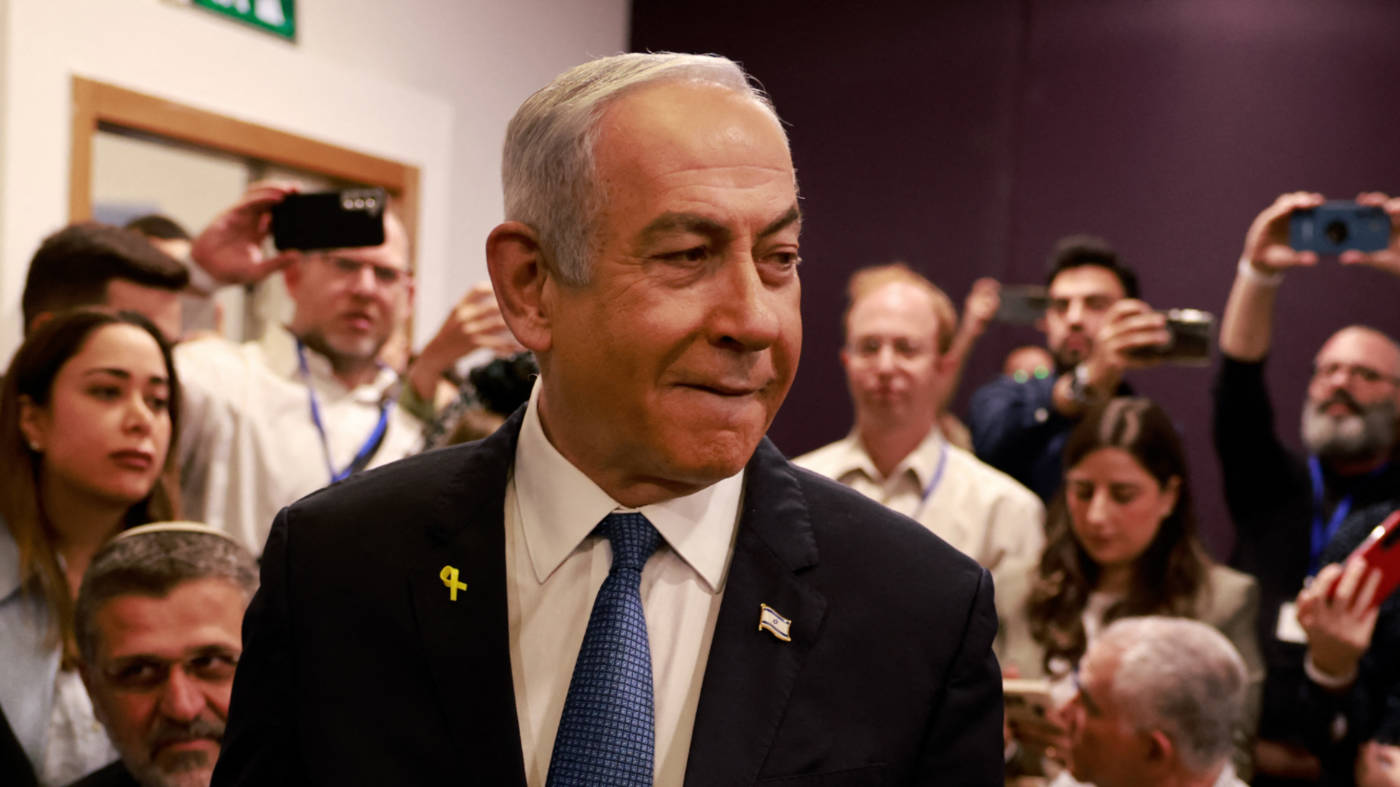
Israeli Prime Minister Benjamin Netanyahu has formally petitioned President Isaac Herzog for a comprehensive pardon that would terminate all ongoing corruption proceedings against him. This extraordinary legal maneuver comes as Netanyahu faces the most severe criminal charges ever brought against a sitting Israeli leader, with potential implications for both his political future and the nation’s judicial integrity.
The Prime Minister confronts three distinct cases—designated as Case 1000, Case 2000, and Case 4000—each containing allegations of bribery, fraud, and breach of trust. These cases, initially filed in 2019, represent the culmination of multiple corruption investigations that have shadowed Netanyahu’s lengthy political career. The most serious charge of bribery carries a maximum prison sentence of ten years, while even a single conviction would likely result in his permanent exclusion from public office.
Case 1000, frequently termed the “gifts affair,” alleges that Netanyahu received luxury items valued at approximately $200,000 from Hollywood producer Arnon Milchan and Australian billionaire James Packer. Prosecutors contend these gifts were exchanged for political favors, including tax legislation beneficial to Milchan and intervention regarding his U.S. visa status. Both donors have acknowledged providing gifts but deny any illicit arrangements.
Case 2000 involves allegations of a quid pro quo arrangement with Arnon Mozes, publisher of Yedioth Ahronoth, where Netanyahu supposedly promised to limit circulation of a competing newspaper in exchange for favorable coverage. Recordings presented as evidence capture discussions about mutual benefits, though Netanyahu maintains these conversations were insignificant.
Case 4000 represents the most severe allegations, accusing Netanyahu of granting regulatory favors to telecommunications giant Bezeq in exchange for positive coverage on the Walla news platform. This case involves bribery charges requiring heightened evidentiary standards but carries the most substantial potential penalties.
The timing of Netanyahu’s pardon request intersects critically with Israel’s ongoing military operations in Gaza and approaching elections scheduled for October 2026. Critics have accused the Prime Minister of prolonging conflict to divert attention from his legal troubles, while supporters characterize the prosecutions as politically motivated “witch hunts.”
The judicial process has experienced numerous delays, complicated by security concerns, Netanyahu’s surgical procedures, and allegations of improper evidence collection. Most notably, prosecutors documented 1,778 instances during interrogation where the Prime Minister claimed inability to recall relevant information.
President Herzog’s office has acknowledged the unprecedented nature of the pardon request, stating it will be evaluated with appropriate seriousness. The decision carries profound implications for Israel’s rule of law, particularly given that former Prime Minister Ehud Olmert previously served prison time for corruption offenses.
Political reactions have been sharply divided. Opposition leader Yair Lapid insists any pardon must require admission of guilt and retirement from public life, while Netanyahu’s coalition allies maintain the proceedings constitute judicial persecution. Recent polling indicates approximately 38% of Israelis support clemency, reflecting the deeply polarized nature of the issue.