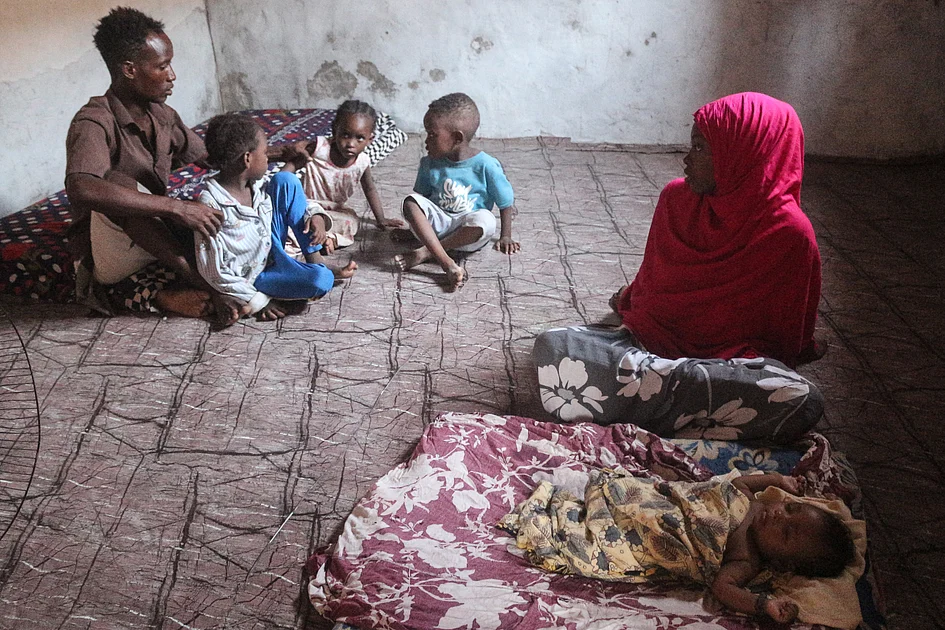
In the sprawling settlement known as ‘Little Mogadishu’ within Yemen’s port city of Aden, thousands of Somali migrants endure crushing poverty amidst makeshift shelters surrounded by garbage piles and unpaved roads. These displaced individuals, who initially envisioned Yemen as a transit point toward prosperous Gulf states, now find themselves trapped in a worsening humanitarian catastrophe.
Yemen, recognized as the Arabian Peninsula’s most impoverished nation, has become an unintended destination rather than a thoroughfare for African migrants. Despite the country’s own devastating civil war that has claimed hundreds of thousands of lives and decimated infrastructure, approximately 17,000 Africans arrived in Yemen in October 2025 alone—representing a startling 99 percent increase from previous months according to United Nations data.
The reality for these migrants stands in stark contrast to their aspirations. Somali refugees, who constitute 63 percent of Yemen’s 61,000 registered refugees and asylum seekers, face extreme hardship with limited access to employment, education, or basic necessities. Men line roadways daily seeking temporary work, while many resort to scavenging through refuse heaps for edible items to sustain their families.
Abdullah Omar, a 29-year-old Somali father of four, exemplifies this struggle. Having invested $500 with human traffickers to escape Somalia’s instability, he now survives on occasional car washing jobs that yield mere dollars per day. ‘Some days we eat, some days it’s up to God. That’s life,’ Omar told journalists, explaining his decision to enroll in a UN repatriation program after finding ‘no work, no money, and no schooling for the children.’
The UN Refugee Agency reports that 56 percent of returning Somalis cite ‘lack of income opportunities’ in Yemen as their primary reason for repatriation. A voluntary return program provides transportation and transitional financial assistance, having facilitated the return of over 500 Somalis in 2025 with additional flights planned.
Ahmed Abu Bakr Marzouk, a 58-year-old contractor who lived in Yemen for 25 years, represents another dimension of this crisis. Once prosperous enough to build homes in Mogadishu, he now sees returning to Somalia’s relative stability as his only option. ‘If peace returns, I’ll come back,’ Marzouk stated. ‘If not, I won’t.’
This migration paradox continues despite Yemen’s overwhelming challenges: 19.5 million people requiring humanitarian assistance, mass unemployment, currency depreciation, halted oil exports, and insufficient international funding create an environment where neither locals nor migrants can thrive.