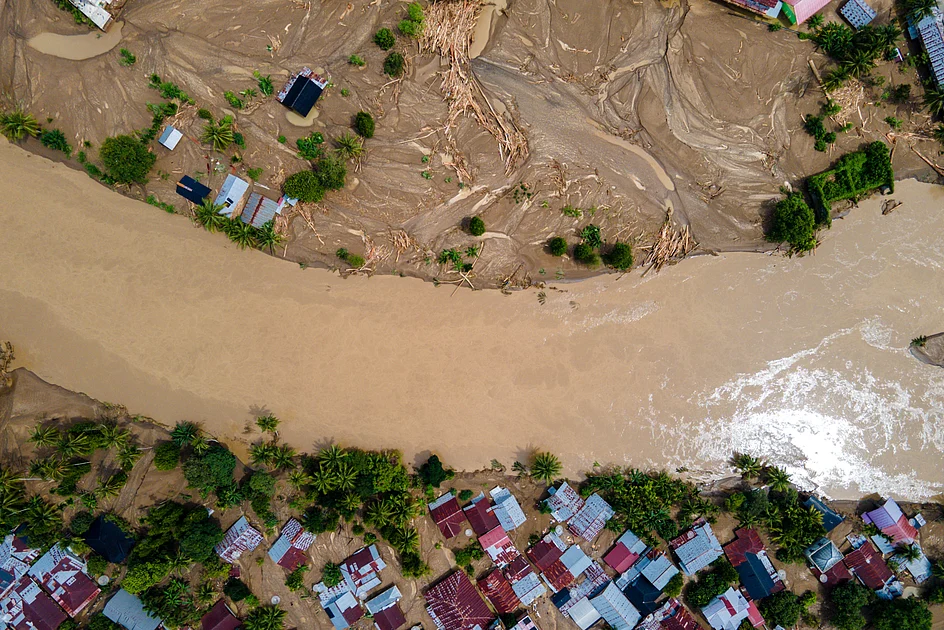
Southeast Asia confronts one of its most devastating natural disasters in recent history as catastrophic flooding claims over 1,200 lives across four nations. The region faces immense humanitarian challenges with hundreds of thousands displaced and critical supply chains disrupted.
Unprecedented monsoon deluges, intensified by dual tropical cyclones, unleashed destruction across Sri Lanka, Indonesia’s Sumatra island, southern Thailand, and northern Malaysia last week. Although floodwaters have begun receding, the aftermath reveals widespread devastation that has overwhelmed local response capabilities.
Indonesia’s Aceh province emerges as among the hardest-hit areas, where survivors describe tsunami-like waves that swept through communities without warning. “The water was unstoppable, resembling a tsunami wave,” recounted Zamzami, a 33-year-old East Aceh resident. Critical infrastructure damage has severed road access, creating severe supply shortages and dramatic price inflation for essential goods, with chili peppers reaching approximately $18 per kilogram.
The Indonesian government has initiated large-scale relief operations, distributing 34,000 tonnes of rice and 6.8 million liters of cooking oil to Aceh, North Sumatra, and West Sumatra provinces. Agriculture Minister Andi Amran Sulaiman emphasized the urgency: “There can be no delays” in assistance delivery.
Humanitarian organizations warn of impending food crises if supply routes remain compromised. Islamic Relief cautioned that “communities across Aceh face severe risk of food shortages and hunger” without restored access within seven days. The organization deployed 12 tonnes of supplies via Indonesian naval vessels arriving Tuesday.
Meanwhile, Sri Lanka confronts parallel devastation with at least 390 confirmed fatalities and 352 individuals missing. President Anura Kumara Dissanayake has declared a national state of emergency, characterizing the event as “the most challenging natural disaster in our history” and appealing for international support. Military forces from India and Pakistan have joined evacuation and supply delivery operations.
Meteorological experts note that climate change contributes to more intense precipitation events, as warmer atmospheric conditions retain increased moisture while elevated ocean temperatures amplify storm intensity. This scientific context underscores the growing frequency and severity of such extreme weather phenomena across vulnerable regions.