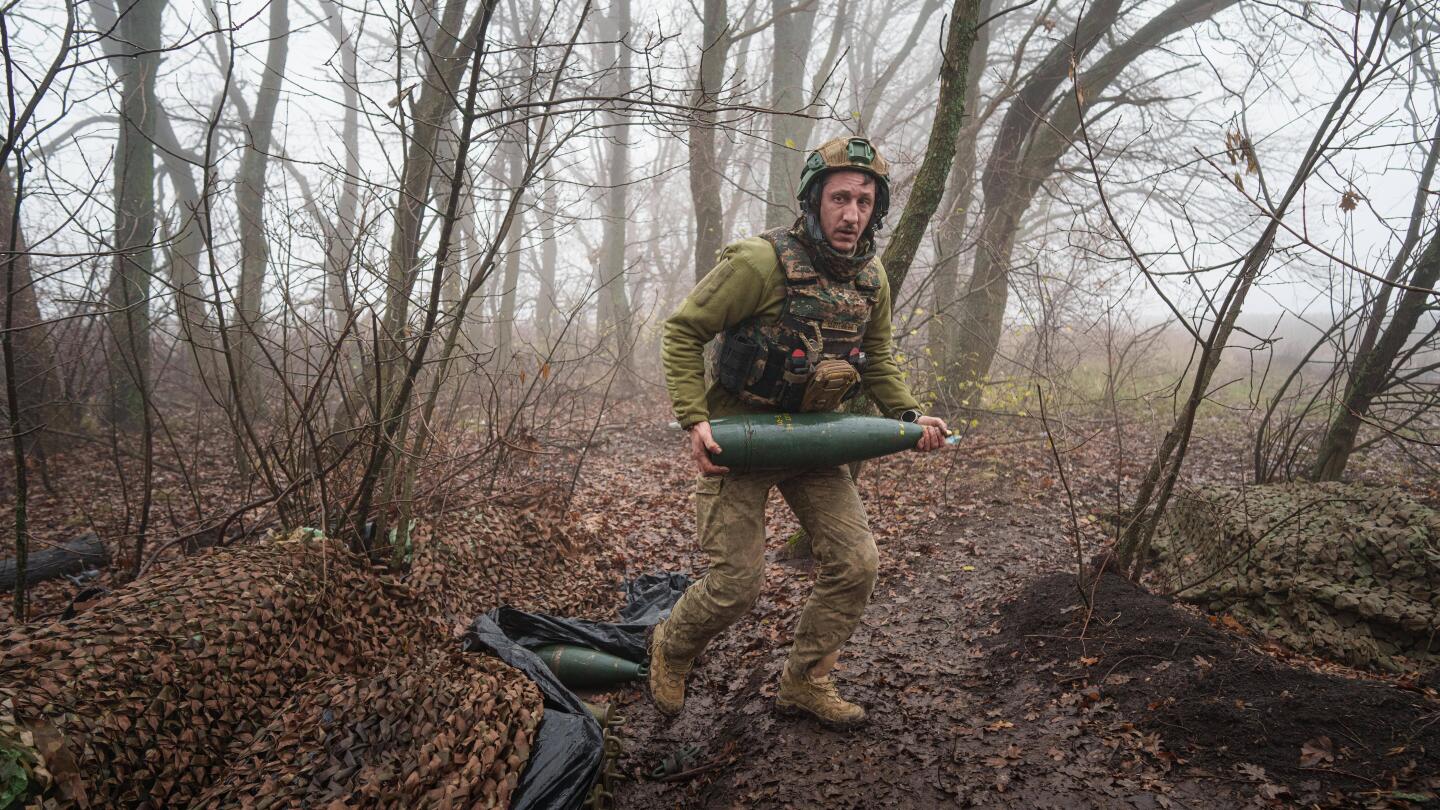
On the sprawling eastern frontlines of Ukraine, a profound skepticism permeates the ranks of battle-weary soldiers. Embedded in damp basements and muddy trenches, these troops express unwavering resolve in defending their homeland against Russian aggression, yet hold deep-seated doubts about the prospects for a durable peace. Military personnel, operating under call signs like ‘Kelt’, articulate a widespread belief that any negotiated settlement would merely provide Moscow with a strategic pause to reconstitute its forces for future offensive operations.
The prevailing sentiment among frontline units indicates that Russia’s ultimate objective remains the full conquest of Ukraine, regardless of diplomatic agreements. This perspective is reinforced by military analysts who warn that without substantial security guarantees—potentially including NATO membership—Ukraine faces inevitable renewed aggression. The situation is further complicated by severe manpower challenges, with reports indicating some battalions operating at critically reduced strength of merely 20 fighters instead of standard complements of 400-800 personnel.
Despite these constraints, Ukrainian forces continue demonstrating remarkable resilience in key defensive positions including Pokrovsk, Kupiansk, and Vovchansk. These holding actions occur against a backdrop of complex geopolitical negotiations, including a U.S.-Russia draft peace plan that proposes limiting Ukraine’s military capabilities—a notion frontline troops vehemently oppose as strategically dangerous.
The financial dimensions of sustaining Ukraine’s defense efforts present additional challenges. With nearly all domestic tax revenue allocated to military expenditures, the nation remains heavily dependent on Western support for essential civilian functions including healthcare, education, and social programs. Economic projections indicate significant funding gaps loom for 2026-2027, highlighting how Ukraine’s future security posture is inextricably linked to continued international assistance and the management of frozen Russian assets.