SAMARKAND, UZBEKISTAN – International conservation authorities are convening urgent talks this week to address the alarming expansion of digital wildlife trafficking, as exotic pet markets migrate from physical stores to unregulated online platforms and social media networks.
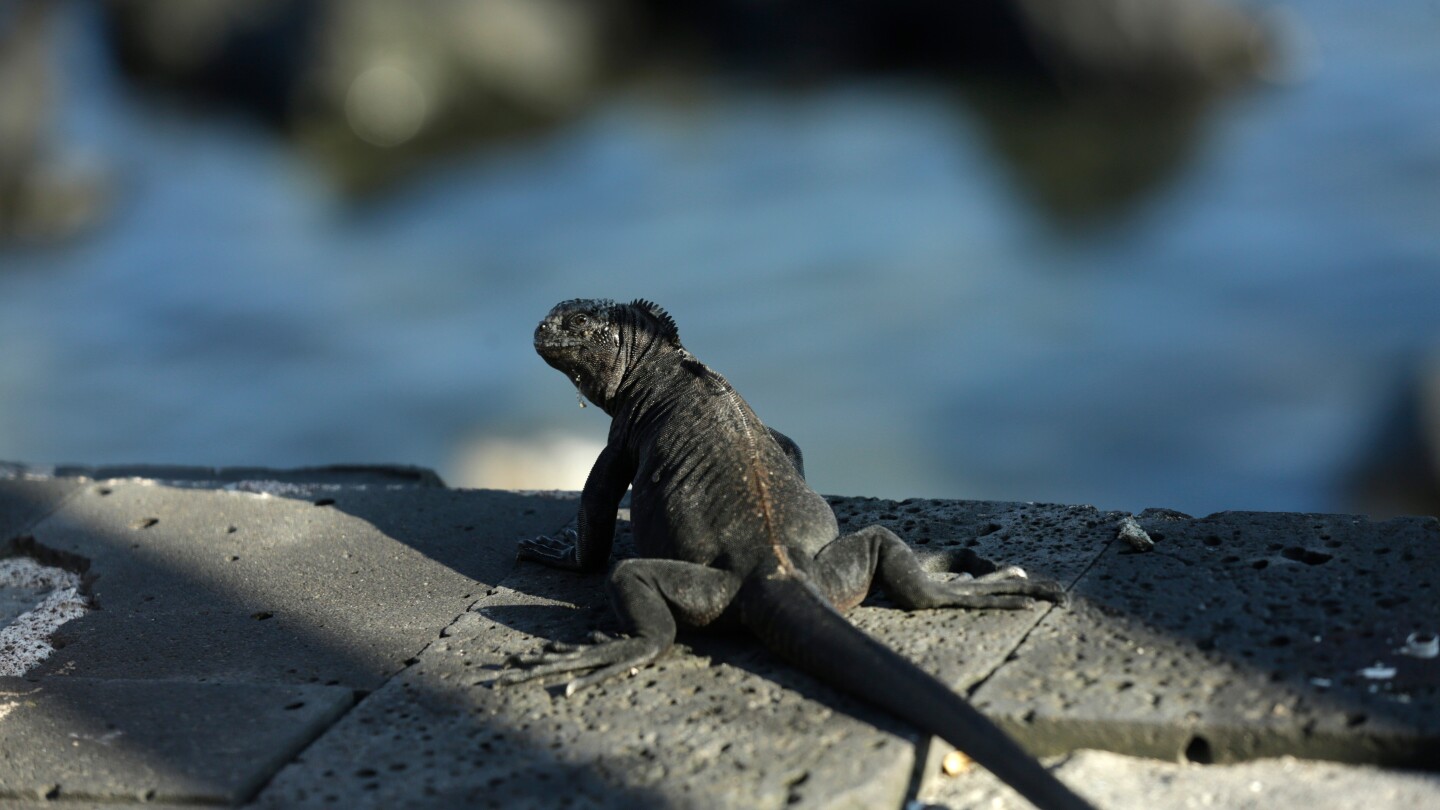
The ongoing Convention on International Trade in Endangered Species of Wild Fauna and Flora (CITES), meeting through Friday in Uzbekistan’s historic city, is considering sweeping trade restrictions for multiple vulnerable species. Proposed protections include complete bans on commerce involving Galapagos Islands iguanas, numerous Latin American tarantula species, and Africa’s distinctive Home’s Hinged-back Tortoise.
Susan Lieberman, Vice President for International Policy at the Wildlife Conservation Society, highlighted the paradigm shift: “The trade dynamics have fundamentally transformed. Consumers now pursue rare reptiles and amphibians through digital marketplaces rather than physical pet shops. Thousands of endangered and illegally obtained animals become available through simple online searches.”
Matt Collis, Senior Director at the International Fund for Animal Welfare, detailed how technological advances have revolutionized trafficking operations: “Explosive growth in online platforms directly connects consumers with global wildlife criminals. In an era where any commodity can be purchased with a click and shipped worldwide within days, no species remains secure from exploitation.”
Recent data reveals particularly concerning trends in Latin America, where an IFAW investigation documented over 100,000 animal seizures and poaching incidents between 2017-2022. Reptiles constitute approximately 60% of trafficked specimens, with birds representing 30% and amphibians exceeding 10%. While regional trade dominates, evidence confirms shipments reaching collectors in Europe, Asia, and the United States.
The United States has emerged as a primary market, importing approximately 90 million live animals annually according to an upcoming Center for Biological Diversity report. This extensive trade occurs despite systematic abuse of CITES permitting processes, where traffickers falsely label wild-caught specimens as captive-bred to circumvent regulations.
Collis emphasized systemic failures: “Countries issue export permits without verifying animal origins, enabling traffickers to launder illegally sourced wildlife. This undermines the entire protective framework established by CITES.”
While conservation organizations advocate for strengthened protections, industry representatives including the United States Association of Reptile Keepers oppose expanded regulations, arguing current measures sufficiently protect wild populations and that captive breeding reduces pressure on natural habitats.
The conference outcomes could establish critical safeguards for numerous species facing extinction risks from combined pressures of illegal trade, habitat destruction, and climate change.