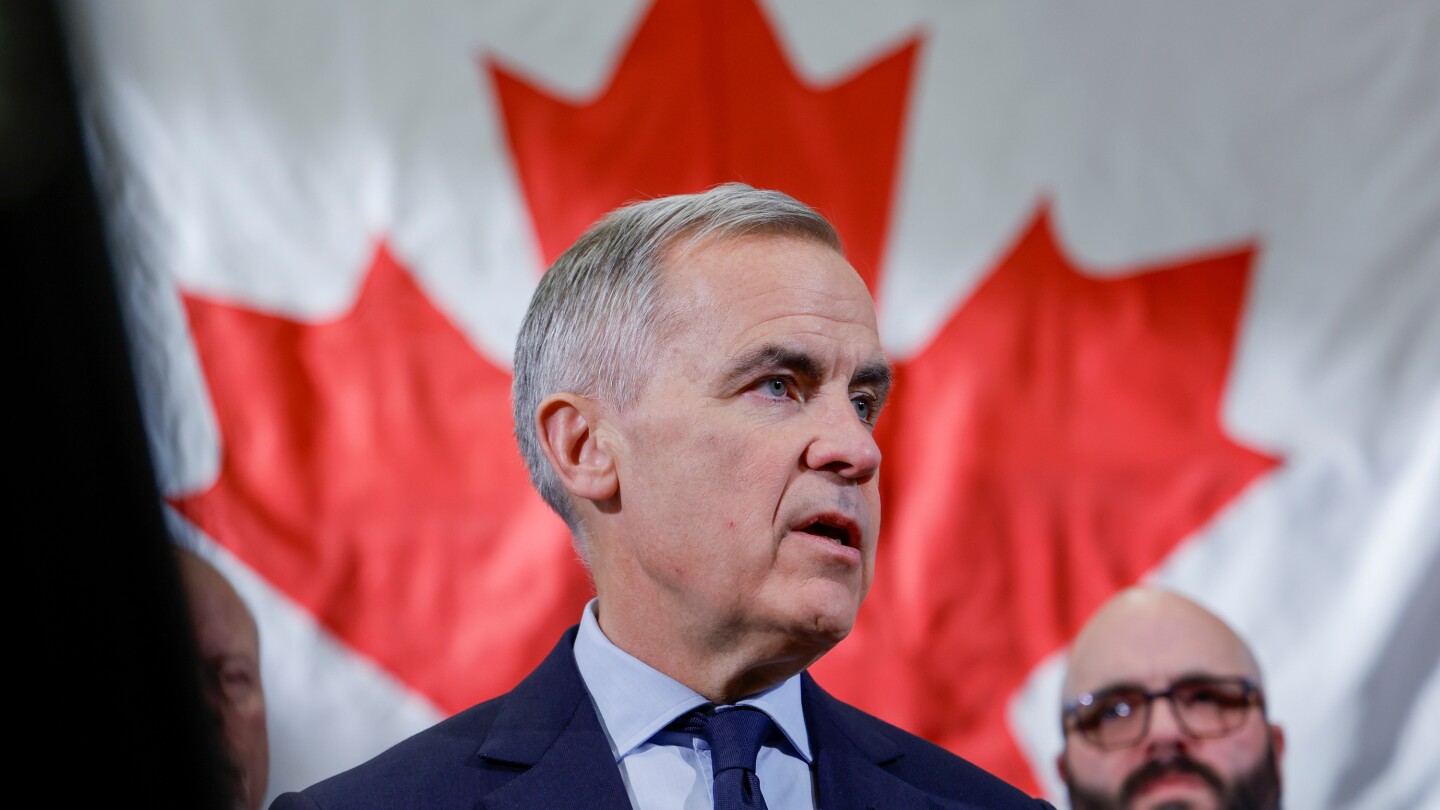
In a significant strategic shift, Canada has become the inaugural non-European Union nation to gain access to the EU’s substantial defense financing mechanism. Prime Minister Mark Carney’s administration confirmed the country’s participation in the Security Action for Europe (SAFE) initiative, a €150 billion ($170 billion) loan program designed to bolster defense capabilities.
This landmark agreement enables Canadian defense contractors to obtain EU-backed financing at favorable rates for military procurement, addressing what officials describe as critical capability shortages. The arrangement also facilitates market expansion for Canada’s defense industry while attracting European investment into Canadian military projects.
Prime Minister Carney characterized the move as part of a broader strategy to diversify Canada’s defense procurement channels and strengthen transatlantic partnerships. His administration has explicitly committed to reducing dependence on United States military suppliers, noting that historically over 70% of Canadian defense capital expenditure has flowed to American contractors.
The political context for this reorientation stems partly from strained relations with the previous U.S. administration. Trade conflicts and provocative statements regarding Canada’s sovereignty created domestic pressure for a more assertive stance toward American policies, contributing to Carney’s electoral success.
Concurrently, Canada is reevaluating its fighter jet acquisition program, with the Swedish Gripen platform emerging as a potential alternative to American-made F-35s. Saab’s proposal includes significant Canadian assembly and maintenance components, aligning with the government’s domestic production priorities.
This development occurs as Canada works toward fulfilling NATO’s defense spending benchmarks by next year, while contrasting with the United Kingdom’s unsuccessful negotiations to join the SAFE program last week over financial disagreements.