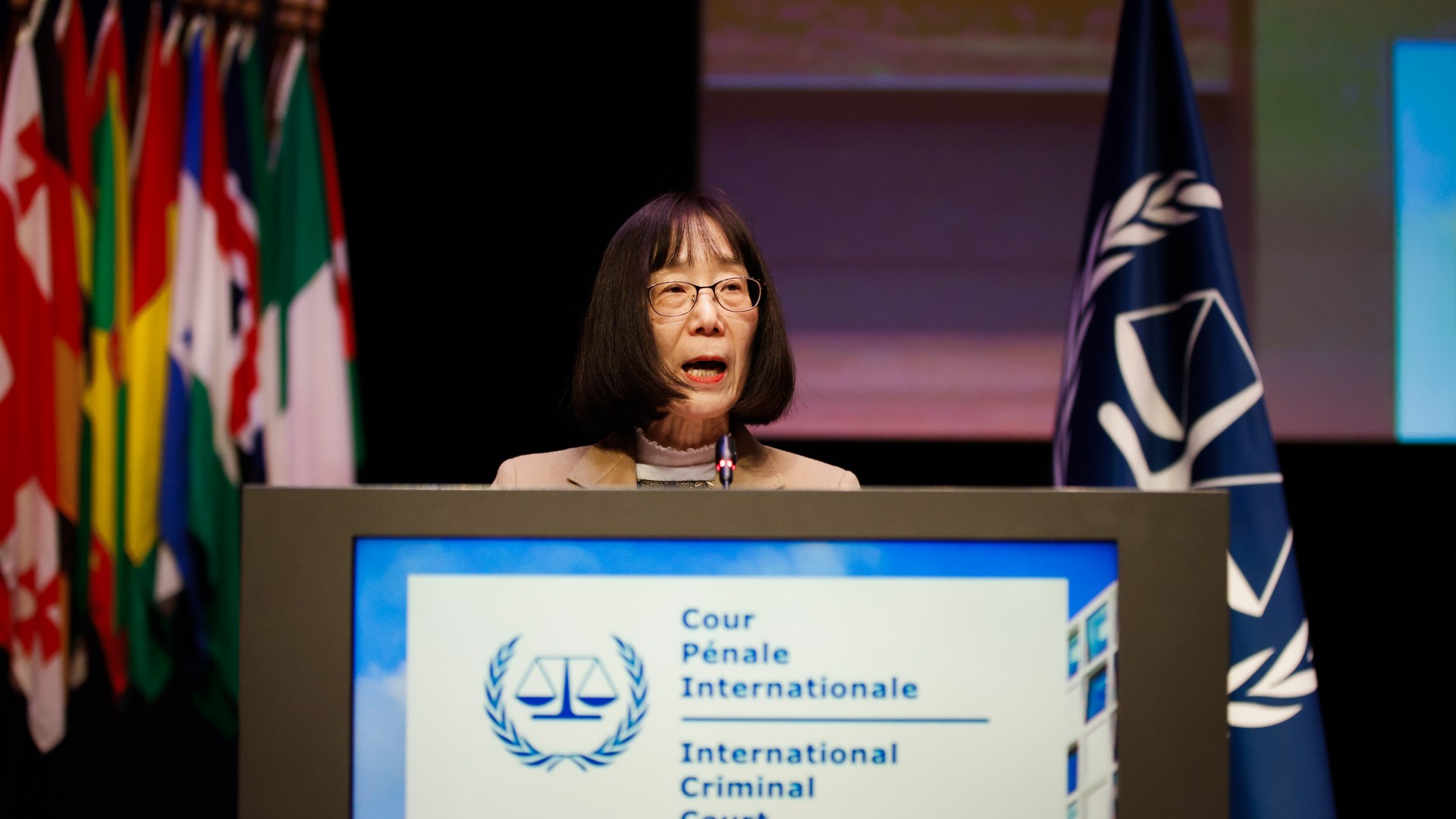
The International Criminal Court (ICC) is deploying confidential defensive strategies to shield its operations from punitive US sanctions, senior officials revealed during the opening session of the Assembly of States Parties in The Hague. This year’s gathering of representatives from 125 member nations unfolds against a backdrop of severe geopolitical pressure, primarily triggered by the court’s investigation into Israeli officials concerning alleged war crimes in Gaza and Palestinian territories.
The Trump administration’s sanctions regime, initiated in February against Chief Prosecutor Karim Khan and expanded in August to target two deputy prosecutors and six judges, has created profound operational challenges. These measures have frozen the officials’ international travel capabilities and severed their access to global financial networks, including within European jurisdictions. ICC President Tomoko Akane characterized the situation as unprecedented, noting that elected officials now share designation lists with terrorists and narcotics traffickers.
President Akane further disclosed that Russian authorities have issued arrest warrants for one-third of the ICC’s judicial bench, including the entire presidency, in retaliation for the court’s probe into alleged Russian war crimes in Ukraine. Despite these coordinated pressures, court leadership maintains that their resolve has strengthened rather than diminished.
Deputy Prosecutor Nazhat Shameem Khan confirmed the Office of the Prosecutor continues its work unimpeded, implementing protective measures whose specifics remain classified to preserve effectiveness. Notably, the court is pursuing technological sovereignty initiatives, including migrating from US-based cloud services provider Microsoft to ensure operational independence.
The absence of European Union intervention through its Blocking Statute mechanism has drawn criticism from human rights organizations. Alexis Deswaef of the International Federation for Human Rights urged EU authorities to activate legal protections and establish financial systems independent of US networks to safeguard international justice mechanisms.