LONDON — British Prime Minister Keir Starmer has publicly supported his Treasury chief amid mounting opposition accusations regarding the government’s handling of pre-budget financial communications. The controversy centers on Chancellor of the Exchequer Rachel Reeves’ statements preceding last week’s fiscal announcement, which opposition parties claim misrepresented the nation’s economic outlook.
Three weeks prior to unveiling her budget, Reeves indicated potential income tax increases that would have contradicted a key Labour election pledge. However, following resistance from within her own party and more favorable-than-anticipated public finance reports, the Chancellor altered course, implementing smaller revenue-generation measures instead.
Conservative and Scottish National Party politicians have formally requested the Financial Conduct Authority to examine Reeves’ pre-budget remarks and media disclosures. Their allegations suggest the Chancellor possessed advance knowledge of the Office for Budget Responsibility’s improved fiscal forecast while publicly discussing economic challenges. Reform U.K. leader Nigel Farage has additionally urged the government’s standards advisor to investigate the matter.
Reeves maintains her complete transparency, explaining that the OBR had initially projected a £16 billion ($21 billion) revenue shortfall due to downgraded productivity forecasts—a significantly smaller deficit than previously reported. The Chancellor emphasized she accurately communicated that the OBR assessment would necessitate additional public contributions.
The current administration, which achieved a decisive electoral victory in July 2024 after campaigning on a platform of no income tax increases for working citizens, has implemented £26 billion ($34 billion) in tax measures primarily to establish financial buffers against potential economic volatility.
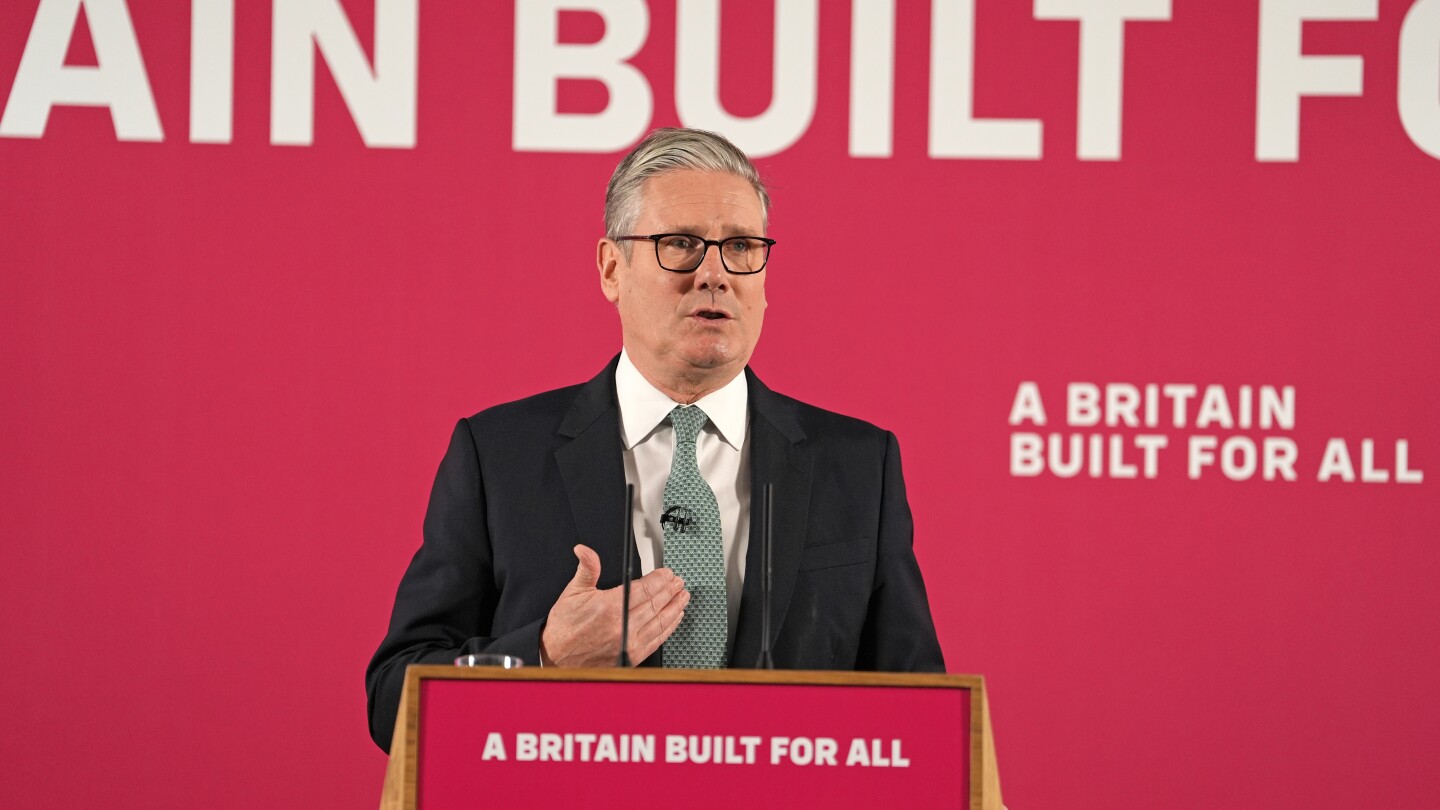
Prime Minister Starmer, speaking at a London community center, defended these decisions by highlighting the “total crisis” in public finances and services inherited after fourteen years of Conservative governance. He framed the tax adjustments, minimum wage increases, and public service investments as necessary steps to alleviate child poverty and redirect the nation from economic decline.
The government now advances two potentially contentious initiatives: reducing Britain’s expanding welfare expenditure and pursuing closer ties with the European Union. The former risks alienating Labour constituents, while the latter may provoke pro-Brexit Conservative and Reform politicians. Starmer acknowledged that the existing EU exit agreement has “significantly hurt our economy,” asserting that closer European relations remain essential for Britain’s economic future.