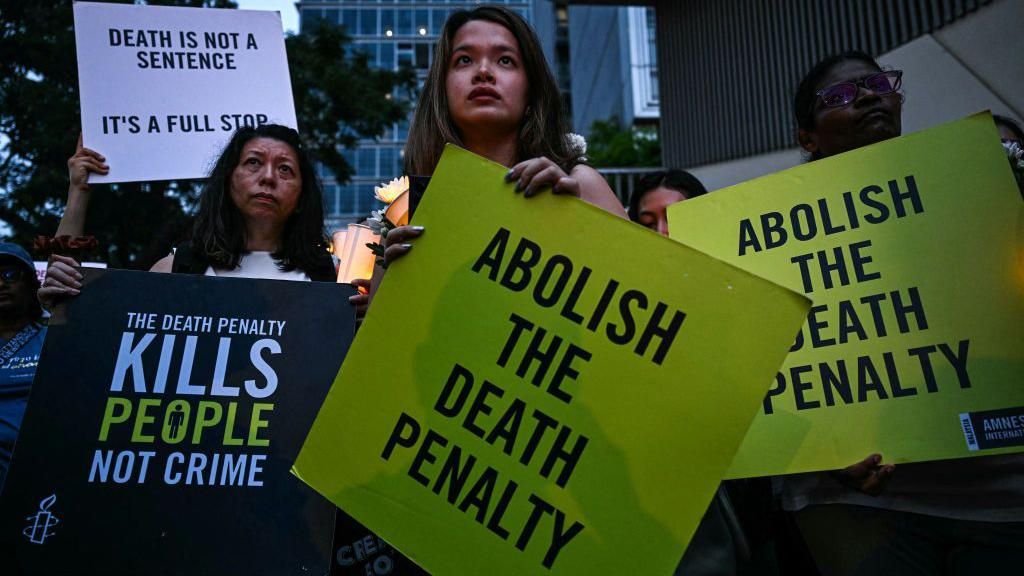
Singapore has carried out three executions for drug-related offenses within a single week, elevating the nation’s total number of state-sanctioned deaths to 17 this year—the highest figure recorded since 2003. The executions occurred just days before a significant constitutional challenge questioning the legality of the mandatory death penalty for drug crimes is scheduled to be heard.
Under Singapore’s stringent anti-narcotics legislation, individuals found guilty of trafficking more than 15 grams of diamorphine, 30 grams of cocaine, 250 grams of methamphetamine, or 500 grams of cannabis face compulsory capital punishment. The government defends these measures as essential deterrents against drug-related crimes, which remain a critical concern across Southeast Asia.
A coalition of seven activists has mounted a legal challenge arguing that the mandatory death penalty violates constitutional guarantees to life and equal protection. They contend that the current framework contradicts the constitutional provision that “no person shall be deprived of his life or personal liberty save in accordance with law.”
Among those executed was Saminathan Selvaraju, a Malaysian logistics driver convicted in 2013 of transporting 301.6 grams of heroin. Saminathan maintained his innocence, claiming that multiple drivers had access to the company vehicle used in the offense and that immigration documents bearing his signature were forged. His defense was rejected by the court, and his plea for clemency was denied.
Singapore’s use of the death penalty has drawn international criticism. The European Union delegation in Singapore issued a statement condemning the executions, emphasizing that drug offenses do not meet the international legal threshold for “most serious crimes” warranting capital punishment. Activist groups, including the Transformative Justice Collective, have labeled Singapore’s policy “barbaric” and out of step with global norms.
Despite external pressure, the Singaporean government remains resolute. Home Affairs Minister K. Shanmugam has asserted that abolishing the death penalty could lead to increased drug-related violence, harm, and fatalities, particularly among vulnerable populations. A 2023 government-sponsored survey indicated that 69% of Singaporean residents support capital punishment for major drug trafficking offenses.
The constitutional challenge, set for hearing imminently, represents a pivotal moment in the ongoing debate over justice, human rights, and drug policy in one of Asia’s most developed—and strictest—legal jurisdictions.