In a critical meeting with Egypt’s intelligence chief in Cairo, Hamas leadership has formally reaffirmed its commitment to implementing the initial phase of the Gaza ceasefire agreement. This diplomatic engagement occurred against a backdrop of escalating violence that threatens to derail the fragile truce brokered last month.
The Palestinian militant group emphasized the urgent need for establishing transparent monitoring mechanisms to document violations and ensure immediate corrective actions. The discussions specifically addressed the complex situation of Hamas fighters positioned within tunnel networks in Israeli-controlled sectors of Rafah, alongside detailed negotiations regarding the second phase of the peace agreement.
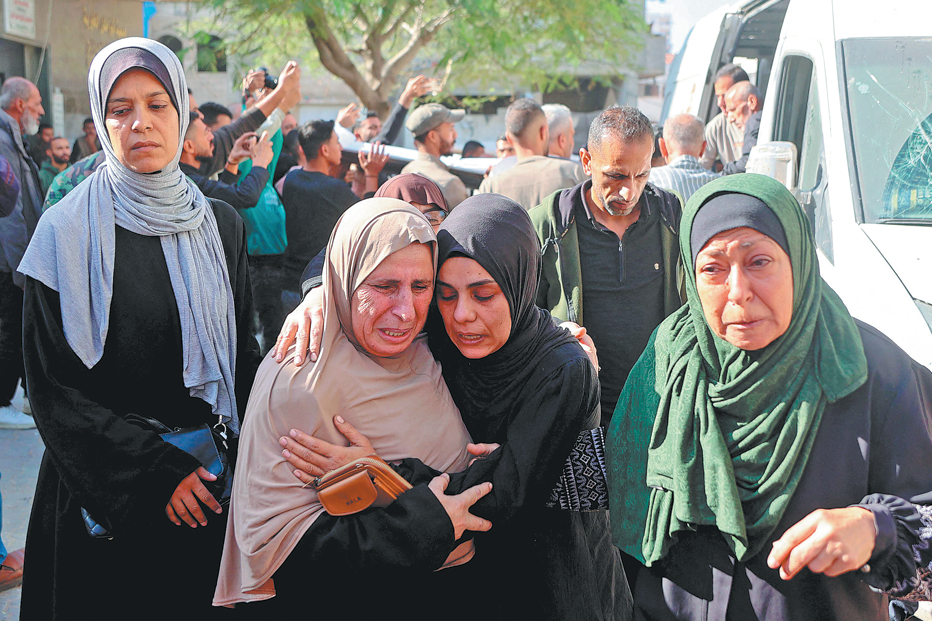
Despite the ceasefire officially taking effect on October 10, both conflicting parties have exchanged accusations of violations. Recent Israeli airstrikes across the Gaza Strip resulted in at least 24 Palestinian fatalities, including children, according to local reports. Israel maintains these operations targeted and eliminated five senior Hamas operatives.
The United Nations has intensified its calls for upholding the peace agreement, with Secretary-General Antonio Guterres emphasizing during the G20 summit in Johannesburg that ‘We need peace in Gaza: By upholding the ceasefire and fully implementing the commitments of the peace agreement.’
From an international legal perspective, Hadi Rahmat Purnama, Assistant Professor of International Law at Universitas Indonesia, clarified that ceasefires can be either voluntary or imposed through UN Security Council resolutions under Chapter VII of the UN Charter. He noted that violation of an agreed truce enables resumption of hostilities without constituting perfidy, provided proper warning is given according to the agreement’s terms.
Tragically, UNICEF reports indicate at least 67 children have lost their lives in conflict-related incidents since the ceasefire began, maintaining an alarming average of two daily fatalities. World Health Organization representative Richard Peeperkorn confirmed that ‘although there’s a ceasefire, people still get killed’ in the devastated enclave.