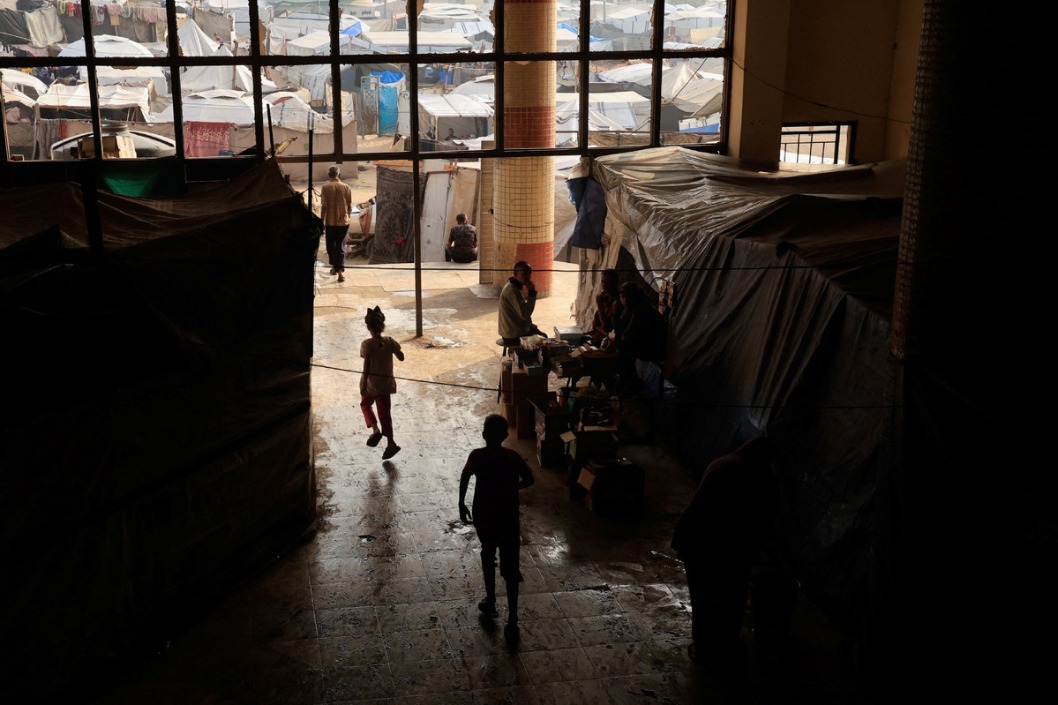
Despite a ceasefire agreement enacted on October 10, 2025, the Gaza Strip continues to descend into a severe humanitarian emergency. Two months into the truce between Israel and Hamas, approximately two million residents remain trapped in dire conditions, primarily living in temporary tents and shelters with no substantial improvement in basic living standards.
Critical infrastructure continues to deteriorate at an alarming rate. Water and sewage systems are failing, massive piles of waste and rubble block access routes, and municipal services are collapsing due to an extreme fuel shortage. The Union of Municipalities in Gaza issued a stark warning that Israeli authorities persist in blocking fuel deliveries, having allowed only a five-day supply since the ceasefire began. This restriction severely impedes road clearing, debris removal, and support for displaced families.
The healthcare system is operating with the same limited resources available during active conflict. Medical facilities face critical shortages of medicines, equipment, and specialized staff. According to Bassam Zaqout, Director of Medical Relief in Gaza, no reconstruction of damaged health facilities has occurred. Israeli restrictions on medical delegations are exacerbating shortages of personnel, pharmaceuticals, and laboratory tools. Health authorities specifically warn that 4,000 glaucoma patients risk permanent vision loss without urgent supplies and specialized care.
This unfolding humanitarian disaster occurs alongside renewed violence. Palestinian security sources reported Israeli shelling and airstrikes in central and southern Gaza, including near the Bureij refugee camp and east of Rafah. Health officials report three fatalities in the past 24 hours, bringing the post-ceasefire death toll to 357, with 908 wounded. Since the conflict’s escalation in October 2023, the cumulative casualties stand at 70,103 killed and 170,985 wounded.
The Hamas-run government media office has accused Israel of 591 ceasefire violations, describing these actions as flagrant breaches of international humanitarian law. They have called for intervention from the United States, international mediators, and the UN Security Council.
Meanwhile, Gaza’s Civil Defense Authority faces a grim task with approximately 10,000 bodies believed buried beneath destroyed structures. With only one excavator available for recovery operations, spokesperson Mahmoud Basal urgently appealed for additional heavy equipment to retrieve the deceased amid extremely challenging conditions.