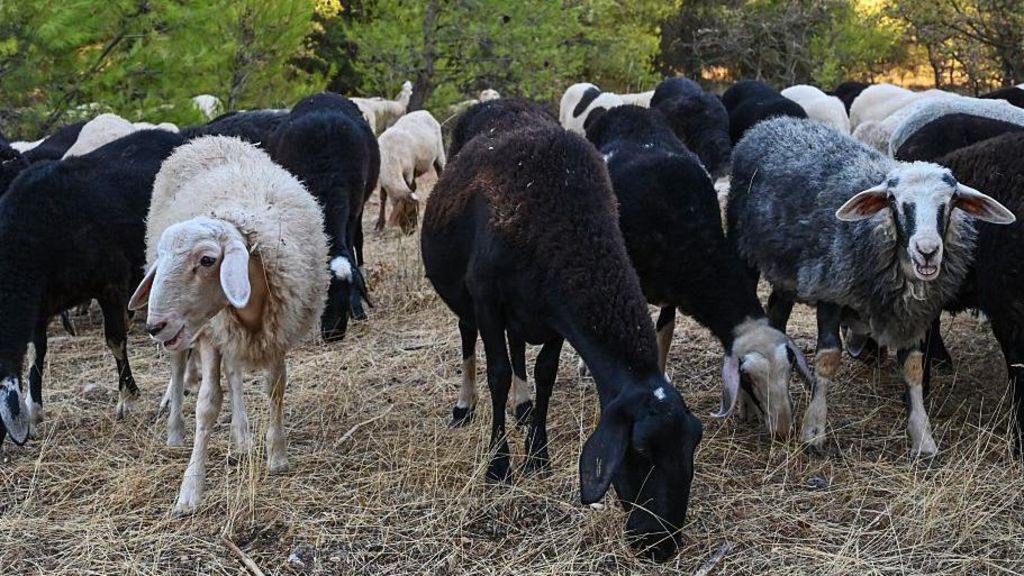
Greece’s prestigious feta cheese industry is confronting a severe crisis as a devastating sheep and goat pox outbreak forces the mass culling of hundreds of thousands of animals across the country. The viral disease, first detected in northern Greece in August 2024, has rapidly spread through multiple regions, resulting in the preventive slaughter of approximately 417,000 sheep and goats—representing 4-5% of the nation’s total flock.
The economic impact extends far beyond livestock losses, threatening the core of Greece’s iconic dairy export. With 80% of Greek sheep and goat milk dedicated to feta production—a Protected Designation of Origin product within the EU—the shortage is already affecting small dairies’ ability to source milk. While consumer prices remain stable for now, experts warn that market shortages and increased production costs are imminent if the outbreak persists.
Farmers like Anastasia Siourtou of Karditsa describe both financial devastation and emotional trauma after veterinary officials culled her entire flock of 650 sheep. ‘I felt that I failed to protect them,’ she recounts, highlighting the personal toll beyond economic ruin. Similarly, Tassos Manakas, who lost 873 animals, describes the profound emptiness of his now-silent farm.
The government response has faced significant criticism for delayed action and inadequate compensation. A National Scientific Committee for disease management wasn’t established until October 2025—fourteen months after the initial detection—while the state veterinary service remains severely understaffed. Affected farmers receive between €132-220 per animal, amounts they claim fall far short of actual losses.
The crisis has sparked debate about vaccination strategies, with farmers demanding mass immunization similar to approaches in Bulgaria and Turkey. However, Greek authorities resist this solution, fearing that vaccination could lead to Greece being classified as endemic for the disease, potentially triggering export restrictions on dairy products. Complicating matters, officials suspect up to one million illegal vaccinations may have been administered, distorting the epidemiological picture.
With feta exports valued at €785 million annually—including €520 million to EU nations and €90 million to the UK—the stakes for Greece’s agricultural economy couldn’t be higher. As the industry grapples with this unprecedented challenge, farmers face the difficult choice between implementing emergency measures or risking permanent damage to Greece’s culinary heritage.