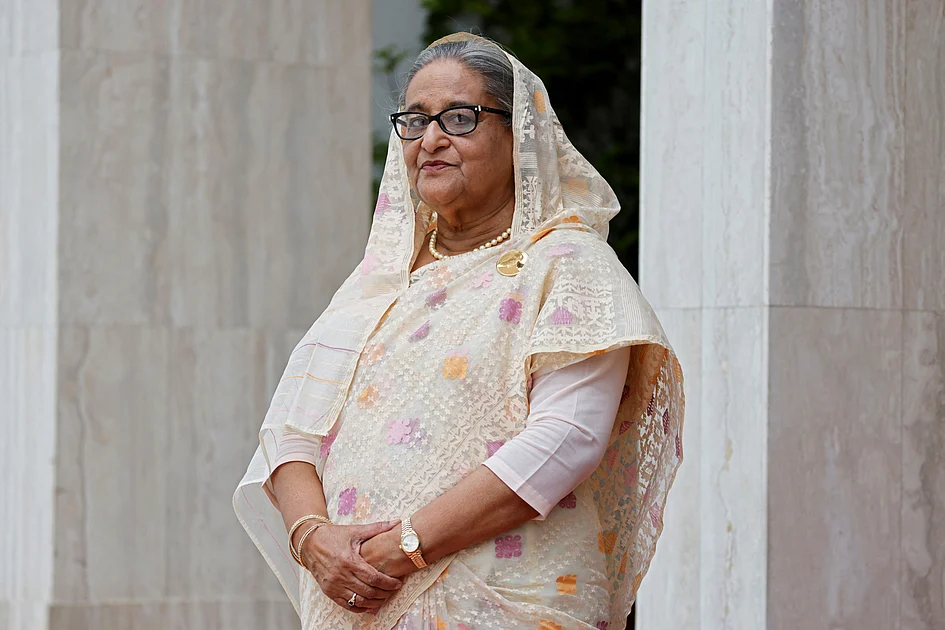
A government commission investigating Bangladesh’s deadly 2009 military mutiny has concluded that former Prime Minister Sheikh Hasina directly ordered the killings of 74 people during the two-day revolt. The findings, released on Sunday, represent a dramatic development in the case that has haunted the nation for sixteen years.
The investigation commission, established by the current interim government led by Muhammad Yunus, determined that Hasina’s administration was directly involved in the Bangladesh Rifles (BDR) uprising that resulted in the massacre of military officers. According to the commission’s report, former parliament member Fazle Noor Taposh acted as principal coordinator with Hasina providing the ‘green signal’ to execute the killings.
Commission chief A.L.M. Fazlur Rahman presented evidence suggesting foreign involvement in destabilizing Bangladesh, specifically implicating India in efforts to ‘weaken the Bangladesh Army’ following the carnage. The report contradicts previous investigations conducted during Hasina’s tenure that attributed the violence to soldiers’ grievances over pay and treatment.
The 2009 mutiny began in Dhaka and rapidly spread nationwide, destabilizing Hasina’s government just weeks after she assumed office. The former prime minister, now 78, has sought refuge in India despite court orders demanding her return to Bangladesh. The commission’s findings have been welcomed by current leader Yunus, who stated the nation had long awaited truth about the motivations behind the killings.