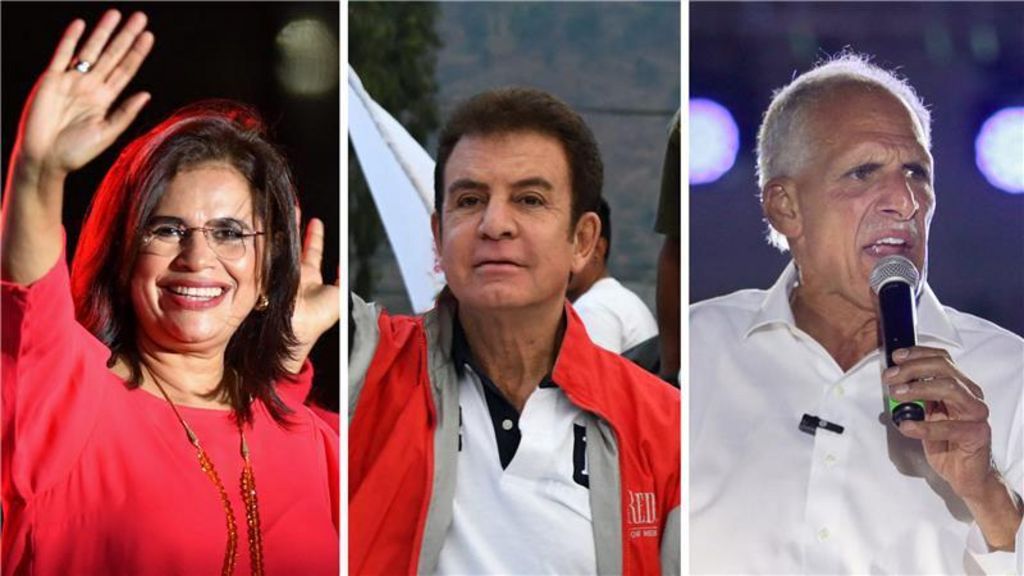
Honduras is conducting pivotal general elections amidst unprecedented external pressure from former U.S. President Donald Trump, who has threatened to sever financial aid should his preferred candidate fail to secure victory. The electoral landscape features five presidential contenders, though the race has effectively narrowed to three principal candidates: leftist Libre Party’s former defense minister Rixi Moncada, centrist Liberal TV host Salvador Nasralla, and right-wing National Party businessman Nasry “Tito” Asfura.
Trump has openly endorsed Asfura while issuing stark warnings on his Truth Social platform. “If he doesn’t win, the United States will not be throwing good money after bad,” Trump declared, adding that supporting the wrong leadership would yield “catastrophic results.” This intervention prompted sharp criticism from Moncada, who labeled Trump’s statements “totally interventionist” and accused him of meddling in Honduras’ sovereign affairs.
The financial stakes are substantial. According to State Department records, the U.S. provided over $193 million to Honduras in the previous fiscal year, with $102 million allocated this year despite already-implemented aid reductions. Congressional data indicates the Trump administration has previously cut $167 million in economic and governance assistance earmarked for 2024-2025.
Outgoing President Xiomara Castro, Honduras’ first female leader who is constitutionally barred from reelection, has endorsed Moncada as her successor. The 60-year-old lawyer has campaigned on protecting national resources from “21st-century filibusters who want to privatise everything” and combating systemic corruption.
Asfura, former mayor of Tegucigalpa, has promised to foster “development and opportunities for everyone” while facilitating foreign investment. However, his party remains tainted by recent corruption scandals, including the 45-year U.S. drug trafficking sentence imposed on former President Juan Orlando Hernández. Asfura has attempted to distance himself from his predecessor, insisting the party bears no responsibility for Hernández’s “personal actions.”
Current frontrunner Nasralla, making his fourth presidential bid, maintains that the 2017 election was stolen through fraud orchestrated by Hernández—though no irregularities were confirmed in partial recounts. The 72-year-old centrist has pledged to establish “an open economy” and sever ties with China and Venezuela if elected.
These developments occur against escalating regional tensions. Trump recently declared Venezuela’s airspace “closed” despite lacking authority to enforce such measures, while U.S. military operations against alleged drug trafficking vessels have intensified.
With polls showing 34% of voters undecided and all parties already alleging potential electoral fraud, National Electoral Council President Ana Paola Hall has urgently warned against “fanning the flames of confrontation or violence” as citizens cast ballots during the 10-hour voting window.