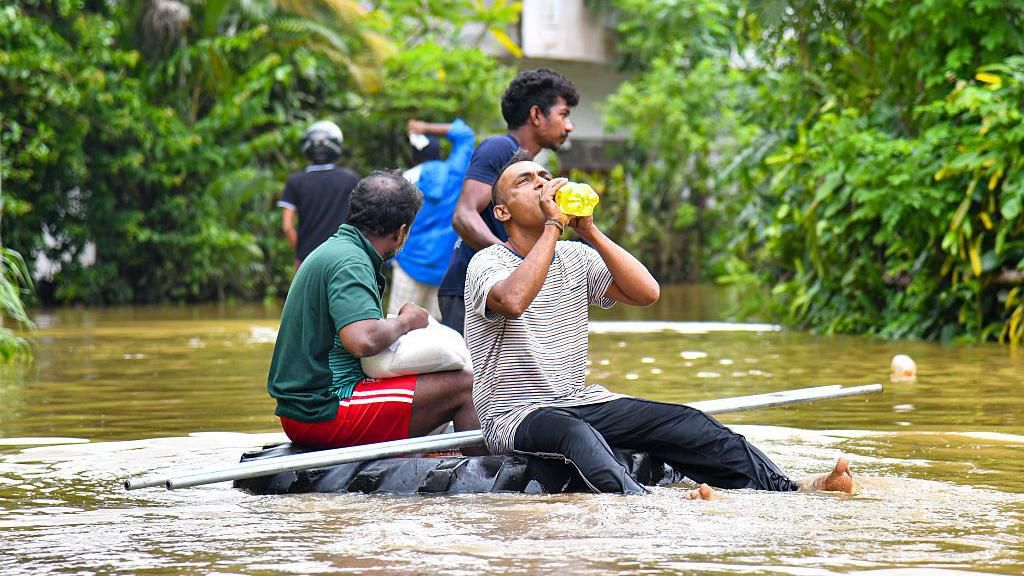
Sri Lanka faces a catastrophic humanitarian crisis as the aftermath of Cyclone Ditwah claims 159 lives with over 200 individuals still unaccounted for, marking one of the nation’s most severe weather disasters in recent history. According to the Disaster Management Centre, the devastating floods and mudslides have obliterated more than 20,000 residential structures, forcing approximately 108,000 citizens to seek refuge in government-operated temporary shelters.
The widespread destruction has left nearly one-third of the country without essential utilities including electricity and clean running water, prompting officials to declare a state of emergency. Emergency evacuation protocols have been activated in multiple regions as water levels in the Kelani River continue to surge at alarming rates.
Kandy and Badulla districts report the highest concentration of fatalities, with numerous communities remaining completely isolated due to impassable roads blocked by landslides. Saman Kumara, a resident of Maspanna village in Badulla, described the desperate situation: ‘We lost two villagers… others are sheltering in the only standing structures. We’re trapped with diminishing supplies of food and clean water.’
Tragic incidents include the drowning of 11 elderly residents at a care facility in Kurunegala district, while dramatic rescue operations saved 69 passengers from a submerged bus in Anuradhapura. Survivor WM Shantha recounted the harrowing experience: ‘The navy helped us reach a building roof that partially collapsed during the ordeal.’
The Sri Lankan government has formally requested international assistance and is appealing to overseas citizens for financial contributions to support relief efforts. Meteorologists note that while Cyclone Ditwah has moved away from the island nation after making landfall on Friday, the country continues to experience unprecedented monsoon conditions that exceed typical seasonal patterns.
This disaster represents the most severe flooding event since the 2003 catastrophe that claimed 254 lives, coinciding with widespread flooding across Southeast Asia affecting millions in Indonesia, Malaysia, and Thailand.